How to Start Your Career as a Diesel Mechanic

How to Start Your Career as a Diesel Mechanic
Introduction
The career path of a diesel mechanic is not only rewarding but also crucial to the functioning of various industries. As the demand for skilled labor increases, diesel mechanics find themselves in a position of growing importance. This article will guide you through the necessary steps to embark on this career journey and equip you with pertinent information about the industry.
Diesel mechanics play a pivotal role in maintaining and repairing diesel engines found in buses, trucks, and other types of heavy vehicles. These engines are known for their power and efficiency, appealing to industries that rely on heavy machinery. The growing reliance on reliable engines underlines the need for proficient diesel mechanics who can ensure their optimal performance.
What Education and Training Do You Need?
Starting your journey as a diesel mechanic begins with a strong foundation in relevant high school courses. Mathematics is crucial as it assists in problem-solving and understanding mechanical functions. Additionally, courses like auto shop offer practical experience and an introduction to basic mechanics, preparing students for more advanced studies.
Developing essential skills such as critical thinking and attention to detail is vital for aspiring diesel mechanics. These skills are necessary when diagnosing engine problems and implementing solutions. Moreover, proficiency in English is important for understanding manuals and communicating effectively with clients and colleagues.
Diesel Mechanic Certification Programs
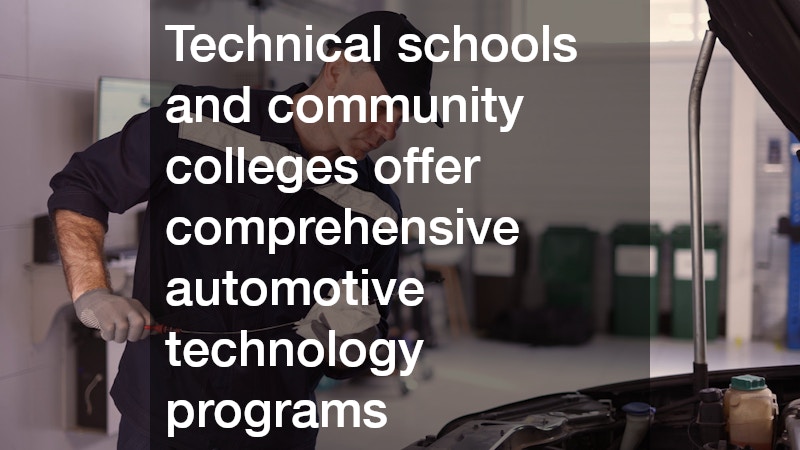
Technical schools and community colleges offer comprehensive automotive technology programs that cater specifically to aspiring diesel mechanics. These programs provide a combination of theoretical knowledge and practical skills needed in the industry. Certification from a reputable institution significantly enhances employment prospects.
Students enrolled in these programs learn about engine repair, diagnostics, and maintenance. The curriculum often includes hands-on training sessions where students practice on real engines. Such an educational background is critical for those aiming to excel in the diesel mechanics field.
Apprenticeships and On-the-Job Training
Apprenticeships are instrumental in providing real-world experience to budding diesel mechanics. These programs allow participants to work alongside experienced professionals, gaining insights that cannot be taught in a classroom. On-the-job training reinforces theoretical learning with practical application.
Through apprenticeships, individuals become familiar with the day-to-day responsibilities of a diesel mechanic. Exposure to a variety of mechanical problems enhances their problem-solving skills. Moreover, this hands-on experience builds confidence and competence, essential qualities for a successful mechanic.
What Are the Essential Tools and Equipment?
Every aspiring diesel mechanic should begin by acquiring a basic toolkit that includes essential hand tools and safety equipment. Wrenches, screwdrivers, and pliers form the backbone of any mechanic’s tool collection. It’s also crucial to have reliable safety gear, such as gloves and goggles, to ensure a safe working environment.
Investing in good-quality tools at the onset is advisable, as they will be used frequently and need to withstand extensive use. A well-equipped toolkit allows mechanics to perform a variety of tasks effectively. Over time, as skills develop, additional tools can be added to meet more complex mechanical needs.
Investing in Quality Maintenance Equipment
Investing in quality maintenance equipment is a cornerstone of providing effective service as a diesel mechanic. Reliable equipment not only ensures the job is done correctly but also upholds the trust of clients. Mechanics need to carefully choose maintenance tools that offer durability and precision.
Given the strain on maintenance equipment during routine tasks, selecting high-quality options reduces the risk of downtime due to equipment failure. This strategic investment facilitates efficiency and productivity in the workplace. Furthermore, having robust equipment at hand instills a sense of professionalism in the mechanic’s service.
How Do You Build a Successful Career?
Continuing education is a vital aspect of sustaining and enhancing a career as a diesel mechanic. It helps professionals keep abreast of the latest technological advancements and industry trends. Pursuing specializations further allows mechanics to tailor their expertise to specific sectors, creating niche opportunities.
Specializations can include areas such as heavy machinery repair, electronic diagnostics, and fuel systems management. Diesel mechanics who choose to specialize often enjoy access to higher-paying roles and unique job opportunities. Specialized knowledge showcases a mechanic’s dedication and enhances their marketability in competitive job markets.
Networking and Professional Associations
Networking is a crucial component of career advancement in the field of diesel mechanics. Building a strong professional network opens doors to job opportunities, mentorships, and career collaborations. Attending industry events and participating in forums are effective ways to expand and maintain a professional network.
Joining professional associations further provides valuable resources and ongoing education opportunities. These associations offer access to industry publications, certification courses, and exclusive workshops. Membership in professional groups not only keeps mechanics informed but also enhances their credibility within the industry.
Job Opportunities and Career Paths
Various industries and sectors require the expertise of diesel mechanics, providing diverse job opportunities. Mechanics can find employment in sectors such as transportation, construction, agriculture, and logistics. Each industry offers unique roles, from maintenance to supervisory positions, catering to different career ambitions.
Pursuing a career as a diesel mechanic allows individuals to choose between roles that match their interests and skill levels. From working in large trucking companies to small automotive repair shops, the options are plentiful. Many mechanics also opt for self-employment, opening their own repair shops or consultancy services.
The career trajectory for diesel mechanics can also lead to roles in education, training, and management.
Conclusion
Starting a career as a diesel mechanic is both a rewarding and strategic choice given the ongoing demand for skilled professionals in the industry. The path involves comprehensive education, hands-on training, and continuous professional development to remain competitive. Equipped with the right tools and a commitment to learning, aspiring diesel mechanics can forge successful careers in this vibrant field.
Possessing the right mix of skills, knowledge, and experience is paramount for excelling as a diesel mechanic. With the industry’s promising growth and vast job opportunities, motivated individuals can look forward to a stable and prosperous career.