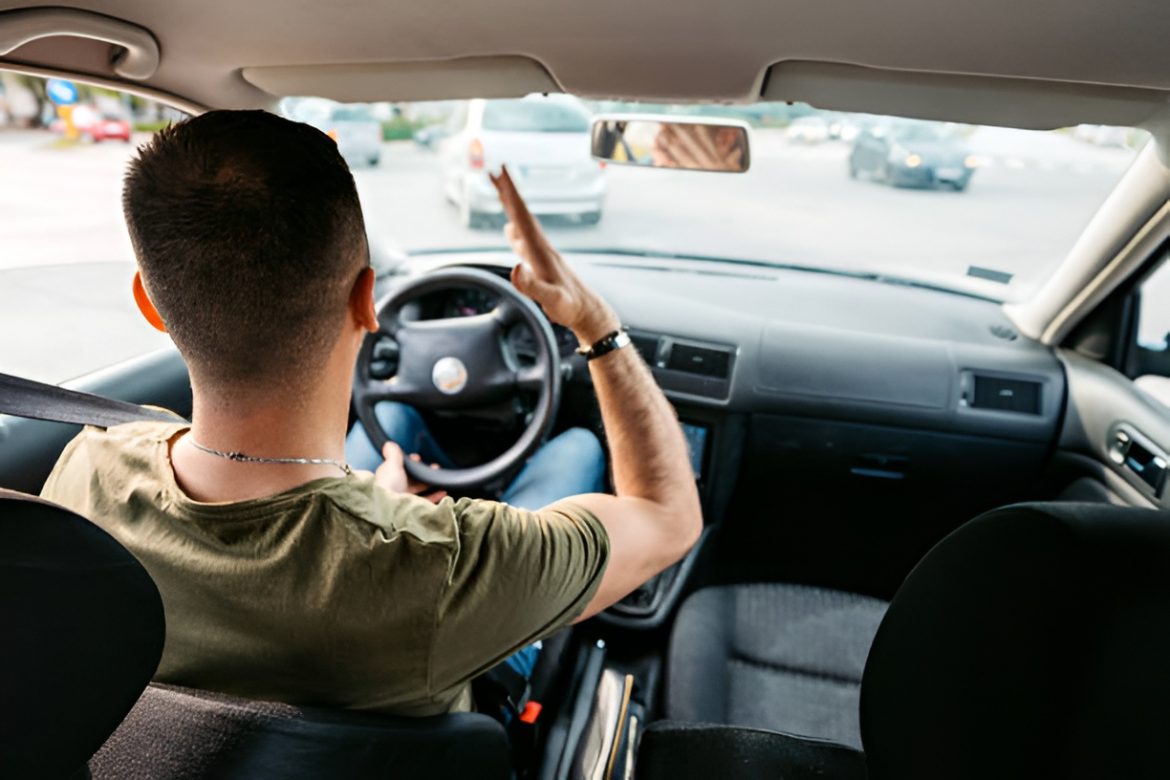
Why Is My Car Jerking When I Drive? Common Problems, Diagnoses, and Solutions

- Jerking is a warning sign: Sudden movements while driving—whether during acceleration, braking, or gear shifts—indicate disruptions in power delivery and should not be ignored.
- Multiple potential causes: Common culprits include fuel system problems, ignition system issues, transmission faults, sensor malfunctions, air intake or vacuum leaks, and worn engine components.
- Symptoms vary by scenario: Jerking can occur at low speeds, high speeds, only during acceleration, braking, or when the engine is cold/hot, helping identify the underlying issue.
- DIY troubleshooting is possible: Basic checks like inspecting spark plugs, fuel filters, fluids, vacuum hoses, and using an OBD-II scanner can help pinpoint problems before visiting a mechanic.
- Professional diagnosis may be needed: Persistent jerking, warning lights, unusual noises, or jerks at high speeds require a qualified mechanic to prevent further damage.
- Prevention is key: Regular maintenance, careful driving habits, and monitoring technology (dashboard lights, OBD-II scanners, routine inspections) significantly reduce the risk of jerking and improve vehicle longevity.
Driving should be a smooth and stress-free experience, but when your car starts jerking unexpectedly, it can be alarming. A jerking car can shake confidence, reduce fuel efficiency, and even point to serious mechanical problems. If you’ve ever asked yourself, “Why is my car jerking when I drive?” this guide will walk you through the most common causes, how to diagnose them, and practical solutions to get your car back to smooth performance.
Understanding the root cause of jerking is the first step to preventing further damage and ensuring safe driving. Let’s break it down.
Understanding Car Jerking
What Does It Mean When a Car Jerks?
Car jerking is the sudden, unexpected movement of your vehicle while accelerating, decelerating, or even maintaining a steady speed. Essentially, it’s a sign that something is disrupting the smooth transfer of power from your engine to the wheels.
Jerking can range from a mild shudder to a noticeable jolt that shakes the entire vehicle. It can happen under various conditions:
- Low speeds: Often noticeable when starting from a stop or in stop-and-go traffic.
- High speeds: Jerks may occur on the highway, sometimes intermittently, affecting stability.
- During gear shifts: More common in automatic transmissions, where jerking can indicate issues with fluid, clutches, or sensors.
Identifying the exact scenario in which the jerking occurs helps pinpoint whether the issue is related to fuel delivery, engine components, transmission, or another system.
Is Car Jerking Dangerous?
While a jerking car might seem like a minor annoyance, ignoring it can lead to serious consequences:
- Increased engine wear: Frequent jerking puts extra stress on pistons, valves, and engine mounts.
- Transmission damage: Jerking during gear changes can indicate clutch or band problems that worsen over time.
- Reduced braking and handling: A car that jerks unpredictably can affect your control during critical moments.
- Poor fuel efficiency: Irregular combustion caused by misfires or faulty sensors wastes fuel.
Even seemingly minor jerks should not be dismissed. Early diagnosis can prevent costly repairs and ensure your safety on the road.
Common Causes of Car Jerking While Driving

Fuel System Problems
Your engine requires a precise mix of fuel and air to operate efficiently. Any disruption in the fuel system can cause jerking.
Common fuel system issues:
- Clogged fuel filter: A blocked filter restricts fuel flow, causing hesitation during acceleration.
- Dirty fuel injectors: If injectors spray fuel unevenly, the engine may misfire, producing a jerking sensation.
- Low-quality fuel: Contaminated or poor-grade fuel affects combustion, leading to jerks and sputters.
Signs of fuel-related jerking:
- Jerking occurs primarily during acceleration
- Engine sputters at high speeds
- Noticeable drop in fuel efficiency
Possible solutions:
- Replace clogged fuel filters as part of routine maintenance
- Clean or replace dirty fuel injectors
- Use high-quality fuel and periodically add fuel system cleaner
Ignition System Issues
The ignition system ensures that spark plugs fire at the right time for smooth engine operation. Malfunctioning ignition components often result in jerking.
Signs of ignition problems:
- Jerking under load or during acceleration
- Engine misfires
- Difficulty starting the vehicle
Components to check:
- Spark plugs and ignition wires
- Ignition coils
- Distributor (for older vehicles)
DIY checks:
- Inspect spark plugs for wear, carbon buildup, or gaps
- Replace faulty spark plugs and wires if necessary
- Listen for unusual engine sounds during acceleration, such as backfiring or popping
Transmission Problems
Both automatic and manual transmissions can cause jerking if they’re malfunctioning. Transmission-related jerks often occur during gear changes.
Common transmission issues:
- Low or dirty transmission fluid
- Worn transmission bands or clutches
- Faulty torque converter
- Transmission control module errors
Symptoms of transmission-related jerking:
- Jerking mostly occurs during gear shifts
- Delayed or rough engagement of gears
- Burning smell from transmission fluid
Solutions:
- Check and replace transmission fluid regularly
- Have a mechanic inspect clutches, bands, and torque converters
- Update or repair the transmission control module if indicated
Engine and Sensor Issues
Modern engines rely heavily on sensors to maintain proper performance. Faulty sensors can miscommunicate with the engine control unit (ECU), causing jerking.
Key sensors to check:
- Oxygen sensors: Affect the air-fuel ratio
- Mass airflow sensor: Influences fuel delivery and throttle response
- Throttle position sensor: Controls how the engine responds to acceleration
Symptoms of sensor-related jerking:
- Check engine light illuminates
- Jerking occurs under various driving conditions
- Decreased fuel efficiency
Solutions:
- Use an OBD-II scanner to read engine codes
- Replace malfunctioning sensors promptly
- Ensure all engine connections are clean and secure
Air Intake and Vacuum Leaks
A steady supply of clean air is essential for smooth engine operation. Any disruption, such as vacuum leaks or a dirty air intake system, can cause jerking.
Signs of air intake problems:
- Jerking primarily during acceleration
- Rough idling or stalling
- Hissing sounds under the hood
Solutions:
- Inspect vacuum hoses for cracks, leaks, or disconnections
- Clean or replace the air intake system components
- Replace the air filter regularly to maintain airflow
Worn or Dirty Engine Components
Mechanical wear and tear can also contribute to jerking. Common culprits include:
- Engine mounts: Worn mounts transmit engine vibrations to the car, felt as jerking
- Throttle body: Dirt buildup can interfere with smooth acceleration
- Fuel pump: A weak or inconsistent pump may cause intermittent power delivery
Regular inspections and cleaning of these components can prevent jerking caused by mechanical issues.
When Does My Car Jerking Happen? Scenarios That Matter
Jerking During Acceleration
Jerking when accelerating is often caused by fuel delivery problems, dirty injectors, or ignition system issues.
Tips:
- Observe whether jerking occurs from a full stop or while passing other vehicles
- Check spark plugs, wires, and the fuel filter first
- Monitor engine performance for misfires or sputtering
Jerking at High Speeds
Jerking at highway speeds may point to transmission problems, engine sensor faults, or even tire imbalance.
Tips:
- Ensure tires are properly inflated and balanced
- Inspect transmission fluid and check for sensor errors
- Consult a mechanic if jerking persists at high speeds
Jerking When Braking
Jerking while braking may indicate worn engine mounts, brake system issues, or transmission problems.
Tips:
- Inspect brake pads and rotors for wear or warping
- Check engine mounts for excessive movement or wear
- Verify transmission fluid levels and condition
Jerking Only When Cold or Hot
Temperature-sensitive jerking is often related to sensor or fuel delivery problems. Cold engines may react differently than warm engines due to fuel mixture and sensor calibration.
Tips:
- Check oxygen and mass airflow sensors
- Ensure the fuel mixture is appropriate for the ambient temperature
- Inspect the thermostat and cooling system
DIY Troubleshooting Steps
Before calling a mechanic, you can perform basic checks to narrow down the cause:
- Inspect spark plugs and ignition wires for wear or damage
- Check the fuel filter, fuel lines, and fuel quality
- Observe dashboard warning lights and error codes
- Monitor transmission fluid levels (for automatic cars)
- Look for vacuum leaks or cracked hoses
- Use an OBD-II scanner to identify potential sensor issues
Even if you can’t fix the problem yourself, these steps provide valuable information for a mechanic.
When to See a Mechanic
Some jerking issues require professional expertise. You should consult a mechanic if:
- Jerking persists despite your DIY checks
- Dashboard warning lights are on
- Jerking occurs at high speeds or during braking
- You notice unusual noises, smoke, or fluid leaks
Mechanics have the tools and experience to diagnose hard-to-spot issues and prevent further damage.
Preventing Car Jerking in the Future
Preventing your car from jerking is much easier than fixing it after the problem has worsened. By combining regular maintenance, smart driving habits, and modern monitoring technology, you can significantly reduce the risk of jerking and prolong the life of your vehicle.
Regular Maintenance
Regular maintenance is the foundation of a smooth-running car. Many jerking issues are caused by worn or dirty components that could be avoided with routine care. Key maintenance practices include:
- Replace spark plugs, wires, filters, and fluids on schedule: Spark plugs ignite the fuel-air mixture in your engine, and worn plugs or faulty wires can cause misfires that lead to jerking. Air filters, fuel filters, and fluids should also be replaced according to your car’s recommended schedule to ensure consistent performance.
- Clean air intake and fuel system components regularly: Dust, dirt, and carbon buildup in the air intake, throttle body, and fuel injectors can disrupt airflow and fuel delivery. Periodic cleaning helps maintain smooth acceleration and prevents sudden jerks.
- Monitor transmission and engine fluids: Low or contaminated fluids affect both the engine and transmission performance. Checking and topping off engine oil, transmission fluid, coolant, and brake fluid at recommended intervals can prevent overheating, misfires, and transmission jerks.
Regular maintenance not only prevents jerking but also reduces wear on other components, improves fuel efficiency, and enhances overall vehicle safety.
Driving Habits
The way you drive can have a major impact on how your car performs. Certain habits place extra stress on the engine, transmission, and suspension, which can trigger jerking:
- Avoid aggressive acceleration and hard braking: Rapid starts and stops put unnecessary stress on your engine and transmission, leading to misfires or uneven power delivery. Smooth acceleration and gradual braking reduce strain on critical components.
- Reduce prolonged idling: Idling for long periods can cause the engine and fuel system to run inefficiently, leading to carbon buildup and sensor issues. If you’re parked or waiting for more than a few minutes, consider turning off the engine.
- Don’t overload your vehicle: Carrying heavy loads beyond your car’s capacity puts extra pressure on the engine, transmission, and suspension. This can cause jerking, especially when accelerating or climbing hills. Spread weight evenly and avoid exceeding your car’s maximum load limits.
Adopting careful driving habits not only prevents jerking but also extends the lifespan of your car’s engine, transmission, and brakes.
Monitoring Technology
Modern vehicles come equipped with technology designed to alert you to problems before they become serious. Using these tools effectively can help prevent jerking:
- Use onboard diagnostics (OBD-II scanners) to detect early problems: These scanners can identify misfires, sensor failures, or other issues that may cause jerking. Even basic consumer-grade OBD-II readers can provide valuable insights into your car’s health.
- Pay attention to dashboard warning lights: Lights such as “Check Engine,” “Transmission,” or “Service Required” indicate potential problems. Don’t ignore these alerts; timely inspection can prevent minor issues from escalating into jerking problems.
- Schedule regular professional inspections: Even if your car seems fine, a qualified mechanic can spot early signs of wear or malfunction in fuel, ignition, or transmission systems. Routine inspections ensure your car stays in optimal condition and can prevent jerking caused by overlooked issues.
By combining proactive monitoring with regular maintenance and careful driving, you can greatly reduce the likelihood of experiencing jerking while driving, keeping your rides smooth, safe, and worry-free.
Cost of Fixing a Jerking Car
Repair costs vary depending on the root cause:
- Spark plugs/wires: $50–$150
- Fuel injectors: $100–$400 per injector
- Transmission repair: $1,000–$3,500
- Oxygen sensors: $50–$250
- Air intake cleaning: $50–$100
Knowing potential costs helps plan repairs and prevents ignoring the issue, which could lead to higher expenses.
Myths About Car Jerking
- It’s always a transmission problem: Fuel, ignition, and sensors are common culprits.
- It will resolve on its own: Ignoring jerking can worsen engine or transmission damage.
- Only old cars jerk: Even new cars can experience jerking if sensors, fuel, or transmission systems fail.
Final Thoughts
Asking, “Why is my car jerking when I drive?” is a sign that your vehicle needs attention. Identifying the causes, following proper maintenance, and addressing issues promptly will ensure smooth, safe driving. Whether it’s a minor DIY fix or a professional repair, taking action now can save money and prevent further damage.