What to Expect from a Full-Service Auto Repair Shop

Choosing where to take your vehicle for service is an important decision that affects safety, performance, and long-term reliability. A full-service repair facility offers far more than quick fixes or basic oil changes. It provides comprehensive care that addresses everything from routine maintenance to complex mechanical issues. For drivers, this means convenience, consistency, and confidence that their vehicle is being evaluated as a complete system rather than as a collection of isolated parts. Understanding what to expect from a full-service provider can help you make informed choices and avoid unnecessary stress when car trouble arises.
Modern vehicles are increasingly sophisticated, with advanced electronics, integrated safety features, and computer-controlled systems that require specialized knowledge and tools. A well-equipped facility employs trained technicians who can interpret diagnostic data, identify underlying causes of problems, and recommend appropriate solutions. Clear communication is also a hallmark of quality service. Drivers should expect transparent explanations, detailed estimates, and realistic timelines for repairs. Whether addressing preventive maintenance or unexpected breakdowns, a full-service approach focuses on both immediate concerns and long-term vehicle health.
Comprehensive Vehicle Inspections and Diagnostics
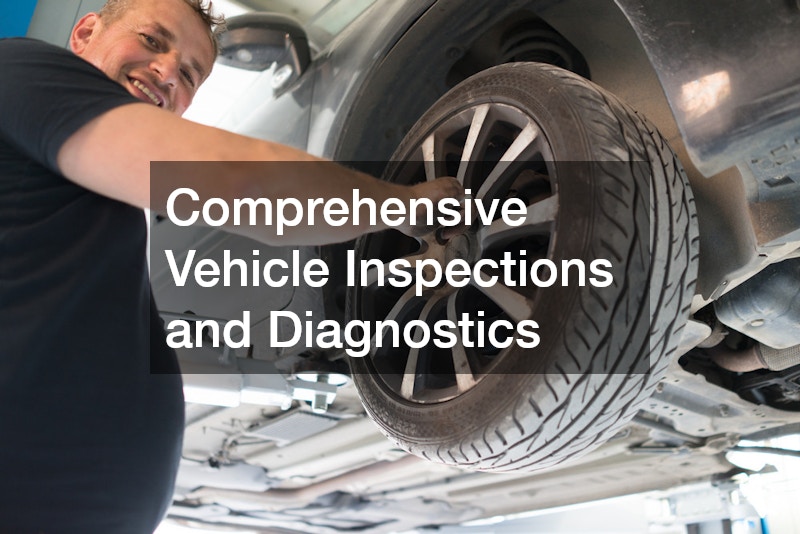
One of the defining features of a full-service auto repair shop is its commitment to comprehensive inspections and accurate diagnostics. Rather than simply addressing the symptom that prompted a visit, technicians evaluate the vehicle as a whole. This often includes checking fluid levels, inspecting belts and hoses, assessing brake condition, reviewing tire wear patterns, and scanning onboard computer systems for stored error codes. The goal is to identify both current issues and potential concerns that could develop into larger problems if left unattended. A thorough inspection helps drivers understand the true condition of their vehicle and prioritize repairs accordingly.
In more specific terms, modern diagnostic procedures rely on advanced equipment that connects directly to a vehicle’s electronic control modules. This technology allows technicians to pinpoint faults in sensors, ignition systems, fuel delivery components, and emissions controls with precision. Instead of relying solely on visual checks or guesswork, they can interpret data that reveals performance irregularities. Detailed diagnostic reports also provide documentation that can be valuable for warranty claims or future service planning. By combining hands-on inspection with digital analysis, a full-service facility delivers a more accurate assessment, saving drivers time and reducing the risk of repeated visits for unresolved issues.
Professional Auto Part Service and Replacement
Reliable repairs depend heavily on the quality and compatibility of replacement components. A full-service facility does more than swap out worn parts. It evaluates whether a component truly needs replacement and selects parts that meet manufacturer specifications. This approach protects overall vehicle performance and helps maintain safety standards. From filters and spark plugs to alternators and brake assemblies, proper installation techniques and torque specifications are essential. Professional technicians understand how each part interacts with surrounding systems, which reduces the likelihood of premature failure or secondary damage.
When it comes to auto part service, reputable providers source components from trusted suppliers and offer options that balance quality and budget. In some cases, drivers may choose between original equipment manufacturer parts and high-quality aftermarket alternatives. Technicians explain the differences in durability, warranty coverage, and cost so customers can make informed decisions. They also inspect related systems to confirm that replacing one component will not mask a deeper issue. For example, replacing a battery may prompt a charging system test to confirm the alternator is functioning properly. By approaching part replacement with care and technical precision, a full-service repair shop supports both immediate reliability and long-term vehicle health.
Routine Maintenance for Long-Term Performance
Routine maintenance is the foundation of vehicle reliability and longevity. A full-service repair facility emphasizes preventive care because small, consistent services can significantly reduce the risk of major mechanical failures. Regular oil changes, tire rotations, fluid flushes, and filter replacements help keep systems operating efficiently. Maintenance appointments also provide an opportunity for technicians to identify wear patterns or developing issues before they escalate into costly repairs. By adhering to a manufacturer-recommended service schedule, drivers protect engine performance, fuel efficiency, and overall safety.
For larger vehicles and specialty units, rv maintenance requires additional attention to both mechanical and living systems. In addition to engine care, technicians may inspect generators, water systems, slide-out mechanisms, and roof seals. These components experience unique stress due to extended travel and seasonal storage. A full-service facility equipped to handle recreational vehicles understands the importance of inspecting suspension systems, checking for fluid leaks, and confirming that electrical connections remain secure. Routine service for these vehicles not only improves performance on the road but also helps prevent unexpected breakdowns during trips. By treating maintenance as an ongoing responsibility rather than an occasional task, drivers can extend the life of their vehicles and enjoy greater peace of mind.
Advanced Engine and Transmission Repairs
Engine and transmission systems are among the most complex and critical components of any vehicle. When issues arise in these areas, accurate diagnosis and skilled repair are essential. A full-service repair facility employs technicians trained to address problems such as overheating, misfiring, slipping gears, and fluid contamination. These repairs often require specialized tools and a deep understanding of mechanical and electronic systems working together. Addressing engine and transmission concerns promptly helps prevent further damage and protects the long-term value of the vehicle.
In some cases, drivers may initially notice unusual noises, vibrations, or performance changes while traveling near commercial areas where heavy equipment like pavers operate. Although these surroundings are unrelated to the vehicle’s internal systems, the symptoms themselves should not be ignored. Technicians will perform compression tests, inspect timing components, evaluate transmission fluid condition, and analyze computer data to determine the root cause. Repairs may range from sensor replacement to full component rebuilds, depending on severity. Clear communication about repair options, estimated costs, and expected outcomes helps drivers make confident decisions.
Brake, Suspension, and Steering Services
Brakes, suspension, and steering systems directly affect vehicle control and passenger safety. A full-service repair facility conducts detailed inspections of brake pads, rotors, calipers, shocks, struts, ball joints, and tie rods to confirm proper function. Worn components in these systems can lead to longer stopping distances, uneven tire wear, and reduced handling stability. Addressing concerns early helps drivers avoid more serious safety risks and costly repairs later. Regular evaluation of these systems is particularly important for vehicles exposed to rough roads or heavy loads.
When discussing structural integrity and boundary protection, some drivers draw comparisons to services such as fencing service, which emphasizes strength and stability in a different context. Similarly, brake and suspension components must work together to create a secure and controlled driving experience. Technicians may perform brake fluid flushes, wheel alignments, and suspension adjustments to restore optimal performance. Steering system diagnostics can identify worn racks or hydraulic issues that affect responsiveness.
Heating and Air Conditioning System Repairs
Comfort systems play a significant role in the overall driving experience. A properly functioning heating and cooling system keeps the cabin comfortable in extreme temperatures and supports safe driving by maintaining clear visibility through defrost functions. A full-service facility inspects compressors, condensers, blower motors, and refrigerant levels to confirm that the system operates efficiently. Technicians also check for leaks, worn seals, and clogged cabin air filters that can restrict airflow. Addressing small issues early can prevent more expensive repairs and improve overall system performance.
When servicing air conditioning systems specifically, technicians may perform pressure tests, recharge refrigerant to manufacturer specifications, and verify that electronic climate controls respond accurately. Modern vehicles often rely on computerized sensors to regulate temperature, so diagnostic scans are frequently part of the repair process. If airflow is weak or inconsistent, the problem may involve ductwork, electrical components, or the blower assembly. By combining mechanical inspection with digital analysis, a full-service shop restores dependable cooling and heating performance.
Electrical System Testing and Troubleshooting
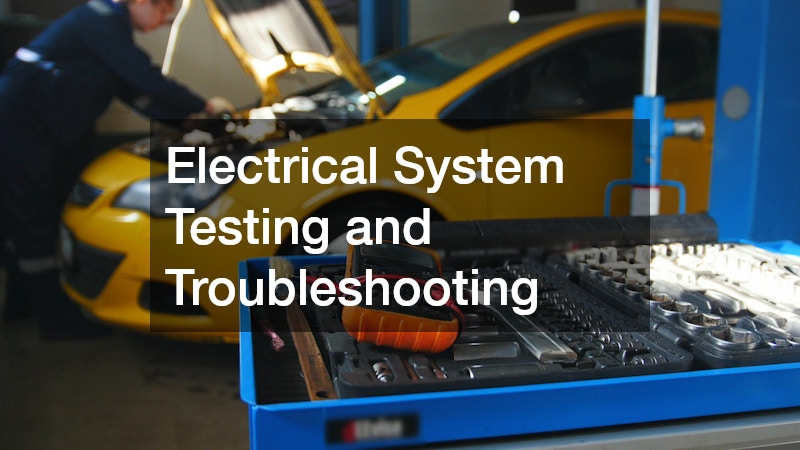
Modern vehicles depend heavily on electrical systems to operate safely and efficiently. From ignition and fuel injection to lighting and infotainment, nearly every function relies on a network of wiring, sensors, and control modules. A full-service repair facility conducts systematic testing to identify faults in batteries, alternators, starters, and electronic control units. Because electrical issues can mimic mechanical problems, accurate diagnosis is essential. Technicians use multimeters, scan tools, and circuit diagrams to trace faults and verify proper voltage and connectivity throughout the system.
Although unrelated in function, the complexity of vehicle wiring can sometimes remind customers of other technical services, such as garage door repair services, where electrical components must also operate in coordination. In automotive applications, even a minor wiring fault can disrupt multiple systems. Corroded terminals, damaged harnesses, or failing relays may cause intermittent problems that require careful troubleshooting. Technicians document findings, repair damaged circuits, and confirm proper operation through follow-up testing.
Headlight Restoration and Exterior Enhancements
Exterior condition contributes not only to a vehicle’s appearance but also to safety and visibility. Over time, headlight lenses can become cloudy or yellowed due to oxidation and environmental exposure. This reduces light output and can compromise nighttime driving safety. A full-service repair facility often offers cleaning and polishing services to improve clarity and brightness. Restoring exterior components such as trim, mirrors, and light assemblies can also enhance the vehicle’s overall presentation.
Headlight restoration involves carefully removing oxidation from the lens surface, polishing the material, and applying a protective coating to prevent future discoloration. Technicians evaluate whether restoration is sufficient or if full replacement is necessary for severely damaged assemblies. Improved headlight clarity not only enhances visibility but can also increase the vehicle’s resale appeal. In addition to lighting, exterior enhancements may include minor body adjustments, wiper replacement, and inspection of exterior seals.
Emergency Towing and Roadside Assistance
Breakdowns rarely happen at convenient times. Whether due to mechanical failure, a dead battery, or a flat tire, unexpected vehicle trouble can leave drivers feeling stranded and stressed. A full-service repair facility often extends its support beyond the shop by offering emergency roadside assistance. This added service reflects a commitment to customer care that goes beyond scheduled maintenance and planned repairs. Quick response times, clear communication, and professional handling of vehicles are critical during these situations. Drivers benefit from knowing they have access to reliable help when unexpected problems arise.
In many cases, assistance involves dispatching a tow truck to safely transport the vehicle to the repair facility. Professional operators secure the vehicle properly, minimizing the risk of further damage during transport. Technicians can then begin diagnostic procedures promptly upon arrival. Some roadside services may also include jump-starts, tire changes, or lockout assistance depending on the situation. By integrating emergency response with in-house repair capabilities, a full-service shop provides a seamless experience from roadside recovery to completed repair.
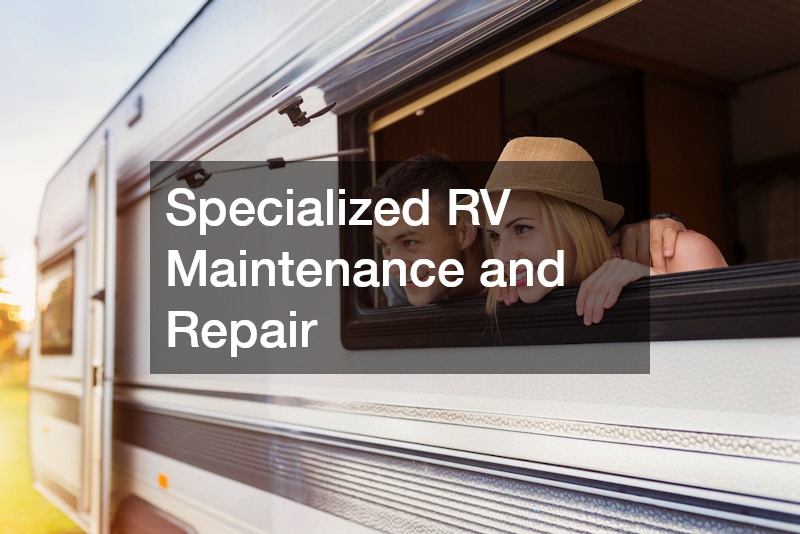
Specialized RV Maintenance and Repair
Recreational vehicles require a broader range of services than standard passenger cars. Because they combine automotive systems with living accommodations, their maintenance needs are more extensive. A full-service facility that offers specialized support can address engine performance, braking systems, suspension components, and onboard utilities in a coordinated manner. This comprehensive approach is especially valuable for owners who rely on their vehicles for long-distance travel or seasonal trips. Proper inspection and servicing reduce the likelihood of unexpected issues during travel.
In addition to in-house repairs, some facilities coordinate towing services when larger vehicles experience mechanical failure on the road. Transporting an RV requires specialized equipment and expertise to handle increased weight and size safely. Once at the facility, technicians may inspect generators, water systems, electrical connections, and structural components to confirm that all systems function properly. Detailed service reports help owners plan future maintenance and maintain records for resale value. By offering broad support for both mechanical and utility systems, a full-service shop helps RV owners travel with greater peace of mind and reliability.
A full-service auto repair facility provides far more than isolated mechanical fixes. It delivers comprehensive care that addresses diagnostics, maintenance, part replacement, safety systems, and emergency support. From routine inspections to advanced engine repairs, each service plays a role in preserving vehicle reliability and performance. The integration of specialized equipment, trained technicians, and transparent communication creates a service experience built on trust and efficiency. Drivers benefit from consistent oversight of their vehicle’s condition rather than reacting only when problems arise.