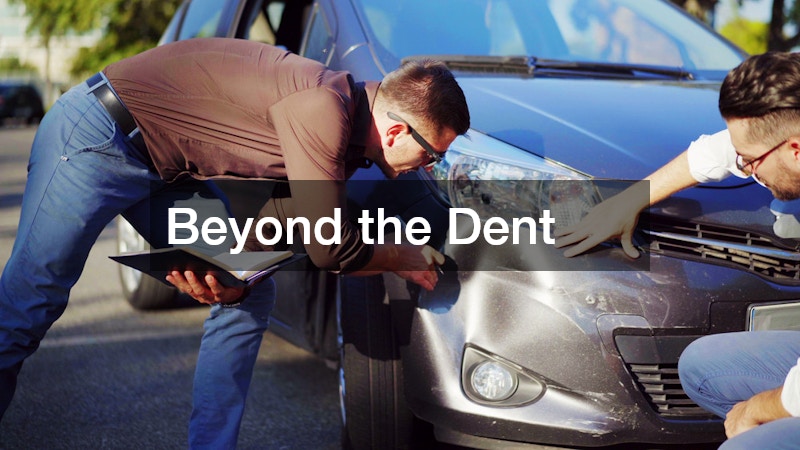
Beyond the Dent

To the untrained eye, a minor car accident is a visual problem. You back into a low concrete pillar at a parking garage, or someone creases your passenger door with a runaway shopping cart. The result is an unsightly blemish on an otherwise pristine machine. Naturally, your immediate instinct is aesthetic, and you simply want the vehicle to look like it did before the mishap. However, modern vehicles are not just sheets of stamped metal bolted to a frame.
They are highly complex, tightly integrated ecosystems of high-strength steel, aluminum, molded plastics, and sensitive electronics. When a vehicle sustains an impact, the damage is rarely skin-deep. Looking beyond the dent reveals that proper post-collision recovery is not about cosmetics, but rather about restoring the structural integrity, safety metrics, and resale value of your second-largest investment.
The exterior panels of a modern car, such as the fenders, bumpers, and doors, essentially act as a skin. They are designed to absorb and redirect energy, but they also mask the sophisticated skeleton beneath. Consider the modern bumper cover. What a consumer calls a bumper is actually just a flexible plastic fascia painted to match the car. Beneath that plastic skin lies a complex assembly consisting of an energy-absorbing foam core, a high-strength steel reinforcement bar, mounting brackets, and an array of digital components.
When you ignore a small dent or scrape, or opt for a quick cosmetic fix, you risk overlooking critical underlying issues that compromise the vehicle. One major risk involves compromised crumple zones. Vehicles are engineered to sacrifice specific areas to protect the cabin during a crash, but if a previous minor impact has already deformed or weakened these internal structures, they will not perform as intended in a subsequent, more serious accident. Another danger is hidden frame misalignment, where even a low-speed impact can transfer enough kinetic energy through the suspension to slightly shift or twist the vehicle’s frame, causing uneven tire wear, tracking issues, and severe stress on mechanical components. Furthermore, modern cars are packed with Advanced Driver Assistance Systems, including blind-spot monitors, parking sensors, and automated braking radars that are frequently mounted directly behind exterior panels. A slight shift in a panel can blind or miscalibrate these systems, causing them to fail when you need them most.
Uncovering and rectifying these hidden anomalies is exactly what separates a premium auto body shop service from a quick-fix roadside operation. True collision repair is a highly technical discipline that blends heavy industrial manufacturing with forensic engineering. The standard journey moves from a comprehensive visual inspection into digital frame measurement, followed by thorough disassembly, structural repair, and finally, precise painting and system calibration. When a vehicle enters a certified facility, the process begins long before a technician ever picks up a hammer or a paint gun. The vehicle is often placed on a specialized 3D laser measuring system that compares the car’s current physical dimensions against the manufacturer’s exact factory specifications down to the millimeter. If the frame is out of alignment by even the width of a coin, the computer flags it.
Once the structural baseline is verified or pulled back into specification, the teardown begins. Damaged panels are removed to inspect the underlying mechanical and electrical networks. If high-strength steel components are compromised, they cannot simply be heated and beaten back into shape. Heating high-strength steel alters its molecular structure, making it brittle. Instead, technicians must precisely cut out the damaged sections and weld or rivet factory-original replacements using manufacturer-approved techniques.
Once the structural skeleton and exterior panels are perfectly aligned, the vehicle moves to the refinishing stage, where science meets artistry. Matching paint on a vehicle isn’t as simple as looking up a color code in a database. Factors like UV exposure, weather, and the age of the vehicle alter the factory paint over time. A master painter must use a spectrophotometer, which is a digital device that analyzes the exact light-reflective properties of the existing paint, to create a custom-tinted formula. The paint is then applied in a pressurized, climate-controlled downdraft booth to ensure that microscopic dust particles cannot settle into the wet clear coat, resulting in a factory-smooth, seamless finish that matches the rest of the vehicle perfectly.
Ultimately, looking beyond the dent is about understanding the long-term consequences of cutting corners. A vehicle that has been improperly repaired is a serious liability. If the assistance sensors are misaligned by a fraction of a degree, your lane-keep assist could steer you into danger rather than away from it. If the structural welds are weak, the cabin could collapse under stress in a future accident. Furthermore, opting for substandard repairs to save a few dollars in the short term often decimates the vehicle’s resale value. Sophisticated buyers and dealership inspectors look closely at panel gaps, paint overspray, and structural welds, meaning that poor repairs stick out like a sore thumb on a vehicle history report and physical inspection.
When choosing an auto body shop service, it is vital to look for formal credentials. Facilities certified by original equipment manufacturers have invested tens of thousands of dollars in specialized training and equipment specifically mandated by the people who built your car. The next time your vehicle suffers a ding, dent, or collision, remember that the exterior blemish is just the starting point. Demand a repair process that respects the complex engineering beneath the surface, because your safety, your passengers’ safety, and the life of your vehicle depend entirely on the precision of the work you cannot see.