The Ultimate Used Car Buyers Checklist From Pre-Purchase Inspection to Total Vehicle Restoration
Purchasing a pre-owned vehicle presents an effective way to secure reliable transportation without paying the steep depreciation cost associated with brand new automobiles. However, navigating the used vehicle market requires diligence, preparation, and a structured evaluation strategy. Thousands of vehicles hit the resale market every single day across dealership lots, online auction platforms, and private seller listings. Some of these automobiles received meticulous care throughout their operational life, while others carry hidden mechanical defects or previous structural damage that sellers attempt to minimize or cover up. For any buyer, distinguishing between a well-maintained vehicle and a potential financial headache depends on following a systematic inspection process before signing any sales paperwork or exchanging funds.
The modern car buying process extends far beyond merely handing over money and driving off the lot. A truly successful transaction involves two distinct phases: pre-purchase verification and post-purchase restoration. The pre-purchase phase focuses on verifying mechanical integrity, safety features, and structural history. This crucial step protects buyers from overpaying or taking on immediate, unexpected repair expenses right after driving home. The post-purchase phase focuses on addressing cosmetic flaws, refreshing high-wear components, and applying protective treatments to preserve long-term resale value.
When buyers combine thorough technical evaluation with proactive vehicle reconditioning, they transform an ordinary used car into a dependable, comfortable, and visually striking automobile. Skipping either phase increases the risk of financial stress, unreliable transportation, and accelerated depreciation. Taking time to research historical reliability ratings and common vehicle failure points gives buyers a distinct advantage during price negotiations. Understanding how each major mechanical system and cosmetic surface contributes to overall vehicle health allows buyers to negotiate better purchase prices, budget accurately for future upkeep, and enjoy total confidence on the open road for many years to come.
Phase 1: Comprehensive Engine, Transmission, and Electrical Inspections
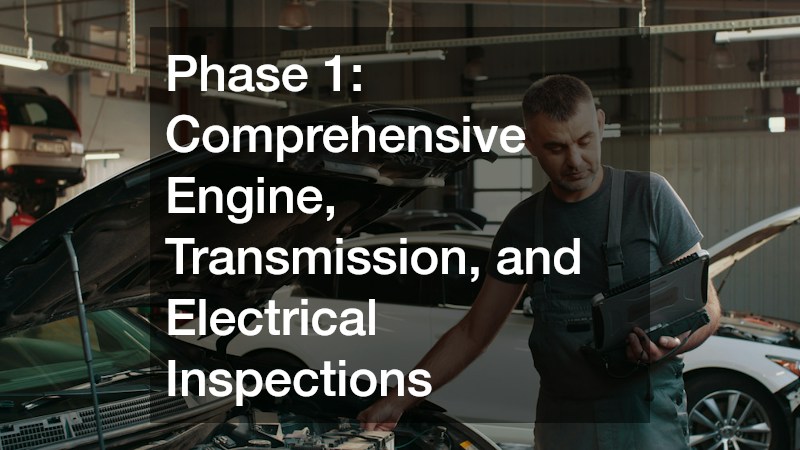
Before agreeing to purchase any pre-owned automobile, a comprehensive mechanical evaluation is essential. Engine components, transmission housings, fluid conditions, and electrical circuits must undergo physical and computerized testing. While a quick test drive around the block provides a basic sense of acceleration and braking performance, it cannot reveal subtle transmission hesitation, minor fluid leaks, or pending electronic diagnostic trouble codes. Engaging certified auto mechanics to perform a formal pre-purchase inspection gives buyers an unbiased assessment of the true mechanical baseline of the car. These experienced technicians connect diagnostic scanners directly to the vehicle computer, checking for active error codes stored in various electronic control modules across the powertrain, braking, and climate control networks.
During the under-hood evaluation, technicians inspect the engine oil, transmission fluid, coolant, brake fluid, and power steering fluid. Dark, burnt, or contaminated fluids indicate a poor maintenance history and suggest that internal engine components experienced excessive friction and thermal stress over time. Inspecting rubber cooling hoses for hairline cracks, checking radiator caps for pressure sealing, and examining serpentine belts for signs of fraying prevents sudden overheating on the road.
Technicians also test the primary charging system, verifying alternator output voltage and evaluating the health of the car battery to guarantee reliable starting performance in extreme weather conditions. Corroded battery terminals, swollen casing walls, or low voltage output signals an imminent electrical failure that requires immediate replacement before taking long highway drives. Testing parasitic battery drain while the car is turned off ensures no hidden electrical short draws power overnight. Replacing aging electrical components early prevents unexpected breakdowns, avoids costly emergency towing fees, and preserves sensitive onboard computer networks from dangerous voltage fluctuations.
Phase 2: Tire Health, Suspension Integrity, and State Compliance
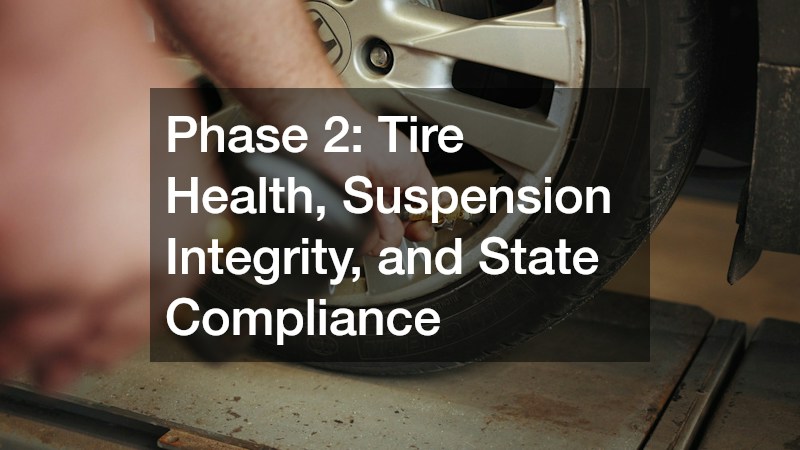
Tires serve as the sole point of physical contact between a vehicle and the road surface, making their condition vital to overall driver safety and vehicle handling dynamics. During a thorough pre-purchase review, buyers should check the tread depth, wear patterns, and manufacturing date codes stamped into the sidewalls of all four tires. Tires older than six years require replacement regardless of remaining tread depth, as rubber compounds naturally degrade and harden over time. Uneven tread wear patterns often point to underlying suspension issues, worn shock absorbers, or improper wheel alignment angles that drag tires unevenly across the pavement. Visiting a specialized tire shop allows buyers to replace mismatched or worn rubber with fresh tires that match original factory speed ratings and load capacity requirements. Fresh rubber improves traction in wet driving conditions, reduces cabin road noise, and optimizes fuel efficiency during daily commutes. Proper tire balancing also protects wheel bearings and suspension bushings from premature wear caused by high-speed vibration.
Beyond physical tread inspections, vehicle owners must ensure full compliance with regional road safety and environmental regulations before hitting the highway. Depending on the local jurisdiction, passing mandatory state inspections is required before a title transfer can occur or official license plates can be issued to the new owner. These formal safety evaluations check critical vehicle components such as brake pad thickness, steering linkages, turn signals, headlight alignment, windshield wiper condition, and exhaust emissions. Buying a pre-owned car with a fresh inspection approval certificate eliminates immediate administrative hurdles, avoids unexpected municipal fines, and guarantees that basic safety benchmarks are satisfied before daily operation begins. Having documentation showing recent safety compliance also streamlines future insurance registration processes and avoids delays at administrative offices.
Phase 3: Structural History, Frame Integrity, and Past Accidents
Hidden structural damage poses one of the greatest financial risks when purchasing pre-owned vehicles. Unscrupulous sellers or hasty auction flippers often mask past frame misalignments or damaged body panels with cheap paint touch-ups and quick superficial fixes. Buyers must carefully examine panel gaps, door alignment, trunk seals, and undercarriage frame rails for signs of previous accidents or poor bodywork. Unusually wide or uneven panel seams often indicate that replacement fenders or hoods were bolted on without proper alignment calibration. Taking the vehicle directly to an established auto body shop gives buyers access to specialized measurement tools and frame-alignment benches that verify structural straightness and identify hidden body repairs that standard visual inspections miss.
Understanding the complete repair history of a vehicle helps buyers negotiate fair market prices or walk away from potentially dangerous cars altogether. Major structural damage significantly reduces the market value of a vehicle, even after cosmetic fixes are completed. When a vehicle undergoes heavy structural collision repair, technicians must strictly follow original equipment manufacturer procedures to restore factory crumple zones and structural rigidity. Incorrect welding techniques, poor frame alignment, or improper panel bonding compromise structural integrity during future impacts. Confirming that past structural repairs met rigid industry standards ensures that the vehicle frame will protect passengers properly in an unexpected crash. Thorough frame verification provides immense peace of mind before finalizing any purchase agreement and transferring ownership funds.
Phase 4: Cosmetic Panel Repairs and Surface Paint Protection
Cosmetic blemishes like scuffed plastic, minor dings, and stone chips are common on pre-owned vehicles, but they do not have to remain permanent flaws. Modern reconditioning techniques make it simple to restore plastic and metal surfaces back to factory quality without expensive full-panel replacements. Scuffed or cracked plastic facias can be restored quickly through professional bumper repair, eliminating unsightly scrape marks and protecting underlying parking sensors and parking cameras. Fixing cosmetic defects on plastic covers prevents small hairline fractures from spreading across the panel due to constant road vibrations, moisture intrusion, and seasonal temperature changes. Specialized plastic welding and flexible body fillers restore structural strength to bumper covers while maintaining original factory lines.
Once exterior panel repairs are finished, preserving the clear coat finish becomes the top priority for long-term paint health. Road debris, flying gravel, bug splatter, bird droppings, and harsh winter salt quickly degrade exterior paint finishes if left unprotected. Applying high-performance auto paint protection films to high-impact zones like the front hood, side mirrors, door edges, and front fascia creates a durable, self-healing barrier. These transparent urethane layers absorb stone impacts and shield the factory paint surface from UV exposure and oxidation, ensuring the exterior finish maintains its deep shine and smooth texture for years to come. Investing in surface defense immediately after purchase preserves the physical appearance and market value of the car. These protective films can also be removed seamlessly years later without damaging original factory paint.
Phase 5: Interior Deep Cleaning and Thermal Solar Control
The interior environment plays a massive role in overall driving satisfaction and daily passenger comfort. Used car interiors often accumulate embedded dirt, spilled beverages, pet hair, and persistent odors from previous owners. Ordering a complete auto detailing treatment removes deeply embedded grime from carpet fibers, cleans delicate leather seating surfaces, and sanitizes heating and air conditioning ventilation ducts. Professional interior cleaning restores the natural look and smell of cabin surfaces, creating a fresh, hygienic environment for the new owner and their passengers. Removing organic matter, allergens, and accumulated dust prevents mold growth and dramatically improves indoor air quality inside the cabin. Specialized steam extraction techniques eliminate stubborn carpet stains and refresh upholstery fibers without damaging underlying electronics.
In addition to interior cleanliness, thermal comfort and solar protection enhance the daily driving experience substantially. Direct sun exposure damages dashboard plastics, cracks leather seats, and increases cabin temperatures during hot summer months. Installing high-quality window tinting provides infrared heat rejection, blocks harmful ultraviolet rays, and improves passenger privacy. Modern ceramic films keep vehicle interiors noticeably cooler without interfering with radio signals, navigation systems, or cellular phone reception, making daily commutes and long summer trips far more enjoyable. Upgrading cabin glass creates an aesthetically pleasing look while safeguarding interior upholstery against premature fading and cracking over time. High-performance solar film also reduces glare during bright daytime driving, lowering eye strain for the driver.
Phase 6: Preventive Care and Long-Term Maintenance Planning
After completing immediate pre-purchase checks and initial restoration projects, establishing a long-term preventive maintenance plan maintains overall vehicle operating efficiency. Consistent upkeep prevents minor mechanical wear from escalating into expensive component failures over time. Scheduling routine service with skilled auto mechanics creates an accurate service history log, which significantly boosts resale value when trading in the vehicle years later. Regular oil changes, spark plug replacements, transmission fluid flushes, cooling system flushes, and air filter changes keep internal engine components operating within optimal performance parameters. Maintaining detailed service records proves to future buyers that the automobile received attentive maintenance throughout its lifespan. Consistently monitoring fluid levels between scheduled maintenance visits ensures that minor leaks are detected before severe mechanical damage occurs.
Cosmetic maintenance requires a similar long-term perspective to keep the vehicle looking like it just left the showroom floor. Visiting a trusted auto body shop for periodic inspection of paint health, rust protection treatments, undersurface coatings, and panel alignments prevents environmental exposure from degrading the metal body shell. Addressing minor paint chips promptly prevents moisture from reaching raw steel panels and causing structural rust. By balancing mechanical upkeep with exterior protection, vehicle owners preserve both the operational reliability and aesthetic appeal of their pre-owned automobile for many miles ahead.
Driving Forward: Enjoying Your Restored and Protected Vehicle
Purchasing a used car is a significant financial decision, but following a structured checklist removes uncertainty from the buying process. From initial diagnostic computer scans and safety verifications to cosmetic reconditioning and long-term surface protection, every step strengthens the reliability and value of the automobile. Buyers who take the necessary time to perform thorough pre-purchase evaluations avoid costly mechanical surprises and gain complete confidence in their vehicle investment. Taking a methodical approach transforms what can be a stressful transaction into an empowering ownership journey that yields great long-term rewards.
Investing in total vehicle restoration elevates a pre-owned automobile from basic transportation to a source of pride and driving comfort. Refreshing mechanical components, protecting exterior paint surfaces, and revitalizing the interior cabin transforms the ownership experience completely. A well-maintained used car offers the perfect blend of modern comfort, safety, and financial prudence. Driver safety and peace of mind increase dramatically when every system receives careful attention. Exercising patience throughout the inspection and reconditioning phases ensures that every dollar invested produces maximum long-term value. With proper care, attention to detail, and consistent maintenance, a pre-owned vehicle will deliver exceptional performance, safety, and driving satisfaction for many miles and years down the road.