
Simple Inspection Habits That Catch Truck Trouble Before Breakdown

A breakdown on the highway rarely happens without warning. Most trucks send small signals for days or even weeks before a real problem strikes, whether it is a strange noise, a warning light, or a slight pull to one side. The trouble is that many drivers and owners do not know what to look for, so those signals get ignored until it is too late.
Building a few simple inspection habits into your routine can help you catch trouble early, avoid costly delays, and keep your truck running safely for years.
Check Tire Pressure and Tread Every Week
Tires take more abuse than almost any other part of a truck, yet they are often the most overlooked during a quick walk-around. Underinflated tires wear unevenly, generate excess heat, and increase the odds of a blowout at highway speed. A simple pressure gauge kept in the glovebox takes the guesswork out of the process and only takes a minute or two per tire.
Tread depth matters just as much as pressure. Shallow tread reduces grip in wet or icy conditions and is one of the leading causes of preventable accidents involving heavier vehicles. Make it a habit to check all tires, including the spare, on the same day each week, so it becomes routine rather than an afterthought.
- Use a tread depth gauge or the simple coin test to check wear
- Look for uneven wear patterns that suggest alignment issues
- Inspect sidewalls for cracks, bulges, or embedded objects
- Confirm the spare tire is properly inflated and accessible
Listen for Unusual Engine Noises and Vibrations
Engines rarely fail without warning. A knocking sound, a whine, or a new vibration felt through the steering wheel or seat is often the first clue that something is wearing out or loosening. Drivers who spend time behind the wheel regularly develop a feel for how their truck normally sounds and moves, which makes new noises easier to catch.
Paying attention during startup is especially useful, since many issues show up most clearly in the first thirty seconds after the engine turns over. A rough idle, delayed response, or excessive smoke at startup can point to fuel system, belt, or exhaust problems. Catching these signs early often turns a major repair into a minor adjustment.
- Note any new rattling, grinding, or squealing sounds
- Pay attention to changes in exhaust smoke color
- Watch for stalling or hesitation when accelerating
- Track how long the engine takes to reach normal operating temperature
Monitor Fluid Levels and Look for Leaks
Fluids are the lifeblood of any truck, and low or dirty fluid is one of the most common causes of mechanical failure. Oil, coolant, transmission fluid, and brake fluid should all be checked on a regular schedule rather than only when a warning light appears. Since dashboard sensors can sometimes lag behind reality, a manual check gives a more honest picture of what is happening under the hood.
Leaks are equally important to track, since a small drip today can mean a major failure next month. Parking in the same spot for a few days and checking the ground underneath can reveal problems long before they show up as performance issues. Different fluid colors point to different systems, so learning to identify them is a useful skill for any truck owner.
- Amber or dark brown spots often indicate engine oil
- Bright green, orange, or pink puddles usually mean coolant
- Reddish fluid points to transmission or power steering issues
- Clear or slightly oily puddles near the wheels may signal brake fluid loss
Inspect Brakes, Lights, and Belts on a Set Schedule
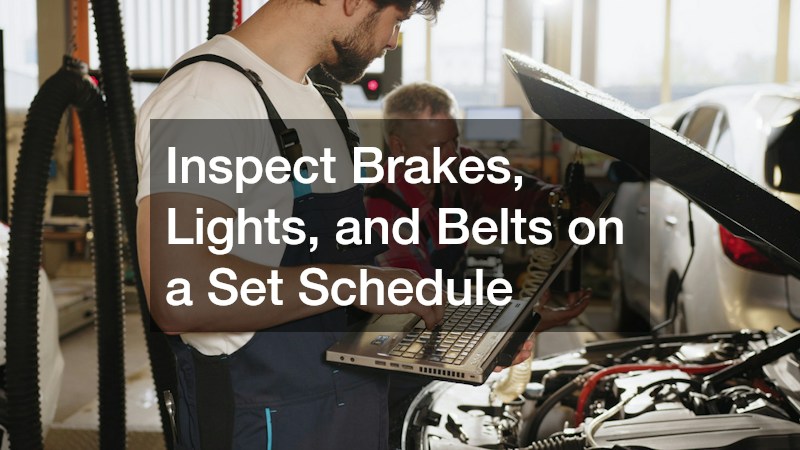
Brakes wear gradually, which makes them easy to ignore until a screech or a soft pedal forces the issue. Setting a monthly reminder to inspect brake pads, rotors, and lines helps catch thinning components before they become a safety hazard. Anyone unfamiliar with these parts can still spot obvious wear, cracking, or fluid seepage with a flashlight and a few minutes of attention.
Lights and belts deserve the same disciplined approach. A burned-out taillight or a cracked serpentine belt might seem minor, but both can lead to bigger problems, from traffic stops to sudden power steering failure. Building these checks into a fixed schedule, rather than relying on memory, is what separates proactive owners from those who end up dealing with an unexpected truck repair on the side of the road.
- Test all exterior lights, including turn signals and brake lights
- Check belts for cracking, fraying, or excessive slack
- Listen for squealing or grinding when braking at low speed
- Inspect brake fluid reservoir levels monthly
Track Dashboard Warning Lights and Unusual Smells
Modern trucks are equipped with sensors designed to flag problems long before they become serious, yet many drivers dismiss warning lights as minor annoyances. Treating every new light as worth investigating, rather than assuming it will go away, is one of the simplest habits that prevents major breakdowns. A quick scan with an affordable code reader can often explain what a light means before a bigger symptom develops.
Smells can be just as telling as lights. A sweet odor may point to a coolant leak, while a burning smell could mean an overheating clutch or worn brake pad. Training yourself to notice changes in cabin smell, especially after highway driving or towing, adds another layer of early detection that many owners overlook entirely.
- Do not ignore a check engine light even if the truck seems to run fine
- Note whether smells appear only under load, such as towing or climbing hills
- Keep a simple log of warning lights and when they occurred
- Address recurring lights promptly rather than resetting them repeatedly
Conclusion
None of these habits require special tools or mechanical expertise, just a little consistency and attention. Spending ten minutes a week on tires, fluids, lights, and sounds can mean the difference between a scheduled fix and a stressful breakdown on the road. Start with one habit this week, build from there, and your truck will reward you with fewer surprises and a longer, more reliable life on the road.