Car Jerking When Accelerating? Here Are 7 Common Causes and How to Fix Them

- Car jerking when accelerating is a common problem that can stem from various engine, fuel, or transmission issues.
- Worn spark plugs or ignition system problems are a leading cause and can often be fixed with routine replacement.
- Dirty or clogged fuel injectors disrupt fuel flow, causing misfires and poor acceleration; cleaning or replacing them usually resolves the issue.
- Transmission and timing system problems can lead to jerking during gear shifts or acceleration, often requiring professional inspection.
- Air and fuel filter issues, as well as vacuum leaks, restrict engine airflow or fuel mixture, which can result in hesitation or stalling.
- Malfunctioning throttle body or sensors, such as the mass airflow sensor, can cause jerking and poor fuel efficiency; cleaning or replacement helps.
- Regular maintenance, diagnostic checks, and timely repairs are key to preventing jerking and ensuring smooth, safe acceleration.
Is your car jerking when accelerating? If so, you’re not alone. A sudden jerk, hesitation, or shudder when you press the gas can be frustrating and even dangerous if left unaddressed. The good news is, most causes are identifiable and fixable without breaking the bank. In this guide, we’ll walk through the most common reasons your car jerks when accelerating and show you practical ways to fix them.
Why Does My Car Jerking When Accelerating?

A car that jerks when accelerating can signal a range of issues. It could be something as simple as dirty fuel injectors or as serious as transmission problems. Understanding the root cause is crucial to avoid further damage and expensive repairs.
Many drivers ask themselves, “Why is my car jerking when I drive?” The answer usually comes down to common issues like worn spark plugs, clogged fuel injectors, vacuum leaks, or transmission problems. Identifying the exact cause is the first step to fixing the problem and getting smooth acceleration again.
1. Faulty Spark Plugs or Ignition System
One of the most common reasons for jerking during acceleration is a problem with your car’s ignition system.
Signs it could be the spark plugs:
- Rough idling
- Misfiring cylinders
- Reduced fuel efficiency
How to fix it:
- Inspect spark plugs for wear or carbon buildup.
- Replace worn spark plugs.
- Check ignition coils and wires for damage.
Routine replacement of spark plugs can prevent jerking and improve overall engine performance.
2. Dirty or Clogged Fuel Injectors
Fuel injectors deliver the right amount of fuel into the engine. When they’re dirty or clogged, the fuel flow can be uneven, causing your car to jerk.
Symptoms of fuel injector issues:
- Engine misfires
- Poor acceleration
- Increased fuel consumption
Fixing fuel injectors:
- Use a fuel injector cleaning solution.
- Consider professional cleaning if buildup is severe.
- Replace injectors if cleaning doesn’t solve the problem.
Keeping your fuel system clean ensures smooth acceleration and better engine efficiency.
3. Transmission Problems
A jerking car may indicate transmission issues, especially if the problem occurs during gear changes.
Transmission-related signs:
- Hesitation when shifting
- Strange noises
- Burning smell
How to address transmission problems:
- Check transmission fluid level and condition.
- Replace or flush transmission fluid as needed.
- Seek professional help for automatic or manual transmission repairs.
Ignoring transmission problems can lead to costly repairs down the road.
4. Engine Timing Issues
Your car’s timing system ensures that the engine’s valves open and close at the correct intervals. If the timing is off, your car may jerk when accelerating.
Warning signs of timing problems:
- Engine runs rough
- Loss of power
- Check engine light comes on
Fixes:
- Have a mechanic check and adjust the timing belt or chain.
- Replace worn or stretched timing belts.
- Ensure regular maintenance to prevent timing-related issues.
A well-timed engine is essential for smooth and responsive acceleration.
5. Air or Fuel Filter Problems
Blocked or dirty air and fuel filters can restrict the flow of air or fuel to the engine, causing jerking or hesitation.
Signs of filter issues:
- Poor acceleration
- Engine stalls or sputters
- Black smoke from exhaust
Solutions:
- Replace air and fuel filters regularly.
- Use high-quality filters for better engine protection.
- Check filters more often if you drive in dusty or harsh conditions.
Filters may seem minor, but clean ones can make a noticeable difference in how your car accelerates.
6. Vacuum Leaks
Vacuum leaks can disrupt the air-fuel mixture, leading to engine jerking.
Common symptoms:
- Rough idling
- Stalling
- Decreased fuel efficiency
How to fix vacuum leaks:
- Inspect hoses for cracks or loose connections.
- Replace damaged hoses.
- Use a vacuum gauge to identify leaks.
A small vacuum leak can have a big impact on engine performance, so don’t ignore it.
7. Throttle Body or Sensor Issues
Your throttle body controls how much air enters the engine, and sensors like the mass airflow sensor monitor this process. When they malfunction, jerking can occur.
Signs to watch for:
- Hesitation when pressing the gas pedal
- Check engine light is on
- Poor fuel economy
Fixing throttle or sensor problems:
- Clean the throttle body.
- Replace faulty sensors.
- Reset the ECU after repairs.
Regular inspection and cleaning can prevent throttle-related jerking and keep your car running smoothly.
How to Diagnose Car Jerking When Accelerating
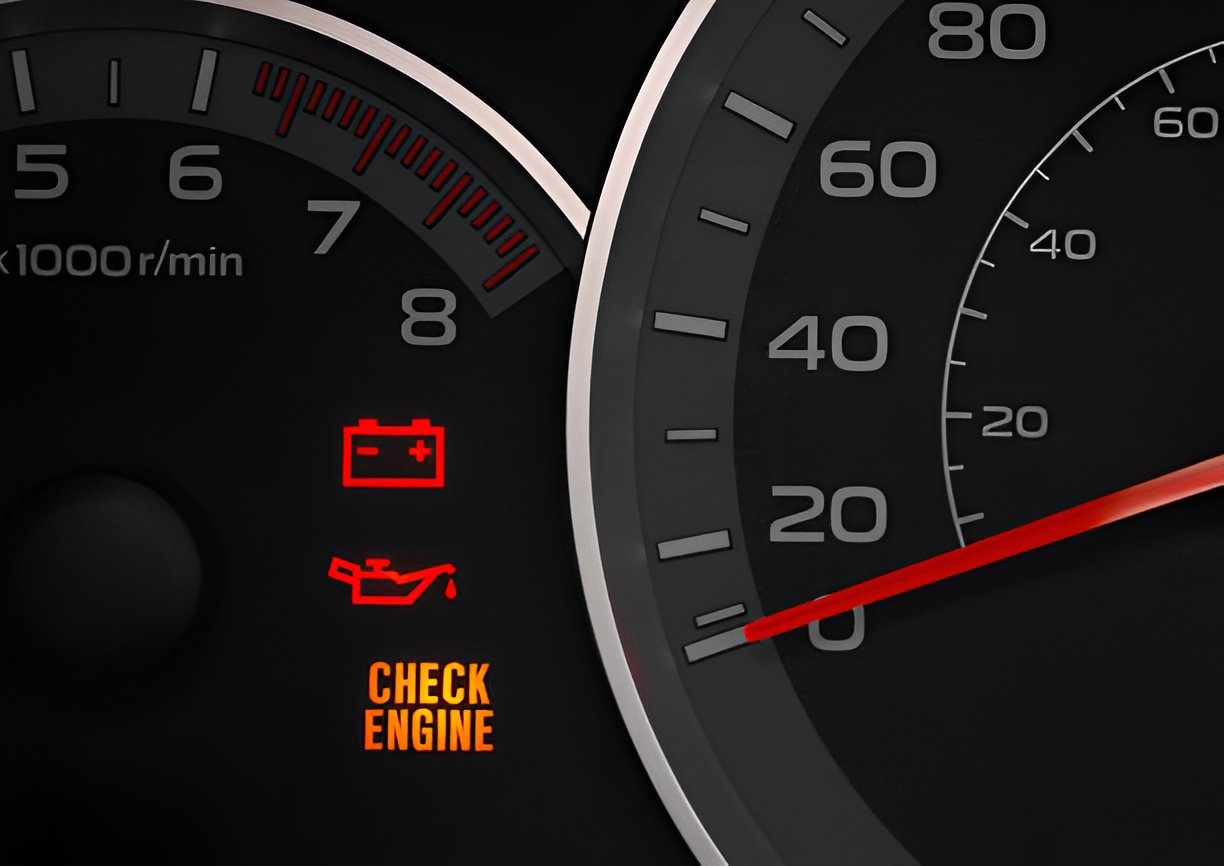
Diagnosing the cause of jerking can be straightforward if you follow a few steps:
- Check the engine light: A diagnostic scan tool can reveal error codes related to ignition, fuel, or transmission issues.
- Inspect spark plugs and wires: Worn plugs are an easy and cheap fix.
- Monitor fluid levels: Ensure transmission and engine fluids are at the correct levels and in good condition.
- Look for vacuum leaks: Visual inspection of hoses and gaskets can reveal obvious leaks.
- Test drive: Notice when the jerking happens—at low speed, high speed, or during gear shifts. This helps pinpoint the issue.
DIY vs. Professional Repair
Some causes of car jerking are easy to fix at home, while others require professional help.
DIY-friendly fixes:
- Replacing spark plugs
- Cleaning or replacing air and fuel filters
- Using fuel injector cleaning solutions
Repairs best left to professionals:
- Transmission repair or replacement
- Timing belt adjustments
- Complex sensor or throttle body replacements
Knowing when to DIY and when to call a mechanic can save you money and prevent further damage.
Preventing Car Jerking in the Future
The best way to avoid jerking issues is regular maintenance. Here are some tips:
- Stick to your car’s maintenance schedule.
- Use high-quality fuel and filters.
- Monitor fluid levels regularly.
- Keep an eye on warning lights and unusual noises.
- Address small issues before they become major problems.
Preventive care not only reduces jerking but also extends the life of your vehicle.
When to Worry About Car Jerking
While occasional jerking might be harmless, persistent or severe jerking can indicate serious problems. Seek immediate attention if:
- Jerking is accompanied by a burning smell or smoke.
- The car stalls frequently.
- You notice unusual noises like grinding or clunking.
- The check engine light stays on.
Timely repairs can prevent accidents and save on costly repairs.
Wrapping It Up
Car jerking when accelerating can be annoying and sometimes dangerous, but most causes are fixable. Whether it’s as simple as replacing spark plugs or as involved as addressing transmission issues, understanding the root cause is key. With regular maintenance, proper diagnostics, and timely repairs, you can enjoy smooth, reliable acceleration again.