Everything Aspiring Mechanics Need to Open Their Own Auto Shop
Opening your own auto shop is a major milestone for aspiring mechanics who want to turn their technical skills into a long-term business. While mechanical knowledge is essential, running a successful shop requires much more than knowing how to fix vehicles. Owners must think like entrepreneurs, balancing hands-on work with planning, management, and customer service. Understanding what it truly takes to open and operate an auto shop helps prevent costly mistakes and sets realistic expectations from the start.
The journey to shop ownership involves building experience, preparing financially, and making strategic decisions that support sustainability and growth. From choosing services to offering the right equipment and building trust with customers, every choice contributes to the reputation and success of the business. When aspiring shop owners take time to learn each step of the process, they position themselves to build an operation that is not only profitable but respected and dependable within the community.
Understanding the Skills Required to Run a Shop

Running an auto shop requires a blend of technical expertise and business-minded thinking. Mechanics must be confident in diagnosing problems, performing repairs accurately, and staying current with evolving vehicle technology. At the same time, shop owners must understand scheduling, pricing, customer communication, and quality control. Strong problem-solving skills, attention to detail, and the ability to manage multiple responsibilities are all critical to keeping daily operations running smoothly.
On a more specific level, shop owners often benefit from developing specialized skills that expand service offerings and attract a wider customer base. Services such as auto dent removal require precision, efficiency, and an understanding of both cosmetic and structural repair techniques. Having a strong technical foundation across multiple service areas allows owners to diversify revenue streams and build a reputation for comprehensive, reliable service. The broader the skill set, the more confident customers feel trusting the shop with their vehicles.
Gaining Hands-On Experience Before Opening
Hands-on experience is one of the most valuable assets an aspiring shop owner can have. Working in established shops provides exposure to real-world challenges, customer interactions, and workflow management that cannot be learned from textbooks alone. Experience helps mechanics understand time management, repair efficiency, and how different roles within a shop work together. This background prepares future owners to make informed decisions when they step into leadership positions.
More specifically, hands-on experience allows mechanics to refine their diagnostic abilities and learn how to handle high-demand services under pressure. Working through common and complex repairs builds confidence and technical accuracy, especially in areas that frequently bring customers into shops. Experience with services such as auto ac repairs teaches problem diagnosis, system testing, and customer communication around comfort-related issues. By gaining practical experience before opening their own shop, aspiring owners reduce risk and increase their readiness for long-term success.
Creating a Solid Business Plan

A strong business plan is the backbone of any successful auto shop, especially for first-time owners. It forces aspiring mechanics to think beyond repairs and consider how the shop will operate, grow, and remain profitable over time. A well-developed plan outlines services offered, pricing strategy, startup costs, ongoing expenses, and revenue goals. It also helps owners anticipate challenges, set realistic timelines, and avoid impulsive decisions that can derail progress early on.
On a more specific level, a business plan should also address branding, customer acquisition, and how the shop will stand out in a competitive market. Visibility and recognition play a major role in attracting early customers and building credibility. Planning for elements such as vehicle wraps allows shop owners to turn service vehicles into mobile advertising that reinforces brand awareness throughout the community. Including these details in the business plan ensures marketing and operations are aligned from day one, giving the shop a clearer path to sustainable growth.
Choosing the Right Location and Facility
Location can make or break a new auto shop, so this decision deserves careful consideration. The right facility supports efficient workflows, attracts customers, and allows room for future expansion. Factors such as visibility, accessibility, zoning regulations, and proximity to target customers all influence success. A poorly chosen location can limit growth, increase operating costs, or create logistical challenges that slow daily operations.
More specifically, the facility itself must be suited to the services the shop plans to offer. Ceiling height, bay layout, power availability, and outdoor space all affect what types of work can be performed efficiently. For shops that plan to service larger vehicles or commercial clients, having adequate space for offerings like truck upfitting services becomes essential. Choosing a location that supports both current needs and future service expansion helps ensure the shop does not outgrow its space too quickly.
Investing in Tools, Equipment, and Technology

Proper tools and equipment are essential to delivering quality repairs and maintaining efficiency in an auto shop. Aspiring owners must budget for diagnostic tools, lifts, specialty equipment, and technology that keeps pace with modern vehicles. Investing in reliable tools not only improves repair accuracy but also reduces downtime and frustration for technicians. Cutting corners on equipment often leads to slower service, mistakes, and dissatisfied customers.
On a more specific level, technology investments go beyond mechanical tools and extend into branding, systems, and customer experience. Modern shops benefit from cohesive branding, digital systems, and professional presentation that reflect reliability and trust. Working with a brand design agency can help new shop owners develop a clear visual identity that carries through signage, marketing materials, and online presence. When tools, technology, and branding are all treated as essential investments, the shop is better positioned to compete and grow from the very beginning.
Meeting Licensing and Certification Requirements
Before opening an auto shop, aspiring owners must understand and comply with all required licensing and certification regulations. These requirements exist to protect customers, ensure safety standards, and establish professional credibility within the industry. Licenses may vary by state or municipality, covering business operation, environmental compliance, and specific repair services. Taking the time to research and meet these obligations helps prevent legal complications, fines, or forced closures after opening.
On a more specific level, certification also plays a key role in how customers perceive a shop’s professionalism and reliability. Displaying proper credentials reassures customers that technicians are qualified and knowledgeable. Beyond mechanical certifications, shop owners must also address compliance in areas like digital operations and customer data handling. Establishing a professional online presence through thoughtful business web design helps communicate legitimacy while supporting transparency and trust. When licensing and certification are handled thoroughly, the shop begins operations with a strong and credible foundation.
Building a Reliable Supplier and Vendor Network
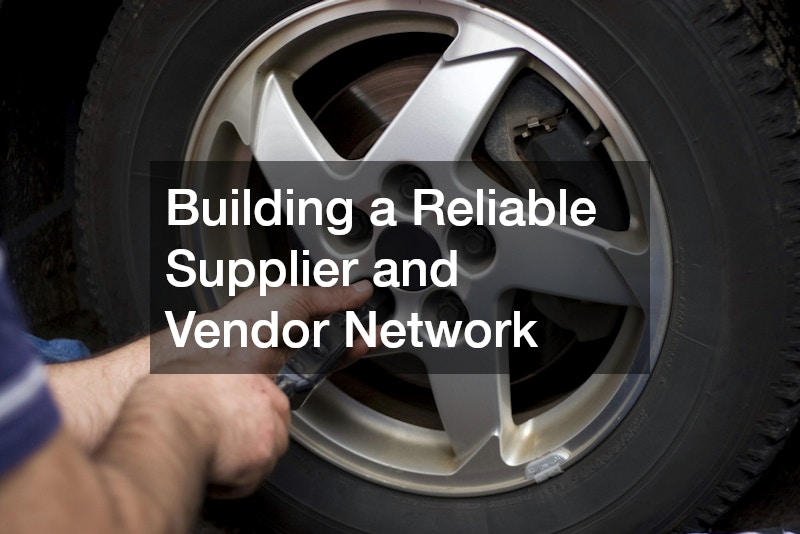
A dependable auto shop relies on strong relationships with suppliers and vendors to operate smoothly. Parts availability, pricing consistency, and delivery reliability all impact service speed and customer satisfaction. Without trusted vendors, shops may experience delays, increased costs, or inconsistent repair quality. Building these relationships early allows shop owners to negotiate better terms and maintain steady access to essential resources.
On a more specific level, vendor relationships extend beyond parts suppliers to include service providers that support business operations and customer engagement. Establishing reliable partnerships helps ensure the shop can adapt to growth and changing needs without disruption. For example, working with experienced providers of web design services supports ongoing updates, performance improvements, and customer communication tools as the business evolves. A strong vendor network allows the shop to focus on repairs while trusting that operational support remains dependable and efficient.
Hiring and Managing a Skilled Team
No auto shop can succeed without a skilled and dependable team behind it. Hiring qualified technicians and support staff ensures repairs are completed accurately, customers are treated professionally, and operations run efficiently. Aspiring owners must learn how to evaluate technical ability, work ethic, and communication skills during the hiring process. Building a positive team culture encourages accountability, collaboration, and long-term employee retention.
On a more specific level, effective management involves clear expectations, ongoing training, and strong leadership. Employees perform best when they understand their roles, feel supported, and see opportunities for growth within the business. Creating a professional environment also extends to how the shop presents itself visually and operationally. Coordinating branding elements through experienced sign makers helps reinforce professionalism and consistency, giving employees pride in their workplace while building trust with customers. When teams are well-managed and supported, the entire shop benefits from higher performance and stronger morale.
Marketing Your Auto Shop Effectively
Marketing plays a critical role in helping a new auto shop gain visibility, build trust, and attract a steady flow of customers. Even the most skilled mechanics will struggle if potential customers do not know the shop exists or do not understand what sets it apart. Effective marketing communicates reliability, professionalism, and value, helping customers feel confident choosing a new shop over established competitors. For aspiring shop owners, marketing should be viewed as an ongoing investment rather than a one-time task completed at launch.
On a more specific level, marketing an auto shop involves both digital and physical strategies working together. Online visibility helps customers find services quickly, while physical branding reinforces legitimacy and local presence. Elements such as storefront signage, service vehicles, and in-shop visuals contribute to first impressions long before a customer speaks with a technician. Investing in high quality signs helps communicate professionalism, attract drive-by traffic, and establish credibility in the community. When marketing efforts are consistent and well-executed, they create familiarity and trust that drive long-term customer loyalty.
Planning for Long-Term Growth and Success
Opening an auto shop is only the beginning; long-term success depends on planning for growth from the start. Aspiring shop owners must think beyond daily repairs and consider how the business will evolve over time. Growth may involve expanding services, adding staff, upgrading equipment, or moving into a larger facility. Without a forward-looking mindset, shops can quickly become overwhelmed or stagnate despite early success.
More specifically, long-term planning requires anticipating operational, financial, and safety-related needs as the business scales. As shops grow, compliance requirements, building codes, and safety systems become more complex and more strictly enforced. Consulting with professionals such as a fire sprinkler designer ensures that facilities are equipped to meet safety standards as capacity and operations expand. Planning ahead for these needs helps avoid costly retrofits, delays, or disruptions later. When growth is approached intentionally, shop owners can scale confidently while maintaining safety, efficiency, and service quality.
Additional Considerations for First-Time Shop Owners
Beyond technical skills and business planning, first-time shop owners must prepare for the personal and operational demands of ownership. Running an auto shop often means longer hours, increased responsibility, and the need to make decisions that affect employees and customers alike. Stress management, time organization, and delegation become essential skills as the business grows. Owners who fail to prepare for these realities may find themselves burned out or struggling to maintain consistency.
Another important consideration is adaptability. The automotive industry evolves quickly, with new vehicle technologies, diagnostic tools, and customer expectations emerging constantly. Shop owners who remain flexible and committed to learning are better positioned to stay competitive. This may involve investing in ongoing training, updating service offerings, or adjusting business strategies based on market demand. Treating growth as a continuous learning process rather than a fixed destination helps owners navigate challenges more effectively.
Building Trust and Reputation in the Community
Trust is one of the most valuable assets an auto shop can build, and it does not happen overnight. Customers need to feel confident that their vehicles are being handled honestly, competently, and transparently. Clear communication, fair pricing, and consistent service quality all contribute to a positive reputation. Aspiring shop owners should understand that every customer interaction has the potential to strengthen or weaken trust.
On a more detailed level, reputation is shaped by how problems are handled, not just by routine successes. Mistakes, delays, or misunderstandings are inevitable, but addressing them with honesty and professionalism can turn negative situations into opportunities for loyalty. Encouraging reviews, engaging with feedback, and maintaining open communication channels all help reinforce credibility. Over time, a strong reputation becomes one of the most powerful drivers of organic growth, referrals, and long-term stability.
Opening an auto shop is a complex but rewarding journey that requires far more than mechanical expertise. Aspiring mechanics must prepare themselves to become business owners, leaders, and strategists while maintaining high technical standards. From developing skills and gaining hands-on experience to planning finances, choosing locations, and building teams, every step plays a role in long-term success. The more intentional the preparation, the smoother the transition from technician to shop owner becomes.
Equally important is recognizing that success does not end once the doors open. Marketing, compliance, vendor relationships, and growth planning must continue to evolve as the business matures. Challenges will arise, but those who approach ownership with patience, adaptability, and a commitment to quality are far more likely to thrive. By understanding what it truly takes to open and grow an auto shop, aspiring mechanics can build businesses that are not only profitable, but trusted, resilient, and respected within their communities.