
Why Your Car Feels Sluggish and Loses Power

If your car used to zip through traffic but now feels like it is dragging its feet, you are not imagining things. A loss of power can stem from dozens of small issues that build up over time, from dirty filters to worn brake components. Understanding what causes that sluggish feeling helps you catch problems early, save money, and avoid getting stranded. This guide breaks down the most common culprits so you know exactly what to check and when to call in help.
Dirty or Clogged Air Filters
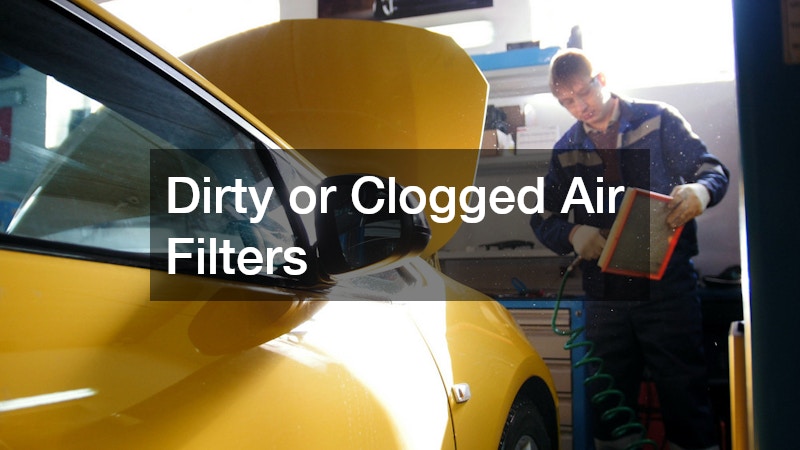
Your engine needs a steady flow of clean air to burn fuel efficiently, and a clogged air filter chokes that airflow. When the filter fills up with dust, debris, and pollen, the engine has to work harder to pull in enough oxygen, which translates directly into sluggish acceleration, hesitation off the line, and even reduced fuel economy.
Most manufacturers recommend replacing your air filter every 12,000 to 15,000 miles, though drivers in dusty, rural, or heavily polluted areas may need to check it more often. A quick visual test can tell you a lot: pull the filter out and hold it up to sunlight. If you can’t see light passing through it, it’s likely too clogged to do its job properly.
This is one of the simplest and cheapest fixes for lost power, yet it is often overlooked during routine maintenance. A replacement filter typically costs between $15 and $30 and takes only a few minutes to swap out yourself, making it one of the best returns on investment for restoring lost performance.
A dirty or clogged air filter restricts the amount of oxygen reaching your engine, which throws off the air-to-fuel ratio your engine needs for efficient combustion. When the engine is starved for air, it compensates by burning more fuel to maintain power, leading to sluggish acceleration, reduced horsepower, and noticeably worse gas mileage. Most manufacturers recommend replacing the air filter every 12,000 to 15,000 miles, though drivers in dusty or heavily polluted areas may need to check it more often.
A visual inspection can tell you a lot. Hold the filter up to a light source; if you cannot see light passing through it, it is time for a replacement.
Beyond the light test, look for visible signs of dirt, dust buildup, or discoloration on the filter’s pleats, as well as any debris or small particles trapped in the folds. A healthy filter should appear off-white or light beige; one that looks gray, brown, or caked with grime has likely been overdue for replacement for a while.
Fortunately, this is one of the easiest and cheapest fixes on this list. Most air filters cost between $15 and $30 and can be swapped out in under ten minutes without any special tools, making it a smart first step before assuming a more serious mechanical issue is to blame for your car’s lost power.
- Check your air filter every 12,000 to 15,000 miles or sooner if you drive in dusty, gravel, or construction-heavy areas
- Pull the filter and hold it up to a light source — if you can’t see light through it, it’s time for a replacement
- Listen for a wheezing, straining, or muffled sound during acceleration, especially under hard throttle
- Watch for reduced gas mileage alongside sluggish performance, since a clogged filter forces the engine to work harder for the same power
- Look for a check engine light or rough idle, as modern sensors can flag airflow restrictions
- Replace filters proactively rather than waiting for total blockage — a cheap $15-30 part beats risking long-term engine strain
Fuel System Problems That Rob Your Engine of Power

Fuel delivery issues are among the top reasons drivers notice a sudden drop in pep. A clogged fuel filter restricts the steady flow of gasoline to the engine, forcing it to work harder to pull in enough fuel, especially under acceleration or when climbing hills. Most manufacturers recommend replacing this filter every 20,000 to 40,000 miles, but drivers who skip routine maintenance often don’t realize it’s overdue until performance suffers.
A failing fuel pump creates a similar problem by not delivering fuel at the pressure and volume your engine needs, particularly at highway speeds or under load. You might notice sputtering, hesitation, or a complete stall before the pump fails outright. Dirty or clogged fuel injectors compound the issue by delivering an uneven or insufficient spray pattern, which throws off the air-fuel mixture and leads to rough idling, misfires, and noticeably reduced power.
These problems tend to worsen gradually rather than appearing overnight, so many drivers write off the early symptoms as normal wear. By the time acceleration feels consistently weak or the check engine light comes on, the underlying fuel system issue has usually been building for weeks or months. Catching these signs early with a fuel system inspection can prevent a minor clog from turning into a costly pump or injector replacement.
A fuel system that’s struggling to keep up can show up as hesitation on acceleration, poor throttle response, or a noticeable dip in power when climbing hills or merging onto the highway. Common culprits include a clogged fuel filter restricting flow, a weakening fuel pump that can’t maintain proper pressure, or dirty injectors that spray fuel unevenly into the cylinders.
If you suspect a fuel-related issue, it is worth scheduling a diagnostic scan rather than guessing. A technician can hook up a fuel pressure gauge to check whether your system is holding the manufacturer’s specified PSI, which often reveals a failing pump or a partially blocked line long before it causes a breakdown.
Many auto repairs related to fuel systems require specialized tools to test pressure and flow accurately, so this isn’t usually a job for basic guesswork or over-the-counter fuel additives alone. Catching the problem early — whether it’s a $30 filter replacement or a pump on its way out — can prevent a full pump failure that leaves you stranded and often saves you from a more expensive tow and repair bill down the road.
- Hesitation or bogging down when accelerating from a stop, often caused by a clogged fuel filter or failing fuel pump unable to keep up with demand
- Engine sputtering or losing power at highway speeds (55+ mph), a sign fuel pressure is dropping under load
- Difficulty starting in cold weather, especially below freezing, which can point to a weak fuel pump, dirty injectors, or water contamination in the tank
- Rough idle or stalling shortly after startup, another symptom of inconsistent fuel delivery
- Unusual fuel smell near the tank or engine bay, which may indicate a leaking fuel line, cracked hose, or faulty pressure regulator
- Noticeable drop in fuel economy over a few weeks, suggesting injectors are dirty and spraying fuel unevenly
Worn Spark Plugs and Ignition Trouble
Spark plugs ignite the fuel-air mixture in your engine, and when they wear out or become fouled with carbon or oil deposits, combustion becomes inconsistent. Most plugs are designed to last between 30,000 and 100,000 miles depending on the material, so skipping replacement intervals can quietly rob you of power long before a check-engine light appears. The result is misfires, rough idling, hesitation during acceleration, and a noticeable dip in horsepower.
Ignition coils and spark plug wiring can also degrade over time, cracking or losing their insulating properties as they age. A failing coil often affects just one cylinder, causing an intermittent stumble that’s easy to mistake for a fuel issue. Left unaddressed, these ignition problems compound each other, straining the catalytic converter and further reducing overall engine performance.
Worn spark plugs are one of the most common—and most overlooked—causes of a car that hesitates or struggles under acceleration. As the electrodes erode over time, the spark becomes weaker and less consistent, causing incomplete combustion, rough idling, and noticeable power loss, especially when merging onto highways or climbing hills.
A visit to a local auto mechanic for a quick diagnostic check can pinpoint exactly which cylinder is misfiring and whether the issue lies with the plugs, coils, or wiring harness. Most shops will pull OBD-II trouble codes (often in the P0300–P0308 range) to confirm misfire patterns and narrow down the faulty component before touching anything under the hood.
Standard copper plugs may need replacing every 20,000 to 30,000 miles, while iridium or platinum plugs can often last 60,000 to 100,000 miles, so it’s worth knowing which type your vehicle uses. Ignition coils and spark plug wiring can also degrade with heat and age, sometimes mimicking the same symptoms as bad plugs, which is why a proper inspection matters.
Replacing spark plugs is typically an affordable fix, often costing between $100 and $300 depending on engine configuration, and it restores smooth power delivery almost immediately once the correct parts and coils are addressed.
- Rough or shaky idle at stoplights, often with RPMs fluctuating between 500-900 instead of holding steady
- Check engine light flashing intermittently, especially when a misfire is detected (trouble codes like P0301-P0308)
- Poor fuel economy despite normal driving habits, sometimes dropping 10-20% as the engine compensates for weak combustion
- Noticeable jerking or hesitation during acceleration, particularly when merging onto highways or climbing hills
- Difficulty starting the engine, especially in cold or damp weather when spark plugs are worn or gapped incorrectly
- A faint burning or fuel-like smell from the exhaust, signaling unburned fuel escaping due to incomplete ignition
Brakes That Do Not Fully Release
A surprising number of sluggish car complaints trace back to the brakes rather than the engine. If a caliper piston seizes due to rust or a worn slide pin, or a parking brake cable stretches and corrodes so it cannot retract fully, the brake pads continue dragging against the rotor even while driving. This creates constant resistance that saps power and can cause the vehicle to pull to one side.
The telltale sign is often heat: after a short drive, a dragging brake will make that wheel’s rim noticeably hotter to the touch than the others, sometimes accompanied by a faint burning smell. Drivers may also notice reduced fuel economy of a few miles per gallon, since the engine is essentially fighting against its own brakes to move forward.
Left unaddressed, this constant friction does more than rob power—it can warp rotors, glaze pads, and shorten brake life significantly. A quick way to check is to jack up the car and spin each wheel by hand; noticeable resistance or grinding on one side compared to the others usually points to a sticking caliper or an under-adjusted parking brake.
A dragging brake often starts small—a seized caliper piston, a corroded slide pin, or a collapsed brake hose that traps pressure in the line—but the effects compound quickly. You may notice the car pulling slightly to one side, a faint burning smell after highway driving, or a wheel that feels noticeably hotter than the others after a short trip. Any of these signs suggest the pads are staying in partial contact with the rotor even when your foot is off the pedal.
Ignoring this issue does more than hurt performance; it also generates excessive heat that can warp rotors, glaze pads, and cause uneven wear patterns that show up as pulsation or vibration during braking. Over time, that constant friction can also degrade wheel bearings and stress hub assemblies, turning a simple fix into a multi-part repair. Fuel economy takes a hit too, since the engine has to work harder to overcome the drag with every rotation of the wheel.
Scheduling a brake repair service at the first sign of dragging can prevent costlier auto brake repairs down the road, including rotor replacement, caliper rebuilding, or full hydraulic line replacement. A technician can quickly pinpoint whether the culprit is mechanical, like a rusted caliper bracket, or hydraulic, such as a swollen brake hose restricting fluid return. Catching the problem early usually means a lower repair bill and a car that regains both its stopping power and its lost acceleration.
- A burning smell coming from one or more wheels, often like hot resin or scorched paint, especially noticeable after short trips or stop-and-go driving
- Uneven tire wear on one side of the vehicle, with that tire showing lower tread depth or a rougher, more worn texture than the others
- The car pulling left or right under normal braking, a sign that one caliper is dragging while the opposite wheel brakes normally
- Visible heat discoloration on the wheel rim or rotor, appearing as a bluish or straw-colored tint from excessive friction-generated heat
- A noticeably warmer wheel or hub compared to the others, which you can sometimes feel by hand shortly after driving
- Reduced fuel economy, since a dragging brake forces the engine to work harder just to maintain normal speed
Underinflated Tires and Alignment Issues
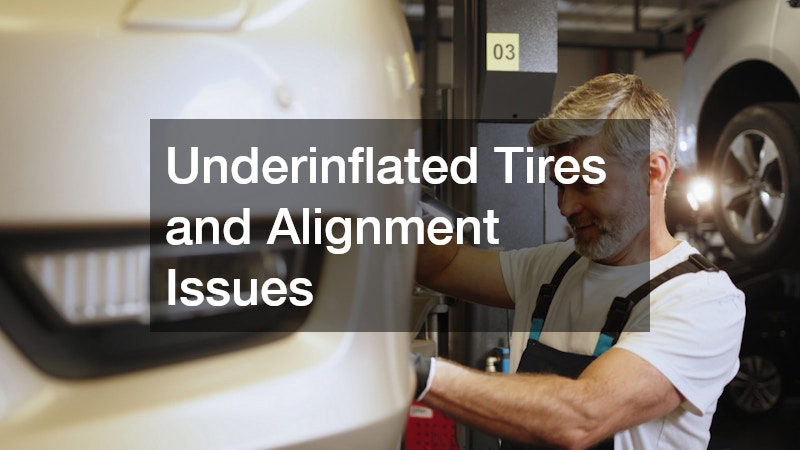
Tires that are underinflated or misaligned create extra rolling resistance, forcing the engine to work harder just to maintain speed. Even 5-6 PSI below the recommended level, commonly found on the driver’s side door jamb sticker, can noticeably increase drag and cut into acceleration and fuel economy. This is one of the most common and easily fixed reasons for a car feeling underpowered, especially during colder months when tire pressure naturally drops roughly 1 PSI for every 10-degree drop in temperature.
Misalignment adds another layer to the problem. When wheels aren’t pointed in the same direction, tires fight against each other, causing uneven tread wear, a subtle pull to one side, and steering vibration alongside that sluggish feeling. Hitting a pothole or curb hard is often enough to knock alignment out of spec, even if there’s no visible damage.
A quick stop at a local tire service can get your pressure levels back to manufacturer specifications in minutes, and a technician can also check alignment angles with a precision rack. Catching these issues early not only restores lost power but also extends tire life and prevents more expensive suspension repairs down the road.
Underinflated tires do more than sap your fuel economy—they increase rolling resistance, forcing your engine to work harder just to maintain speed. Even a drop of 5-6 PSI below the manufacturer’s recommended pressure (usually listed on a sticker inside the driver’s door) can noticeably dull acceleration and responsiveness. Checking pressure monthly with a simple gauge takes less than five minutes and can prevent this drag before it starts.
Beyond inflation, misalignment causes tires to fight against each other rather than rolling smoothly in the same direction. Even a slight camber or toe angle off by a degree or two can create noticeable drag, pulling your car to one side and forcing the engine to compensate. This not only reduces power but also accelerates tread wear unevenly across the tire surface, sometimes shaving thousands of miles off a tire’s expected lifespan.
Watch for warning signs like a steering wheel that sits off-center while driving straight, or feathering patterns on the tire edges—both point to alignment trouble. Investing in wheel alignment services once or twice a year, or whenever you notice uneven wear, hit a significant pothole, or curb your wheel, keeps your vehicle tracking straight and running efficiently. Pairing regular alignment checks with proper tire rotation every 5,000-7,500 miles offers the best defense against sluggish performance.
- Check tire pressure monthly, including the spare, using a reliable gauge rather than eyeballing it
- Match pressure to the PSI listed on the driver’s door jamb sticker, not the number printed on the tire itself
- Check pressure when tires are cold, since driving even a few miles heats the air and skews the reading
- Look for feathering or scalloped wear patterns on tread, which often signal alignment or worn suspension parts
- Compare wear across the inside, center, and outside of each tire to spot uneven inflation or camber issues
- Notice if the steering wheel vibrates at highway speeds, especially between 55-70 mph, which can point to imbalance or misalignment
- Feel for the car drifting or pulling to one side even when driving straight and hands are relaxed on the wheel
- Get an alignment check after hitting a major pothole, curb, or any hard impact, even if nothing seems visibly wrong
Worn Suspension Components Affecting Performance
Your suspension does more than smooth out bumps; it keeps your tires planted firmly on the road so power transfers efficiently to the pavement. Worn shocks, struts, or bushings allow the car to bounce and shift weight unpredictably, which reduces traction and makes acceleration feel weaker than it should. This is especially noticeable during hard acceleration or cornering, when weight transfer is at its peak and any slack in the suspension lets the tires momentarily lose grip.
Bushings, in particular, are easy to overlook. These rubber or polyurethane components connect suspension parts to the frame, and once they crack or soften, they introduce play that translates into sloppy handling and delayed power delivery. Shocks and struts typically need attention somewhere between 50,000 and 100,000 miles, though aggressive driving or rough roads can shorten that lifespan considerably.
Over time, worn suspension also leads to uneven tire wear that compounds the power loss. Cupping, feathering, or excessive wear on one side of the tread reduces the contact patch available for putting power down, so even a healthy engine can feel underpowered. Left unaddressed, this cycle accelerates wear on tires, alignment components, and even drivetrain parts, turning a relatively simple fix into a much costlier repair.
Suspension components wear out gradually, so many drivers adjust to the decline without realizing how much performance they have lost. Shocks and struts typically lose effectiveness between 50,000 and 70,000 miles, though rough roads or frequent heavy loads can shorten that lifespan considerably.
The connection to power isn’t just about comfort—worn suspension parts affect how well your tires maintain contact with the road. When shocks can’t control wheel movement properly, tires bounce slightly on uneven surfaces, reducing traction during acceleration and making the engine’s power delivery feel less direct.
Watch for excessive bouncing after hitting a bump, nose-diving during braking, or a vehicle that sways noticeably through turns. Uneven tire wear patterns can also signal suspension problems long before they become obvious through handling alone.
Scheduling suspension repairs when you first notice these symptoms can restore both comfort and responsiveness. Addressing worn struts, bushings, or sway bar links early also prevents added strain on tires and alignment, saving you from more costly repairs down the road.
- Excessive bouncing after hitting a bump or pothole, often taking more than two or three bounces to settle, signaling worn shocks or struts
- Nose diving noticeably during hard braking, which shifts weight forward and reduces steering control and traction
- Rear squatting or lurching during acceleration, indicating weak rear shocks or sagging springs
- Clunking or knocking noises over rough roads, often caused by worn bushings, ball joints, or sway bar links
- Uneven or cupped tire wear patterns, especially scalloped edges that suggest worn struts failing to keep tires planted
- A noticeably harsher or looser ride quality compared to when the car was new, which often develops gradually and goes unnoticed until performance is significantly affected
Transmission Slipping and Delayed Power Delivery
A transmission that slips or hesitates before engaging can make even a healthy engine feel weak and unresponsive. You might notice the engine revving higher than usual without a corresponding increase in speed, or a brief pause between pressing the gas and actually feeling the car move. This often happens when transmission fluid is low, contaminated, or has broken down from age and heat exposure.
Fluid that’s overdue for a change can turn dark, gritty, or develop a burnt smell, all signs that it’s lost the lubricating and hydraulic properties needed for smooth gear engagement. Most manufacturers recommend fluid changes somewhere between 30,000 and 100,000 miles, depending on the vehicle and driving conditions, though towing or stop-and-go traffic can shorten that interval considerably.
Automatic transmissions are especially sensitive to fluid quality, since they rely on precise hydraulic pressure to shift gears at the right moments. A delay in shifting, a harsh clunk into gear, or noticeable slipping between shifts translates directly into a sluggish, hesitant driving experience—and if ignored, it can lead to more serious and costly transmission damage down the road.
Transmission slipping often shows up as a delay between pressing the gas and feeling the car respond, or an engine that revs higher than usual before the gears catch up. You might also notice the transmission hunting between gears on hills or hesitating during acceleration, both signs that internal clutches or bands aren’t engaging properly.
Because transmission repairs can be expensive if left unaddressed, it is worth having the fluid and filter inspected regularly, typically every 30,000 to 60,000 miles depending on your vehicle and driving conditions. Fluid that looks dark brown or smells burnt is a strong indicator that it has broken down and is no longer protecting internal components the way it should.
Many local auto repair shops offer transmission fluid checks as part of a standard maintenance visit, which can catch early signs of wear before a full rebuild becomes necessary. A simple fluid and filter service usually costs a fraction of what a transmission rebuild or replacement would run, often saving hundreds or even thousands of dollars down the road.
- RPMs flaring up (often 500-1,000 RPM higher than normal) without a matching increase in speed, signaling the transmission is slipping between gears
- Delayed engagement when shifting from park to drive, or a noticeable pause before the car responds to the gas pedal
- Jerky or clunky gear shifts, especially between 1st and 2nd gear or during highway merging
- Burning smell from transmission fluid, usually caused by overheating or friction from worn clutch plates
- Fluid that appears dark brown or black instead of its normal red or pink color
- Low fluid levels or a burnt odor on the dipstick, which often points to overdue fluid changes or an internal leak
Hidden Damage From a Past Collision
If your car has ever been in an accident, even a minor fender bender, hidden structural damage can affect how power reaches the wheels. Bent frames, damaged mounts, or misaligned components are not always visible from the outside but can create drag and imbalance that reduce overall performance. Even a low-speed impact of 10 mph or less can tweak a subframe just enough to throw off suspension geometry or strain a motor mount.
These small shifts often go unnoticed until months later, when uneven tire wear, unusual vibration, or a subtle loss of acceleration starts to appear. Damaged exhaust hangers or crushed piping from an impact can also restrict airflow, quietly choking engine performance without triggering an obvious warning sign.
This is one reason it pays to have a thorough inspection after any collision, no matter how small it seemed at the time. A qualified technician can check frame alignment, mount integrity, and drivetrain components with specialized tools that reveal issues a visual check alone would miss.
Even a minor fender-bender can throw off your car’s alignment or damage components that aren’t visible from the outside, like motor mounts, exhaust systems, or the frame itself. These hidden issues can quietly rob your engine of power, cause uneven tire wear, or make the car pull to one side, all without any obvious sign of prior damage.
Reputable auto collision centers use specialized equipment, such as laser measuring systems and computerized frame diagnostics, to detect misalignments as small as a few millimeters. This level of precision catches structural issues that a basic visual inspection or test drive would completely miss.
Getting this kind of thorough inspection matters even if the accident happened years ago or seemed minor at the time. It ensures that repairs restore not just the appearance of your car but its full mechanical performance, protecting both your safety and your vehicle’s long-term reliability.
- Visible frame or panel misalignment after an accident, such as doors that don’t sit flush or a hood that sits slightly crooked
- Uneven gaps between doors, hood, or trunk—differences of even a few millimeters can signal underlying structural shift
- New vibrations or noises that started after a crash, like steering wheel shake at highway speeds or a clunking sound over bumps
- Warning lights appearing following a collision, especially engine, transmission, or traction control indicators
- Steering that pulls to one side or feels looser than before, often a sign of bent suspension or misaligned components
- Reduced fuel efficiency or rougher idling after repairs, which can point to sensor or wiring damage missed during the initial fix
- Tires wearing unevenly on one side, suggesting the frame or alignment wasn’t fully restored after the impact
The Value of Routine Full Vehicle Inspections
Many power loss issues sneak up gradually, which is why a full inspection at least once or twice a year makes such a difference. Technicians can catch small problems, from a failing sensor to a cracked hose, before they snowball into major repairs that leave you without a car for days. This proactive approach also gives you a chance to budget for repairs rather than facing a surprise breakdown.
A trusted shop that handles a wide range of services can be a convenient one-stop resource for keeping your vehicle in top shape. Some facilities that provide auto tinting services alongside mechanical work can also address other aspects of your vehicle during the same visit, saving you time and multiple trips.
- Schedule inspections at the change of seasons when possible
- Ask for a printed report detailing any issues found
- Keep a maintenance log to track recurring problems
- Address small issues before they affect drivability
A sluggish, underpowered car is rarely caused by just one thing, and the sooner you identify the source, the less it will cost you in the long run. From simple fixes like an air filter swap to more involved work like suspension or transmission repairs, staying attentive to how your car feels behind the wheel pays off. If you have noticed any of the warning signs above, do not wait for the problem to worsen. Schedule an inspection with a qualified technician soon so you can get back to driving with confidence and full power.