Bringing a Damaged Vehicle Back to Showroom Condition Step by Step
A serious car accident can turn a reliable vehicle into a stressful pile of decisions overnight. Between insurance calls, repair estimates, and figuring out who can actually fix the damage right, it is easy to feel overwhelmed. The good news is that most vehicles can be restored to near-original condition when the right professionals handle each stage of the process. This guide walks through exactly what happens from the moment of impact to the final polish, so you know what to expect and how to protect your investment.
Assessing the Damage Immediately After Impact
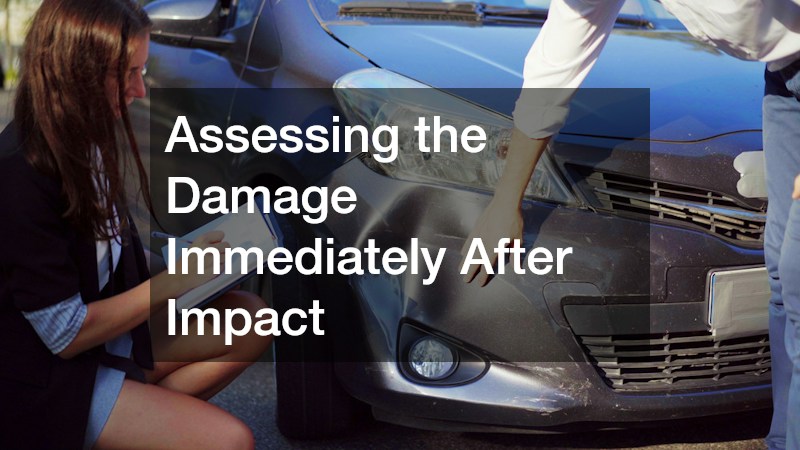
The first steps after a collision set the tone for everything that follows, including how smoothly your claim moves and how thorough the eventual repair will be. Rushing to a body shop without a systematic inspection often means hidden problems surface weeks later, sometimes after the paperwork is already closed. Before any repair work begins, a proper inspection needs to identify both visible and hidden damage, since bent frames and misaligned suspension components are not always obvious at a glance.
A cracked bumper or dented fender might be the only thing you notice, but underneath there could be a tweaked radiator support, a leaking transmission line, or wheel alignment thrown off by even a few degrees. Technicians typically use frame measuring systems and diagnostic scans to check for these issues, since modern vehicles also rely on sensors for airbags, cameras, and parking assist that can be knocked out of calibration in even a low-speed impact. Photographing the scene and the vehicle from multiple angles gives your insurance adjuster and your repair shop a clear starting point.
Aim for wide shots showing the vehicle’s position relative to other cars or obstacles, close-ups of each damaged panel, and images of the interior if airbags deployed or the dashboard was affected. Include the odometer reading and time-stamped shots if possible, since this documentation becomes valuable if there’s ever a question about when or how certain damage occurred.
Skipping this step often leads to disputes later over what damage was pre-existing versus collision-related. Insurers may argue that a scratch or dent was there before the accident, and without clear photographic evidence taken immediately after impact, you have little to counter that claim. Taking the extra ten minutes at the scene, or as soon as it’s safe to do so, can save weeks of back-and-forth during the claims process.
- Check for fluid leaks (oil, coolant, transmission fluid, or gasoline smells), airbag deployment, and structural shifting before driving the vehicle further
- Photograph all visible damage from multiple angles, including close-ups of dents, cracked glass, and misaligned panels
- Document the odometer reading and note every dashboard warning light, especially airbag, ABS, engine, and battery indicators
- Get a police report number if the incident involved another driver, and ask officers for their name and badge number
- Exchange insurance and contact information with any other drivers involved, even for minor fender-benders
- Request a copy of the tow or storage invoice if the car was moved from the scene, noting daily storage fees that can add up quickly
- Ask the tow company or mechanic for an initial safety assessment before attempting to start the engine
- Keep all paperwork together—photos, invoices, police report, and witness contacts—for your insurance claim and repair estimate
Choosing a Repair Facility You Can Trust
Not every shop is equipped to handle every type of damage, so matching the facility to the job matters more than most people realize. A reputable auto body shop should be able to walk you through their repair plan, show you their certifications, and explain what parts they intend to use before work begins. Ask whether they work directly with your insurance company or if you will be handling communication yourself, since this affects both timeline and paperwork. A shop that offers a written estimate and a warranty on their work is generally a safer bet than one that gives vague verbal promises.
- Look for manufacturer certifications relevant to your vehicle’s brand
- Ask how long the shop has been in business locally
- Request references or recent customer reviews
- Confirm whether they use OEM or aftermarket parts
- Verify they offer a written warranty on completed repairs
Restoring the Frame and Structural Integrity
Structural repair is the foundation of everything else that happens to the vehicle, and it is not a step that can be rushed or approximated. Technicians use computerized measuring systems to pull frames back to factory specifications, comparing the vehicle against the manufacturer’s original tolerances down to the millimeter. If the frame is not corrected properly, it can cause uneven tire wear, poor handling, and misaligned panels down the road. This is one of the most technical parts of collision repair, and it typically determines whether a vehicle is truly safe to return to the road.
- Frame straightening machines anchor the vehicle and apply controlled pressure
- Laser measuring systems compare current dimensions to factory specs
- Suspension and steering components are checked for hidden stress damage
- Airbag sensors and seatbelt pretensioners are inspected for proper function
Repairing Body Panels and Exterior Damage
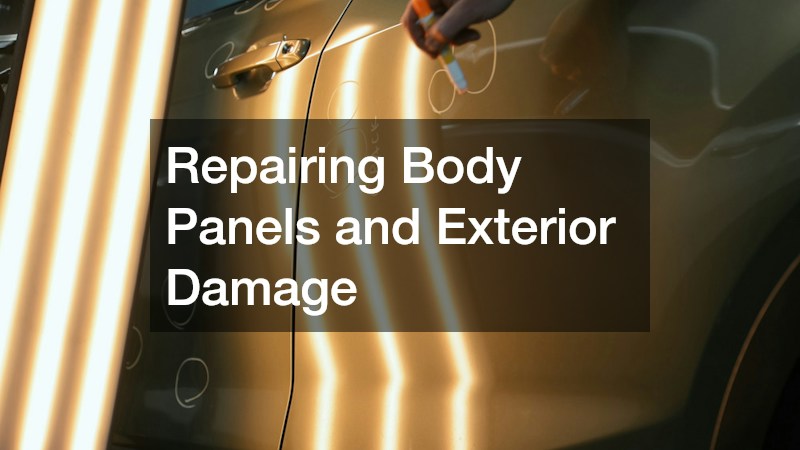
Once the frame is confirmed to be sound, attention shifts to the visible damage that most people associate with car collision repair. Dented panels may be pulled back into shape, while severely damaged sections are often cut out and replaced entirely with new metal or composite panels. Painting technicians then blend the new sections into the existing paint using color-matching technology, so the repaired area does not stand out under sunlight. This stage requires patience, since rushing panel work often leads to visible seams or uneven texture that becomes obvious months later.
- Dent repair techniques vary depending on metal type and damage depth
- Panel replacement is common for severe crumpling or tearing
- Paint booths control temperature and humidity for a flawless finish
- Clear coat application protects the new paint from UV damage and chipping
Addressing Engine and Mechanical System Damage
Body damage tends to get the most attention, but engine and mechanical damage can be far more dangerous if overlooked. A bent frame or misaligned suspension might be visible to the naked eye, but a hairline crack in an engine block or a compromised head gasket often isn’t, and that’s exactly what makes these issues so risky. A certified diesel mechanic is often brought in when the damaged vehicle is a truck or heavy-duty pickup, since these engines require specialized diagnostic tools and training that general repair shops may not have on hand.
Diesel engines run at higher compression ratios and generate more torque stress on internal components, so even minor impact damage can throw off injector timing, damage the turbocharger, or crack fuel lines that general technicians aren’t trained to inspect properly. Cracked engine blocks, damaged radiators, and compromised exhaust systems all need thorough testing before a vehicle is declared roadworthy again. This typically involves pressure-testing the cooling system, checking for oil or coolant contamination, scanning for stored diagnostic trouble codes, and inspecting mounts and belts that may have shifted during impact.
Even a seemingly minor fender-bender can jolt an engine on its mounts enough to misalign pulleys or stress hoses that won’t fail until months later. Ignoring subtle mechanical damage after a collision is one of the most common mistakes vehicle owners make, since problems can surface weeks later under normal driving stress. A vehicle that drives fine in the shop parking lot may overheat on the highway or stall under load once real-world conditions like hills, heat, or towing come into play. That’s why a full mechanical inspection, not just a visual once-over, should be considered non-negotiable before any repaired vehicle is returned to daily use.
- Check engine mounts, belts, and hoses for collision-related stress, tears, or misalignment that could cause vibration or premature failure
- Inspect the cooling system for leaks or cracked components, including the radiator, water pump, and thermostat housing, and pressure-test the system to confirm it holds at the manufacturer’s specified PSI
- Test the transmission for slipping or delayed engagement, checking fluid color and level since burnt or low fluid often signals internal damage from impact
- Confirm exhaust and emissions systems are intact and properly sealed, looking for dented pipes, damaged catalytic converters, or loose oxygen sensor connections
- Scan onboard diagnostic codes to catch hidden sensor or module faults that visual inspection alone might miss
- Verify fluid levels and check for cross-contamination, such as coolant in the oil, which can indicate a cracked block or blown gasket
Handling Emissions Components and Exhaust Repairs
Exhaust and emissions damage is easy to overlook because it is tucked underneath the vehicle, out of sight during a quick visual inspection. A hard impact can crush pipes, loosen mounting brackets, or damage the catalytic converter, which plays a critical role in reducing harmful emissions before they leave the vehicle. Driving with a damaged converter not only fails inspection standards in most states but can also trigger persistent check engine lights and reduced fuel efficiency. Replacing this component correctly requires matching it to the vehicle’s specific emissions system, since an improper fit can cause long-term performance issues.
- Listen for rattling or hissing sounds from underneath the vehicle
- Watch for a sudden drop in fuel economy after a collision
- Have the exhaust system pressure-tested before returning the car to daily use
- Replace damaged heat shields to prevent fire risk
Repairing Brand-Specific and Luxury Vehicle Systems
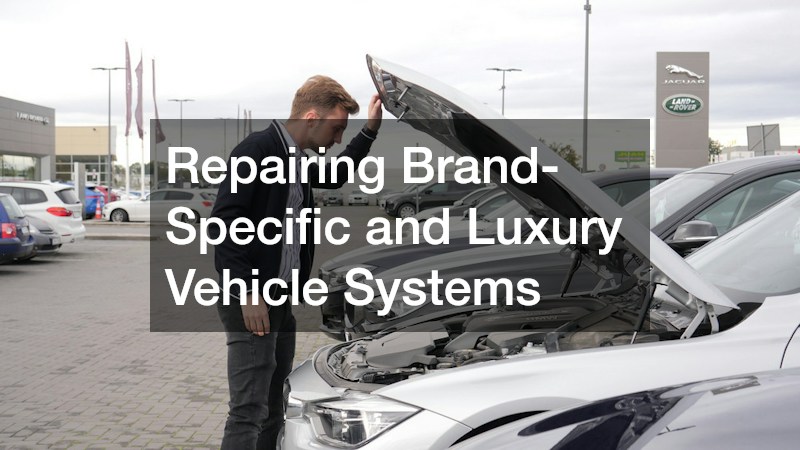
Luxury and European vehicles often have proprietary electronics, sensors, and body materials that differ significantly from mainstream models, which makes brand-specific expertise valuable. BMW repair, for example, frequently involves recalibrating advanced driver assistance systems and adaptive lighting after even moderate collision damage. These systems rely on precise sensor alignment, so a shop without the right diagnostic software may return the car looking fine while critical safety features remain miscalibrated. Vehicle owners with luxury brands should specifically ask whether the shop has manufacturer-specific training and equipment before authorizing repairs.
- Ask if the shop has brand-specific diagnostic scan tools
- Confirm sensor and camera recalibration is included in the repair plan
- Request documentation of software updates performed during repair
- Verify replacement parts match the original manufacturer specifications
Moving Heavy or Immobile Vehicles Safely
Severely damaged vehicles, especially larger trucks or vehicles that have rolled, sometimes cannot be moved with a standard tow truck alone. In these situations, a crane service may be necessary to lift the vehicle safely without causing further structural damage during transport. This is particularly common in commercial accidents involving large trucks, where weight distribution and terrain make standard towing equipment inadequate. Coordinating this kind of specialized transport in advance helps prevent delays once the vehicle reaches the repair facility.
- Confirm the crane operator is licensed and insured for vehicle recovery
- Ask about weight limits and equipment suited to your specific vehicle
- Coordinate timing between the tow company and the repair shop
- Request photos of the vehicle before and after the lift for insurance records
Replacing Vehicles That Cannot Be Restored
Sometimes the damage is severe enough that repair is no longer the most practical option, and insurance may total the vehicle instead. For commercial owners, this often means researching semi truck sales to replace a totaled rig quickly, since downtime directly affects income and delivery schedules. Buyers in this position should compare mileage, engine hours, and maintenance history just as carefully as they would with a personal vehicle purchase. Working with a reputable dealer who provides full inspection reports can prevent buyers from inheriting a new set of mechanical problems.
- Compare engine hours and mileage across similar listings
- Request maintenance and inspection records before purchasing
- Factor in resale value and expected lifespan of the replacement vehicle
- Verify the title is clean and free of prior salvage history
Finishing With Protective Coatings and Final Detailing
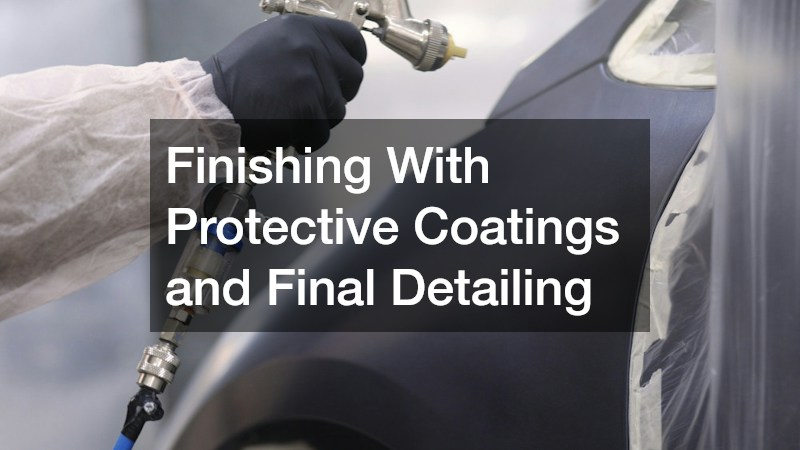
The last stage of bringing a vehicle back to showroom condition is often the most satisfying, since it is where the car finally starts to look complete again. Many owners choose to apply car ceramic coating after major paint or panel work, since it adds a durable protective layer that helps guard against UV damage, minor scratches, and environmental contaminants. This step is optional but increasingly popular among people who want their repaired vehicle to hold its finish for years rather than months. A final detailing pass, including interior cleaning and a thorough inspection, ensures nothing was missed before the car is handed back to its owner.
- Ceramic coating typically lasts one to three years depending on the product used
- Ask the shop for care instructions specific to the coating applied
- Request a final walkaround inspection before accepting the vehicle
- Compare before-and-after photos to confirm all damage was addressed
Restoring a damaged vehicle to showroom condition is rarely a single-step process, but understanding each stage helps you make smarter decisions along the way. From the first assessment after a collision to the final protective coating, choosing qualified professionals at every stage protects both your safety and your investment. Take time to ask questions, request documentation, and confirm certifications before committing to any repair plan. With the right team involved, your vehicle can look and perform like new again, giving you confidence every time you get behind the wheel.