Small Habits That Cut Your Yearly Auto Repair Bills in Half
Most drivers see their mechanic only when something already hurts, and by then the bill reflects months of neglect rather than a quick fix. The good news is that the biggest factor in your annual auto repair costs isn’t luck or the age of your car, it’s the handful of small habits you either keep up with or ignore. A few minutes a month spent checking fluids, tires, and warning lights can prevent the kind of catastrophic failures that cost thousands instead of hundreds. This article breaks down the specific habits that keep repair bills low, no matter what you drive.

Check Your Fluid Levels Every Month
Engine oil, coolant, brake fluid, and transmission fluid all break down or leak over time, and low levels are often the earliest warning sign of a bigger problem. A monthly five-minute check with the engine cool can catch a slow leak before it turns into a seized engine or a warped transmission. Most owners manuals include a simple diagram showing where each dipstick or reservoir is located, so you do not need any mechanical background to do this yourself.
Skipping fluid checks is one of the fastest ways to turn a cheap fix into an expensive one. A coolant leak ignored for a few weeks can overheat an engine and crack a head gasket, turning a fifteen dollar hose clamp into a repair costing thousands.
- Check oil level and color monthly, topping off if it is more than half a quart low
- Inspect coolant reservoir when the engine is cold, never remove a hot radiator cap
- Look under the car for fresh spots or drips after it has been parked overnight
- Note any burning or sweet smells, which often signal an oil or coolant leak
Rotate and Inspect Tires on a Regular Schedule
Tires are one of the few parts of your car that touch the road, and uneven wear can quietly wreck your alignment, suspension, and fuel economy. Rotating tires every 5,000 to 7,500 miles spreads out wear evenly, which extends tire life and reduces strain on other components. A quick monthly glance at tread depth and sidewalls can also catch bulges or embedded debris before they cause a blowout.
Proper tire pressure matters just as much as rotation. Underinflated tires generate excess heat and wear faster, while overinflated tires reduce traction and ride comfort, both of which shorten the life of the tire and put extra stress on the suspension system.
- Check tire pressure monthly using a digital gauge, not just a visual glance
- Rotate tires at every other oil change to keep wear even
- Use the penny test to check tread depth, replacing tires below 2/32 of an inch
- Watch for vibration at highway speed, which often signals a balance or alignment issue
Address Warning Lights the Same Week They Appear
A dashboard warning light is your car’s earliest and cheapest form of communication, yet many drivers wait weeks or months before getting it checked. Waiting on a check engine light because the car still drives fine is one of the most common reasons small issues become major repairs. A basic code scan at a parts store or independent shop typically costs nothing and gives you a starting point for diagnosis.
Not all warning lights carry equal urgency, so it helps to know which ones demand immediate attention. Oil pressure and temperature warnings mean you should pull over as soon as it is safe, while a loose gas cap might just trigger a check engine light with no real damage happening yet. Understanding the difference keeps you from either panicking unnecessarily or ignoring something serious.
- Treat oil pressure and temperature lights as pull over immediately situations
- Get check engine lights scanned within a few days, not months
- Write down when the light came on and any symptoms you noticed
- Avoid clearing codes yourself without understanding what triggered them
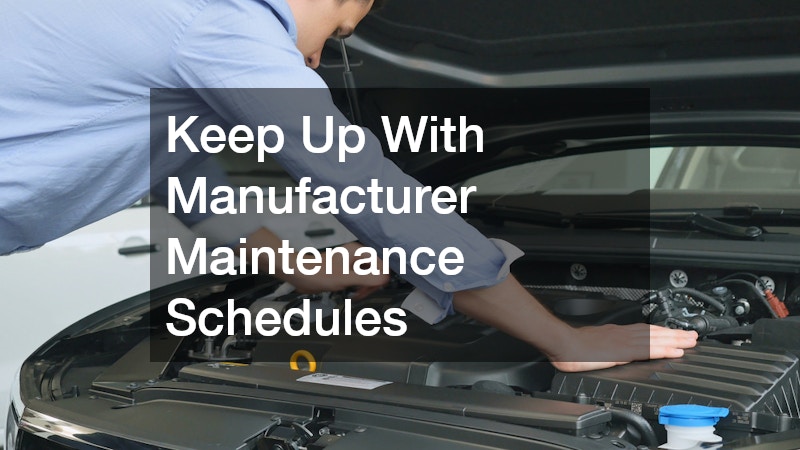
Keep Up With Manufacturer Maintenance Schedules
Every vehicle comes with a maintenance schedule based on mileage and time, covering everything from air filters to timing belts, and skipping these intervals is one of the quietest ways repair costs creep up. Owners of performance and luxury vehicles feel this especially, since a missed service interval on something like a Porsche repair schedule can lead to far more expensive engine or transmission work down the road. Sticking to the schedule, even when the car feels fine, is almost always cheaper than waiting for a symptom to show up.
Keeping records of every service also pays off later, both for troubleshooting recurring issues and for resale value. A well documented maintenance history shows a future buyer, or even your future self, exactly what has been done and what is coming up next.
- Follow the mileage based schedule in your owners manual, not just a generic yearly checkup
- Keep digital or paper receipts for every service performed
- Pay special attention to timing belt, spark plug, and transmission fluid intervals
- Ask your shop for a written estimate of upcoming services at each visit
Watch for Early Signs of Emissions System Trouble
Emissions components are often overlooked until a car fails inspection or the check engine light comes on, but a few early warning signs can save you from a costly replacement. Rattling noises from underneath the car, a sulfur or rotten egg smell, and reduced acceleration can all point to a failing catalytic converter, which is one of the more expensive single components to replace. Addressing a misfire or an oxygen sensor issue quickly can prevent the excess heat and unburned fuel that damage this part in the first place.
Because a catalytic converter is a common theft target and a pricey repair, prevention is far cheaper than replacement. Regular oil changes and prompt attention to engine misfires go a long way toward protecting it, since a poorly running engine is the most common reason this part fails prematurely.
- Listen for rattling under the car, which can indicate a failing converter
- Note any rotten egg smell coming from the exhaust
- Fix engine misfires and oxygen sensor codes promptly to protect the converter
- Consider a catalytic converter anti theft device if you park on the street often
None of these habits require mechanical expertise or a big time investment, just consistency and a willingness to act on small warning signs. Building even two or three of these routines into your monthly schedule can meaningfully reduce how often you find yourself facing a surprise repair bill. Start with the habit that feels easiest, whether that is a monthly fluid check or paying closer attention to your dashboard lights, and build from there. Over a year, these small actions add up to real savings and a car that lasts longer with fewer surprises.