Essential Maintenance Tips for Keeping Your Older Car Running

Every classic, vintage, or high-mileage vehicle carries a unique story. Whether you are cruising in a beautifully preserved VW Super Beetle, maintaining a beloved daily driver past the 200,000-mile mark, or nurturing an ongoing project car, keeping an older vehicle reliable demands a different mindset than servicing a modern showroom model. Modern vehicles often rely on automated sensors to warn drivers of impending failures, but older cars rely on you—your eyes, ears, and proactive maintenance habits.
Longevity is rarely a matter of luck. It is the direct result of a systematic approach to preventive maintenance, environmental preservation, mechanical care, and knowing how to handle unexpected setbacks on the road. By following a structured approach to caring for your vehicle’s engine, chassis, exterior, and electrical systems, you can keep your car performing safely and dependably for decades to come.
Vital Mechanical Systems: Engine and Drivetrain Care
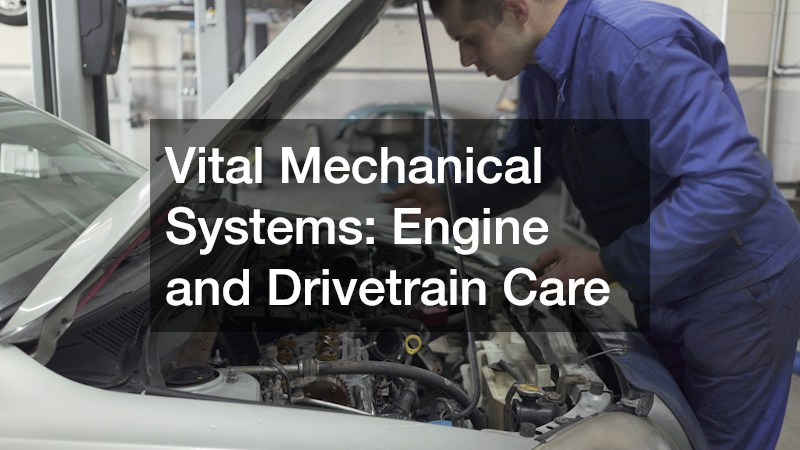
The heart of any long-lasting vehicle is its powertrain. As internal components age, mechanical tolerances widen, seals lose elasticity, and thermal stress takes a toll on metal surfaces. Keeping an older drivetrain smooth and responsive requires moving beyond standard factory oil change intervals and taking a comprehensive approach to fluid management and mechanical tuning.
- Implement Zinc-Rich and High-Mileage Lubricants: Older valvetrain designs, particularly engines with flat-tappet camshafts, require higher levels of Zinc Dialkyldithiophosphate (ZDDP) to reduce friction between moving parts. Modern synthetic oils designed for newer emissions systems often lack sufficient ZDDP, which can lead to rapid camshaft wear. Choose oils specifically formulated for vintage or high-mileage engines.
- Establish Shortened Fluid Change Intervals: Thermal cycling causes internal condensation, which degrades engine oil, coolant, transmission fluid, and differential lubricants faster in older engines. Flushing these fluids before they break down prevents sludge accumulation and internal corrosion.
- Monitor Gaskets and Seals Proactively: Rubber and cork gaskets dry out and harden over time. Inspect the oil pan, valve covers, front and rear main seals, and timing covers regularly for slow weeping. Catching minor seeps early prevents low fluid levels that cause friction damage.
Eventually, every engine reaches a point where routine oil changes and valve adjustments are no longer enough to maintain proper compression and oil pressure. Excessive blow-by, low cylinder compression, and persistent valvetrain noise are clear indicators that internal wear has progressed significantly. In these situations, undertaking an auto engine rebuild can completely restore the factory tolerances, horsepower, and long-term dependability of your vehicle’s powerplant, essentially giving your car a brand-new mechanical lease on life.
Proper tuning is equally critical for fuel delivery and ignition. Carbed engines or early mechanical fuel injection setups must be adjusted to account for modern, ethanol-blended fuels, which burn hotter and can degrade non-synthetic rubber fuel lines. Inspecting fuel lines for cracking, changing inline fuel filters, and checking ignition timing twice a year will prevent lean running conditions that lead to severe engine damage.
Preserving Structure, Frame, and Exterior Paintwork
Mechanical reliability means little if the vehicle’s body and frame succumb to environmental decay. Rust is the ultimate enemy of older automobiles, silently weakening structural chassis members and eating through delicate sheet metal. Preserving your vehicle’s body requires consistent cleaning, effective moisture barriers, and advanced paint protection strategies.
To shield your car’s body from moisture and debris, pay close attention to the following maintenance areas:
- Clean Drain Channels and Cavities: Leaves, dirt, and road grime collect inside cowl drains, door bottoms, rocker panels, and sunroof drain tubes. Trapped debris holds moisture against raw metal, creating the perfect environment for rust to form from the inside out. Clear these channels regularly using compressed air or soft wire.
- Apply Fluid-Film and Creep Inhibitors: Spraying rust-inhibiting oils inside frame rails, door cavities, and undercarriage crossmembers forms a protective barrier that repels water and halts minor surface oxidation before it spreads.
- Wash the Undercarriage Periodically: Road salt, de-icing chemicals, and mud collect in hard-to-reach pockets beneath the chassis. Thoroughly pressure-washing the underside of the car—especially after winter driving—is vital to long-term frame preservation.
Maintaining the exterior finish goes beyond cosmetic pride; it preserves the physical skin protecting the metal underneath. Over time, original lacquer, enamel, or early clear-coat finishes become porous due to UV exposure, oxidation, and bird droppings. Applying a modern auto ceramic coating creates an ultra-durable, hydrophobic shield over the paintwork. This advanced layer blocks harmful ultraviolet rays, prevents environmental contaminants from etching into the finish, and makes routine washing significantly easier without stripping away delicate vintage paint layers.
Suspension, Brakes, and Electrical Reliability
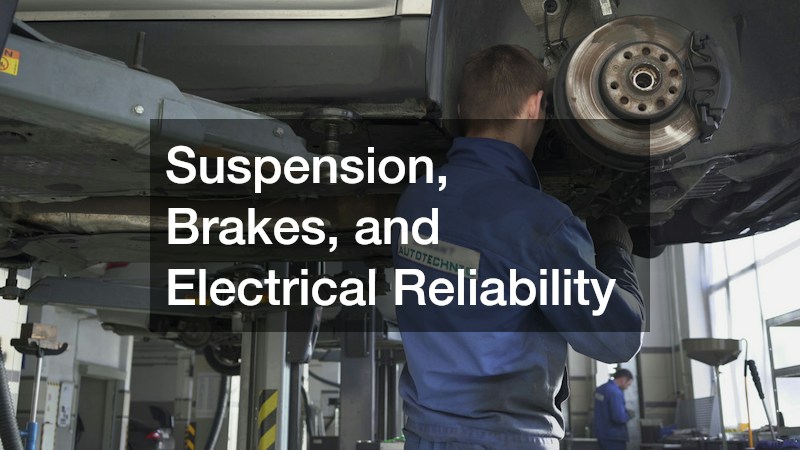
A reliable car must stop and steer just as predictably as it accelerates. Suspension components and brake systems degrade gradually over thousands of miles, making it easy for drivers to adapt to sloppy steering or increased stopping distances without realizing how unsafe the vehicle has become.
Rubber bushings in the control arms, sway bars, and strut mounts dry-rot and crack with age, leading to loose handling and uneven tire wear. Replacing these components with fresh rubber or polyurethane restores steering precision. Similarly, checking ball joints, tie rod ends, and steering boxes for play ensures that the vehicle maintains proper alignment under load.
Brake systems require meticulous attention. Hydraulic fluid is hygroscopic, meaning it absorbs moisture directly from the atmosphere over time. This trapped water lowers the boiling point of the brake fluid and causes internal corrosion in wheel cylinders, calipers, and master cylinders. Flushing the brake fluid every two years prevents pedal fade and protects expensive hydraulic hardware. Additionally, replacing old rubber brake hoses with stainless-steel braided lines improves pedal feel and eliminates the risk of internal line collapse.
Electrical systems on older vehicles are notoriously prone to voltage drops and unexpected failures. Copper wiring corrodes inside its insulation, factory grounds loosen, and original fuse boxes build up resistance.
To maintain electrical health:
- Clean all chassis and engine ground points down to bare metal and seal them with dielectric grease.
- Inspect original wiring looms for brittle, cracked, or exposed insulation that could cause short circuits.
- Upgrade older mechanical voltage regulators to solid-state units to maintain steady system voltage.
- Ensure the alternator or generator output matches the electrical load of any modern accessories you have added.
Safe Transport and Breakdown Preparedness
Even the most meticulously maintained older car can experience an unexpected failure on the open road. Being prepared for road emergencies involves carrying a well-curated tool set and knowing how to safely transport a disabled vehicle without causing secondary damage to its chassis or bodywork.
Every vintage car trunk should be stocked with a dedicated emergency kit tailored to the vehicle’s specific vulnerabilities. Essential items include:
- A basic set of hand tools, including metric or SAE wrenches, pliers, and screwdrivers.
- Spare ignition components such as points, a condenser, rotor cap, or extra spark plugs.
- Extra fluids, including engine oil, coolant, and brake fluid.
- A functional spare tire, a hydraulic bottle jack, and a sturdy lug wrench.
- Fuses, electrical tape, wire ties, and a portable jump-starter pack.
When a mechanical issue cannot be fixed on the roadside, getting your car to a garage safely is the top priority. Older vehicles often feature low front air dams, delicate chrome bumpers, or specific suspension geometries that can be severely damaged by traditional hook-and-chain tow trucks. Utilizing a professional flat tow service ensures that all four wheels are elevated safely off the pavement, eliminating drivetrain wear and preventing bumper damage during transport.
Choosing the right roadside assistance team is equally important. Calling a specialized towing company that understands the delicate nature of classic or customized vehicles ensures that proper tie-down techniques are used. Securing the car by its tires or designated chassis points—rather than delicate suspension arms—prevents bent components and body misalignments during transit.
Cosmetic and Structural Body Restoration Guidelines
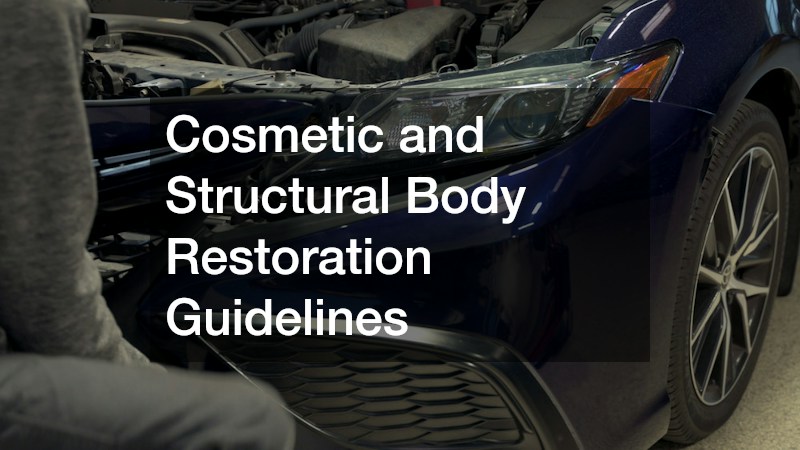
As vehicles age, addressing minor body damage, stress cracks, and panel misalignments becomes an essential part of maintenance. Ignoring small dents, chipped paint, or misaligned doors allows rust to take hold and gradually compromises the structural integrity of the entire body shell.
When cosmetic damage or structural wear occurs, addressing it quickly prevents compound issues down the road. High-quality auto body repairs involve far more than smoothing over damage with body filler. True craftsmanship for auto body repairs requires pulling metal back to its original contours, welding in fresh patch panels where rust has penetrated, and aligning body gaps to factory specifications to ensure doors and lids latch smoothly without binding.
Sourcing replacement parts for older models often requires creative problem-solving, especially when factory original components are out of production. While high-quality aftermarket reproductions exist for popular models, finding original sheet metal, glass, and trim often involves searching for clean donor parts from discarded used cars. Salvaged panels frequently offer better fitment and metal thickness than modern reproduction parts, making them an invaluable resource for authentic body restoration.
Proper alignment of the frame and body panels also ensures that weatherstripping seals tightly. Replacing worn door, trunk, and window seals keeps wind noise to a minimum and prevents rainwater from leaking into the cabin, where it can rot carpets and floorboards unnoticed.
Navigating Post-Accident Care and Modern Inspections
Experiencing an accident in an older vehicle can be stressful, but taking the correct steps following a collision helps preserve both your safety and the investment you have made in your car. Because older metals and structural designs react differently to impacts than modern crumple zones, expert repair techniques are required to restore safety and structural soundness.
Selecting the right facility for post-incident work is the most crucial decision you will make. Entrusting your vehicle to a specialized local auto body shop that has proven experience working on classic or high-mileage automobiles guarantees that traditional metalworking techniques and appropriate welding methods are applied. These specialists understand how to repair older unibody structures and body-on-frame designs without causing unintended heat distortion to surrounding panels.
When restoring a vehicle after an impact, performing a comprehensive collision repair requires verifying that the chassis frame is completely straight. Using laser-guided frame alignment equipment, technicians can pull the vehicle’s structural points back to precise factory dimensions, ensuring predictable handling and proper alignment moving forward.
Modern accident investigations and insurance assessments on newer or modified vehicles often involve sophisticated digital diagnostics. In post-1996 models or updated classics featuring electronic control modules, insurance adjusters and investigators may utilize automotive crash data retrieval systems to analyze vehicle speed, braking inputs, and system performance at the exact moment of an impact. Having clear diagnostic data helps streamline insurance claims and ensures that all underlying mechanical or electronic faults caused by the incident are fully identified and repaired before the vehicle returns to the road.
Structural Preservation: Long-Term Body and Frame Integrity
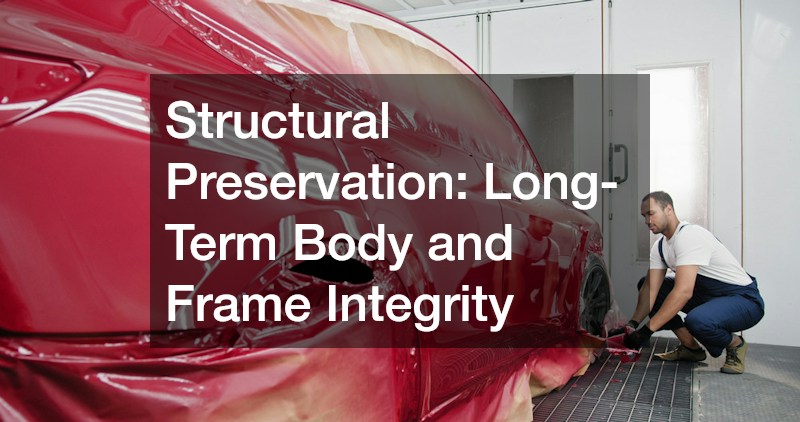
The long-term durability of an older automobile depends heavily on the structural health of its unibody chassis or body-on-frame foundation. Over decades of driving, constant torsional flexing, road vibration, and exposure to moisture can cause subtle metal fatigue, hairline stress cracks, and hidden rust deterioration around critical suspension mounting points.
Inspecting and maintaining these structural areas requires a methodical approach:
- Examine Shock Towers and Subframes: Look closely for rust bubbling, seam separation, or spiderweb cracks around front and rear strut mounts and subframe attachment points.
- Check Rocker Panels and A-Pillars: These key structural members provide rigidity to the passenger compartment. Ensure internal drain holes remain clear and rust-free.
- Inspect Floor Pan Seams: Factory seam sealer eventually dries out, cracks, and flakes away, allowing water thrown up by the tires to seep between overlapping metal sheets.
When structural weaknesses or rust perforations are discovered, swift action is needed to prevent frame twist and unsafe flex. Working alongside an experienced auto body technician allows you to properly cut out compromised metal, fabricate custom steel reinforcement plates, and MIG or TIG weld new material securely into place. Re-sealing all repaired seams with heavy-duty automotive seam sealers and applying rubberized undercoating creates a durable, weather-resistant barrier that protects the frame structure for years to come.
Proper structural care also extends to door alignment and latching mechanisms. If doors begin to sag or require slamming to close, it is often a sign of worn door hinge bushings or subtle body flex. Replacing worn hinge pins and adjusting latch striker plates restores crisp door closure, prevents water leaks, and maintains the proper structural load distribution across the body shell when driving over uneven road surfaces.