Regular Car Maintenance: A Complete Checklist for Every Driver
Key Takeaways
-
Follow a consistent maintenance schedule. Use your owner’s manual to determine when to service your vehicle based on its mileage, age, and driving conditions.
-
Check tires and essential fluids regularly. Monitor tire pressure, tread wear, engine oil, coolant, brake fluid, and other fluids to identify potential problems early.
-
Replace worn components on time. Keep up with oil and filter changes, battery inspections, and scheduled maintenance to help prevent avoidable mechanical failures.
-
Inspect brakes, suspension, and electrical systems. Address unusual noises, vibrations, handling changes, and starting problems before they become more serious.
-
Prepare your vehicle before long trips. Check tires, lights, fluids, brakes, and battery condition, and keep emergency supplies and assistance contacts accessible.
-
Respond promptly to warning signs. Dashboard alerts, fluid leaks, overheating, and reduced performance may indicate problems that require professional diagnosis.
-
Keep maintenance records and budget for repairs. Track service dates, mileage, replaced parts, and upcoming maintenance to manage expenses and extend your vehicle’s useful life.
Regular car maintenance is one of the most effective ways to keep your vehicle safe, reliable, and ready for everyday driving. From checking tire pressure and changing engine oil to inspecting the brakes and testing the battery, small maintenance tasks can prevent bigger problems over time. However, knowing what to check and when to schedule service can be confusing, especially for first-time car owners. A consistent maintenance routine helps you protect your investment, improve fuel efficiency, and reduce the risk of unexpected breakdowns. This guide covers the essential vehicle checks every driver should understand, how often to perform them, and when professional servicing is necessary.
Why Is Regular Car Maintenance Important?
Keeping your vehicle in good condition involves more than fixing problems after they appear. Many automotive components wear down gradually, and early warning signs may be easy to overlook during everyday driving. Routine inspections help identify these issues before they affect your vehicle’s performance, reliability, or safety. Following a consistent maintenance schedule can also help you manage repair expenses, extend the useful life of important components, and maintain your car’s resale value. Whether you drive a few miles each day or regularly take long trips, understanding the benefits of preventive care makes it easier to prioritize the tasks that matter most.
1. It Helps Prevent Costly Repairs
A small mechanical issue can become a much larger problem when left unattended. For example, worn brake pads can damage rotors, while low engine oil can increase friction and contribute to serious engine damage. Regular inspections give technicians an opportunity to identify developing problems before they require extensive repairs.
Preventive maintenance does not eliminate every possible failure, but it can reduce the likelihood of avoidable breakdowns and help you plan expenses instead of facing unexpected repair bills.
2. It Improves Safety and Reliability
Your vehicle depends on several systems working together to keep you in control. Properly inflated tires, responsive brakes, functioning lights, and healthy suspension components all contribute to safer driving.
Regular checks can reveal problems that affect stopping distance, visibility, steering, or traction. Addressing these issues promptly helps you maintain better control of your vehicle in changing road and weather conditions.
3. It Supports Fuel Efficiency and Vehicle Longevity
A well-maintained vehicle generally operates more efficiently than one with neglected components. Correct tire pressure, clean filters, suitable engine oil, and properly functioning ignition and fuel systems help reduce unnecessary strain.
Routine maintenance also allows you to monitor wear over time. Replacing components according to the manufacturer’s recommendations can help protect connected systems and keep your vehicle dependable for longer.
What Should You Check on Your Car Every Month?
Monthly vehicle checks help you catch visible problems between scheduled service appointments. These inspections do not require advanced mechanical knowledge or specialized equipment. In many cases, a tire pressure gauge, a flashlight, and a few minutes of attention are enough to identify something that needs further investigation. Always park on a level surface, switch off the engine, and follow your owner’s manual before checking components under the hood. Never open a hot cooling system or work beneath a vehicle supported only by a jack. Use the following checklist to monitor the most important areas of your car.
1. Inspect Tire Pressure and Condition
Tires affect steering, braking, traction, and fuel economy, so checking them should be a priority. Underinflated tires create additional rolling resistance and can overheat, while overinflated tires may reduce traction and wear unevenly.
Check tire pressure when the tires are cold and compare the readings with the recommended pressure listed on the driver’s door placard or in the owner’s manual. Do not use the maximum pressure printed on the tire sidewall as your target.
During the inspection, look for:
- Low pressure: Inflate tires to the vehicle manufacturer’s recommended PSI.
- Uneven tread wear: This may indicate alignment problems, incorrect inflation, or worn suspension components.
- Cuts, cracks, or bulges: These can signal damage that requires professional assessment.
- Embedded objects: Nails or screws may cause slow leaks even when a tire appears normal.
- Spare tire condition: Confirm that the spare is properly inflated and usable if your vehicle has one.
If a tire repeatedly loses pressure, have it inspected rather than simply adding air each time.
2. Check Engine Oil and Other Essential Fluids
Engine oil lubricates moving parts, helps manage heat, and reduces friction. Checking the oil level regularly can help you spot leaks or excessive oil consumption before they lead to damage.
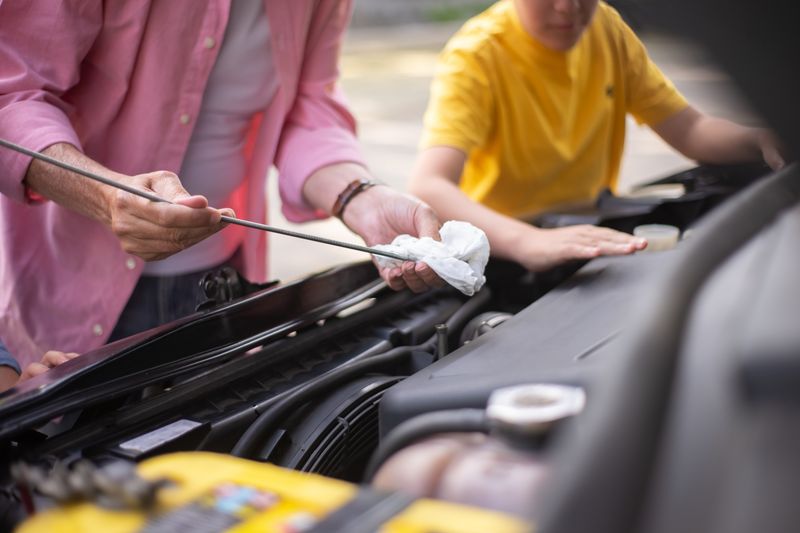
Follow the owner’s manual for the correct checking procedure. On vehicles with a dipstick, park on level ground, switch off the engine, allow the oil to settle as directed, and read the level according to the manufacturer’s instructions. Use only the specified oil grade when topping it up.
Other fluids also deserve attention:
- Engine coolant: Check the reservoir level when the engine is cool. Never remove a hot radiator cap.
- Brake fluid: A low level may indicate a leak or worn brake components and should be investigated.
- Windshield washer fluid: Refill it as needed to maintain clear visibility.
- Transmission fluid: Check it only if your vehicle’s manufacturer provides a suitable procedure; some vehicles require specialized equipment.
- Power steering fluid: Inspect the reservoir if your vehicle uses a hydraulic system rather than electric power steering.
Fluid color and appearance can offer clues, but they are not always enough to confirm a problem. Seek professional advice if you notice unusual smells, contamination, persistent low levels, or unexplained leaks.
3. Test Lights, Wipers, and Windshield Condition
Visibility is essential in heavy rain, fog, darkness, and heavy traffic. Check your headlights, brake lights, turn signals, hazard lights, and reverse lights regularly. Ask another person to help confirm that the rear lights work correctly.
Inspect windshield wipers for cracks, streaking, or skipping across the glass. Replace worn blades when they no longer clear water effectively. Keep the windshield clean inside and out, and address chips or cracks before they spread and obstruct your view.
Which Maintenance Tasks Should You Schedule Every Few Months?
Some maintenance tasks require more than a quick visual inspection. Depending on your driving habits, vehicle age, and manufacturer’s recommendations, certain components need periodic cleaning, testing, adjustment, or replacement. A car used for frequent short trips, heavy traffic, dusty roads, towing, or extreme temperatures may need attention sooner than a vehicle driven mainly on open highways. Rather than relying on one universal timetable, use the service intervals specified for your particular model and adjust them when the manufacturer advises it. These recurring checks help you identify wear early and keep your vehicle ready for everyday commuting and longer journeys.
1. Replace Engine Oil and the Oil Filter on Schedule
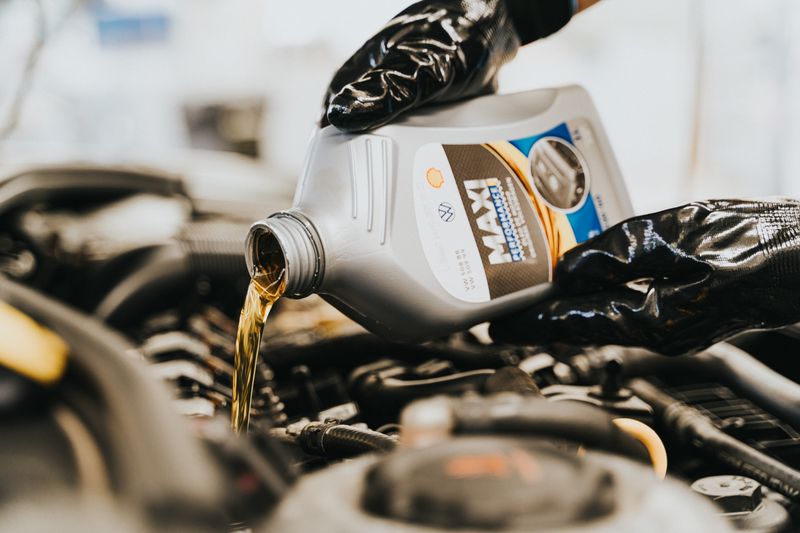
Engine oil gradually loses some of its effectiveness as it accumulates heat, contaminants, and combustion by-products. The oil filter also collects particles that should not continue circulating through the engine. Changing both according to the manufacturer’s recommended interval helps maintain proper lubrication.
Service intervals vary widely. Some vehicles use longer oil-change intervals, while certain engines or driving conditions require more frequent service. Follow the maintenance schedule for your vehicle’s engine and oil specification rather than assuming every car needs an oil change at the same mileage.
Keep records of oil changes, including the date, odometer reading, oil grade, and filter used. These records make it easier to track upcoming service and demonstrate that the vehicle has been maintained.
2. Inspect the Battery and Electrical System
A weak battery can cause slow engine cranking, dim lights, and starting problems. Batteries also deteriorate with age, temperature changes, and repeated deep discharges.
Look for corrosion around the terminals, damaged cables, loose connections, or a swollen battery case. Avoid touching leaking battery fluid, and do not attempt electrical work unless you understand the required safety precautions.
A battery test can measure its ability to supply power under load. If the battery is repeatedly discharged, ask a technician to check the charging system as well. Replacing a battery without identifying an underlying alternator or electrical problem may not solve recurring starting issues.
3. Inspect the Air Filter and Cabin Filter
The engine air filter helps prevent dust and debris from entering the engine, while the cabin air filter helps keep incoming ventilation air cleaner. Both filters can become restricted over time, although their replacement intervals depend on the vehicle and driving environment.
Inspect them according to the owner’s manual, particularly if you frequently drive on dusty roads or in areas with heavy pollution. A dirty engine air filter may contribute to reduced performance, while a clogged cabin filter can weaken airflow through the ventilation system.
If you are trying to understand why your car feels sluggish, a restricted air filter is one possible cause, but it is not the only explanation. Fuel delivery problems, ignition faults, transmission trouble, and other mechanical issues can produce similar symptoms. Persistent power loss deserves a proper diagnosis instead of replacing parts based on guesswork.
4. Monitor Brakes and Suspension Components
Your braking system should be inspected at the intervals specified by the manufacturer and whenever you notice unusual behavior. Brake pads, rotors, calipers, hoses, and fluid condition all affect stopping performance.
Arrange an inspection if you experience:
- Squealing, grinding, or other unusual braking noises.
- A brake pedal that feels soft or sinks unusually.
- Vibrations while braking.
- Pulling to one side during normal braking.
- A brake warning light or a noticeable change in stopping performance.
Suspension components also require attention. Worn shocks, struts, bushings, and steering parts can affect ride quality, tire wear, and vehicle control. Clunking sounds, excessive bouncing, or unusual steering behavior should be checked by a qualified technician.
How Often Should You Follow a Car Maintenance Schedule?
The right maintenance schedule depends on your vehicle’s design, mileage, age, and operating conditions. Although many drivers remember oil changes, other tasks—such as replacing filters, inspecting brakes, checking coolant, and servicing transmission components—can be overlooked without a written plan. Your owner’s manual should be the main reference because it identifies the service intervals and specifications intended for your vehicle. The checklist below offers a practical starting point, not a substitute for manufacturer guidance. Use it to organize recurring inspections, then adjust the timing based on your service history, warning signs, and any recommendations from a qualified automotive technician.
| Frequency | Maintenance tasks |
|---|---|
| Monthly | Check tire pressure and visible tire damage, inspect fluid levels, test lights, and check wipers. |
| Every 3–6 months | Review battery condition, inspect filters when due, check for leaks, and monitor brake and suspension symptoms. |
| At the manufacturer’s oil-change interval | Replace engine oil and the oil filter as specified for your vehicle. |
| At the manufacturer’s service intervals | Inspect or replace spark plugs, filters, coolant, brake fluid, and other scheduled components as required. |
| Before a long trip | Check tires, lights, fluids, wipers, spare tire, and any unresolved warning signs. |
| At least annually, or as recommended | Review the maintenance record and arrange a comprehensive inspection if appropriate for your vehicle’s service plan. |
Some components have time-based replacement intervals even when the car has covered relatively few miles. Rubber parts, fluids, and batteries can deteriorate with age, so low annual mileage does not mean that maintenance can be ignored.
What Should You Check Before a Long Road Trip?
A pre-trip inspection helps reduce the chance that a preventable problem will interrupt your journey. Long drives place sustained demands on tires, the engine, cooling system, brakes, and other components. If you are traveling through remote areas or unfamiliar roads, a breakdown can also make it harder to find a repair shop or replacement parts quickly. Complete basic checks several days before departure so there is time to arrange repairs if necessary. Avoid waiting until the morning of your trip to investigate warning lights, unusual noises, or leaks. A little preparation can help you travel with greater confidence and respond more calmly if an unexpected issue occurs.
Use This Pre-Trip Checklist
- Check tires and the spare. Confirm pressure, tread condition, and visible tire damage. Make sure you have the tools needed to change a tire if your vehicle is equipped for it.
- Inspect fluids. Verify that engine oil, coolant, and washer fluid are at appropriate levels. Investigate any unexplained loss.
- Test all lights. Confirm that headlights, brake lights, indicators, and hazard lights work properly.
- Check the brakes. Do not begin a long trip if you notice grinding, unusual vibration, or changes in pedal feel.
- Test the battery. If starting has been slow or the battery is old, have it checked before leaving.
- Review dashboard warnings. Resolve warning lights and known mechanical problems before traveling.
- Pack basic emergency supplies. Consider a flashlight, reflective warning equipment, a first-aid kit, drinking water, and a phone charger.
- Save assistance contacts. Keep your roadside assistance provider’s details and your vehicle insurer’s emergency contact information accessible.
Preparation can also help you manage emergency roadside assistance costs if you experience a breakdown. Review your plan’s towing limits, service exclusions, and potential out-of-pocket charges before you travel. Confirm whether the provider covers the areas on your route and whether you must use an approved service company.
If your vehicle develops a serious problem during the trip, prioritize safety. Pull over somewhere safe when possible, activate your hazard lights, and follow local roadside safety guidance. Do not continue driving if the brakes, steering, tires, or engine condition make the vehicle unsafe.
What Are the Signs Your Car Needs Professional Maintenance?
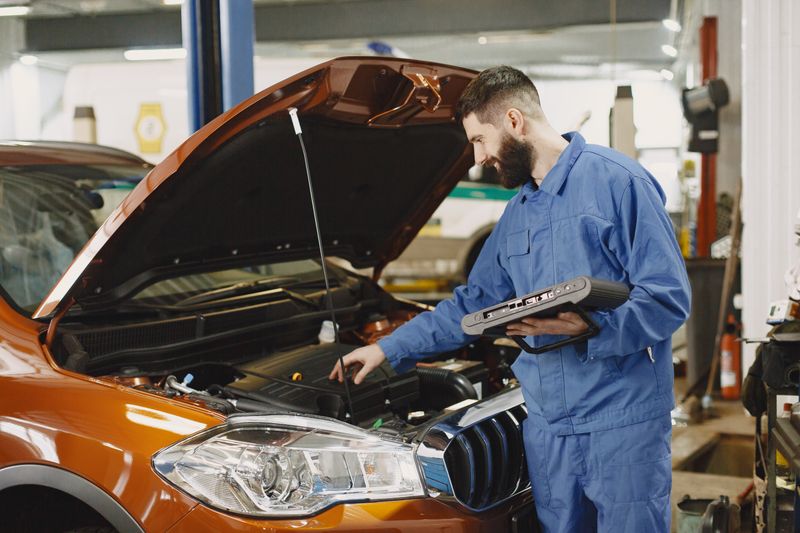
Routine checks can reveal visible problems, but some faults require diagnostic equipment and trained technicians. Modern vehicles use sensors and electronic control systems that can identify certain problems before they become obvious to the driver. A warning light should not be ignored simply because the car still seems to drive normally. Likewise, new noises, smells, vibrations, or changes in performance can indicate a developing problem even when no warning appears on the dashboard. Paying attention to these signs helps you decide when to arrange an inspection and when to stop driving immediately.
Watch for the following warning signs:
- Check engine light: Have the fault codes read and interpreted to determine the cause. If the light flashes or the engine runs very roughly, reduce driving and seek prompt professional advice.
- Overheating: A rising temperature gauge or overheating warning requires immediate attention. Stop safely, switch off the engine, and never open the cooling system while it is hot.
- Fluid leaks: Puddles beneath the vehicle may indicate leaking oil, coolant, transmission fluid, or another substance. The location and appearance can offer clues but cannot confirm the source on their own.
- New noises: Grinding, knocking, squealing, or repeated clunking should be investigated, particularly if the sound changes with speed or braking.
- Changes in handling: Pulling, excessive vibration, loose steering, or reduced braking performance may indicate a safety-related problem.
- Starting trouble: Repeated slow cranking or difficulty starting may involve the battery, starter, charging system, fuel delivery, or ignition components.
If a problem affects steering, braking, tire integrity, or engine temperature, do not assume it is safe to drive to the repair shop. Arrange professional assistance when continuing could put you or other road users at risk.
How Can You Make Car Maintenance Easier to Manage?
Car maintenance becomes more manageable when it is part of your regular routine rather than something you consider only after a problem appears. You do not need to memorize every service interval or understand every mechanical system. Instead, keep reliable records, learn a few basic checks, and work with a service provider who can explain which tasks are necessary and why. A clear plan also helps you budget for routine expenses and distinguish scheduled maintenance from urgent repairs. By making small checks a habit and addressing warning signs promptly, you can reduce uncertainty and make more informed decisions about your vehicle’s care.
Build a Simple Maintenance Routine
Start by reviewing your owner’s manual and recording the recommended service intervals. Use a calendar, reminder app, or spreadsheet to track upcoming tasks and completed work.
Your maintenance record should include:
- Service date and odometer reading.
- Oil type and other fluids used.
- Parts replaced, including filters, tires, and brake components.
- Inspection findings and repairs completed.
- Recommendations for future service.
- Receipts, warranties, and relevant repair documentation.
Keep an emergency repair fund if possible. Even well-maintained vehicles can develop unexpected faults, and having money set aside can make it easier to respond without delaying necessary repairs.
Know Which Tasks You Can Do Yourself
Many drivers can handle simple checks, such as monitoring tire pressure, topping up washer fluid, testing lights, and inspecting visible tire damage. These tasks can save time and help you identify issues early.
More complex work may require specialist tools, technical knowledge, or safety precautions. Brake repairs, transmission diagnostics, electrical faults, and work involving raised vehicles should be left to qualified professionals unless you have the proper training and equipment.
When selecting a repair shop, ask for a clear explanation of the diagnosis, an itemized estimate, and approval before additional work begins. Compare recommendations with your vehicle’s service requirements, and keep the final invoice for your records.
Conclusion: Keep Your Vehicle Reliable With Consistent Care
A dependable vehicle is the result of regular attention, timely servicing, and sensible driving habits. Checking tires, monitoring fluids, inspecting lights, and following the manufacturer’s maintenance schedule can help you catch problems before they turn into major repairs. Preparing your vehicle for long trips and responding promptly to unusual noises, warning lights, or changes in handling can also reduce avoidable risks.
Remember that maintenance needs vary by vehicle, age, mileage, and driving conditions. Use your owner’s manual as the foundation of your plan, keep accurate service records, and consult a qualified technician when a problem goes beyond routine checks. Consistent care cannot prevent every breakdown, but it can help you protect your investment, manage ownership costs, and keep your car ready for the road.