New Driver Survival Guide Mastering Maintenance, Safety, and Legal Rights

The moment a young person receives their driver’s license, the world seems to open up in a way it never has before. The ability to travel without a chaperone and choose one’s own destination is a hallmark of adulthood. However, this newfound freedom comes with a significant weight of responsibility that many new drivers are not fully prepared to handle. Beyond the excitement of the open road lies a complex landscape of mechanical maintenance, safety protocols, and legal obligations. Navigating these elements successfully requires more than just knowing how to operate a steering wheel and a set of pedals. It demands a holistic understanding of how to keep a vehicle running, what to do when things go wrong, and how to protect oneself within the legal system.
The Foundation of Safe Operation
The journey to becoming a proficient driver begins long before the first solo trip. Most individuals start this process through a formal program of drivers education, which provides the theoretical and practical basis for road safety. These programs are designed to instill a deep respect for traffic laws and the physics of moving a multi-ton vehicle. While passing the initial test is a milestone, the learning process continues for years. A new driver must transition from following rules in a controlled environment to making split-second decisions in the middle of heavy traffic or unpredictable weather. This transition is where the real skill is forged. It involves developing a “sixth sense” for the behavior of other drivers and learning to anticipate hazards before they materialize.
Experience is the best teacher, but that experience should be built on a solid academic foundation. Understanding things like braking distances, the dangers of distracted driving, and the importance of signaling are not just for passing a multiple-choice exam; they are the tools that prevent accidents. For a beginner, the focus should always be on defensive driving techniques. This means maintaining a safe following distance and always having an exit strategy if the car in front suddenly stops. By prioritizing safety and continuing to review the lessons learned in their early training, drivers can significantly reduce their risk of being involved in a collision during those critical first few years behind the wheel.
Mastering Preventative Maintenance
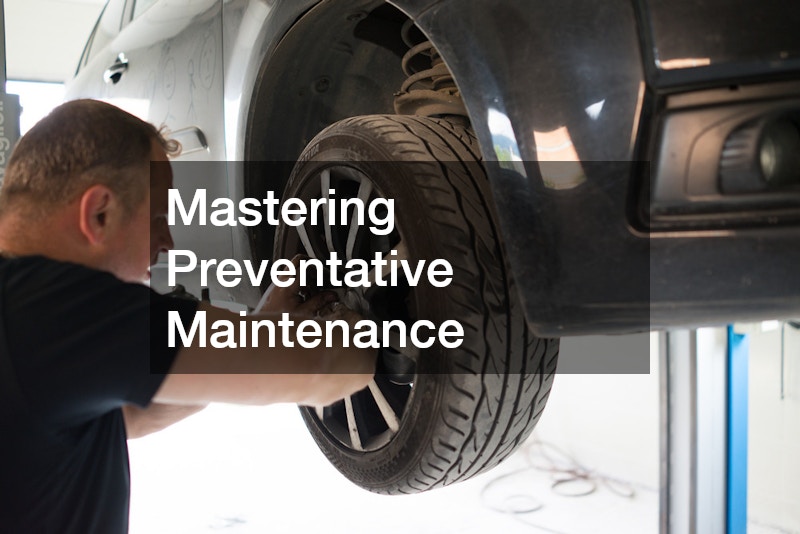
Once a person is comfortable on the road, the next challenge is ensuring the vehicle remains in a condition that facilitates safe travel. Many new drivers treat their cars like appliances, assuming they will work indefinitely as long as there is fuel in the tank. This mindset often leads to costly breakdowns. Establishing a routine for a regular car service is the most effective way to avoid major repairs down the road. This includes more than just the standard oil change. It involves checking fluid levels, inspecting the health of the battery, and ensuring that the braking system is responsive. When a vehicle is maintained properly, it performs better, uses fuel more efficiently, and provides the driver with much-needed peace of mind.
Preventative care also involves paying attention to the small signs a car gives off when something is beginning to fail. A slight vibration in the steering wheel, a faint squeak when applying the brakes, or a strange smell from the vents are all indicators that professional attention is needed. Ignoring these minor symptoms can lead to catastrophic failures at the worst possible times. By taking the car to a professional at the first sign of trouble, a driver can often fix a small issue for a fraction of the cost of a major overhaul. Learning the basic anatomy of one’s vehicle allows a driver to communicate more effectively with mechanics and understand exactly what is happening under the hood.
Navigating Roadside Emergencies
Despite the best maintenance efforts, the reality is that mechanical failures can still happen. A tire might catch a stray nail, or an aging battery might finally give out on a cold morning. In these moments, panic is the biggest enemy. Knowing that a reliable roadside assistance service is available can change a stressful situation into a manageable inconvenience. These services are designed to help with the most common problems that leave people stranded. Whether it is a jump-start or help changing a flat tire, having a plan in place ensures that a driver is never truly alone on the shoulder of a highway.
The key to handling a breakdown is safety. If a car begins to lose power or act erratically, the driver should signal and move as far off the road as possible. Turning on the hazard lights is essential to make the vehicle visible to others. Once the car is stationary, the driver should assess whether it is safer to stay inside the vehicle or move to a location further away from traffic. Calling for help should be the next priority. By preparing for these scenarios in advance—such as keeping a flashlight and a basic emergency kit in the trunk—a new driver can maintain control over the situation and ensure they get back on the road with minimal risk to their personal safety.
Specialized Support on the Go

Sometimes, a vehicle issue is simple enough that it does not require a trip to a traditional garage, but it is still too complex for a novice to fix on their own. This is where a mobile emergency road service becomes an invaluable resource. These professionals travel directly to the location of the vehicle to provide immediate help. This might include unlocking a car when the keys are trapped inside or delivering a few gallons of fuel if the tank has run dry. The convenience of having an expert come to you cannot be overstated, especially for those who may be in an unfamiliar area or traveling late at night.
For many, the biggest advantage of these mobile units is the time they save. Instead of waiting hours for a tow truck and then sitting in a waiting room, a driver can often have their problem solved right where they parked. This level of support is part of a modern approach to vehicle ownership that prioritizes efficiency and safety. It is a good idea for every driver to have the contact information for such services saved in their phone.
Caring for Advanced Drivetrains
Not all vehicles are built the same, and some require a higher level of technical knowledge to stay in top shape. Drivers who operate SUVs or trucks often have additional components that need monitoring. Specifically, if a vehicle has an all-wheel or four-wheel drive system, it has a more complex arrangement of differentials and transfer cases. Professional 4 wheel drive repair is a specialized field that addresses the unique wear and tear these systems experience. Whether the vehicle is used for weekend off-roading or simply for better traction during snowy winters, these components must be inspected regularly to ensure they engage and disengage properly.
New drivers often underestimate how much the drivetrain affects the handling of the vehicle. If a four-wheel-drive system is malfunctioning, it can lead to erratic steering or even lock up the wheels at inappropriate times. This is why it is crucial to seek out technicians who understand the specific requirements of these rugged machines. Proper lubrication of the transfer case and regular checks of the drive shafts can prevent the system from seizing up.
The Logistics of Vehicle Transport
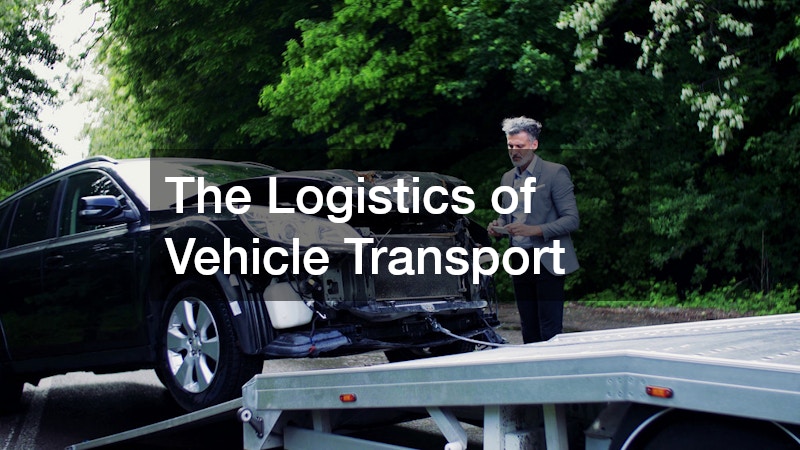
When a car is involved in an accident or suffers a major mechanical failure that cannot be fixed on-site, it will likely need to be transported to a repair facility. This process usually involves car towing, which is a specialized task requiring the right equipment. Using a flatbed or a wheel-lift truck ensures that the vehicle is moved without causing further damage to its transmission or frame. It is important for a driver to understand the basics of this process, including where the vehicle should be taken. Many insurance companies have preferred facilities, but the owner of the car generally has the right to choose their preferred destination for repairs.
Waiting for a tow can be a long process, but it is a necessary step in the recovery journey. During this time, the driver should gather all necessary documentation, such as the vehicle registration and insurance information. If the tow is the result of a collision, taking photographs of the vehicle’s position and the damage from multiple angles is highly recommended. These records will be vital for any subsequent insurance claims or legal proceedings.
Restoring Structural Integrity
After a vehicle arrives at a repair facility following a crash, the focus shifts to restoration. A local auto body shop is the best place to handle these types of repairs. Unlike a general mechanic who focuses on the engine and internal systems, body shop specialists are experts in the frame, panels, and paint. They use precision tools to ensure that the car’s structural integrity is returned to its original factory specifications. This is vital because a car’s body is designed with specific “crumple zones” that protect passengers during an impact. If these are not repaired correctly, the vehicle may not be safe in a future accident.
Choosing a reputable shop is a significant decision. A good facility will provide a clear estimate and explain the various steps of the repair process, from pulling the frame to matching the paint color perfectly. For a new driver, seeing their car in a damaged state can be upsetting, but a professional body shop can often make the vehicle look and feel like it did the day it left the showroom.
Addressing Legal Citations
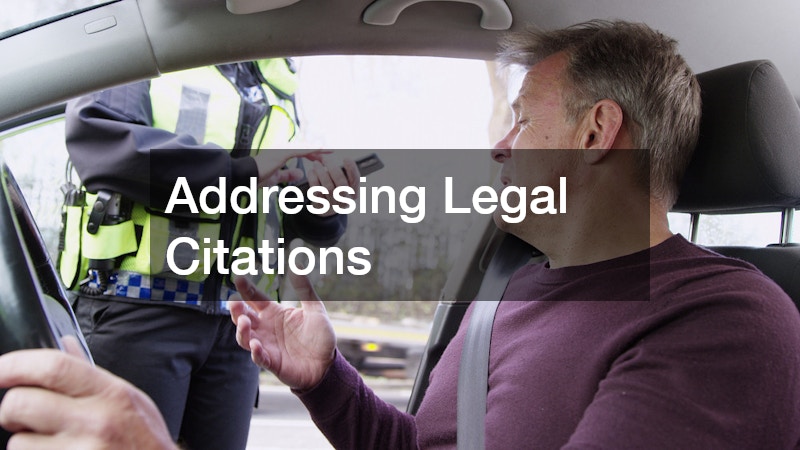
The road is not just a place of mechanical challenges; it is also a place where strict rules must be followed. Even the most careful drivers can sometimes find themselves facing a citation for a minor infraction. In these instances, the consequences can be more significant than just a fine. Points on a license can lead to increased insurance premiums or even a suspension of driving privileges for a new driver. Seeking assistance from a traffic law firm can be a wise move for those who want to understand their options. Legal professionals in this field can often help by negotiating for a reduced charge or suggesting alternative resolutions like additional safety courses.
Contesting a ticket is a right that every driver has, and doing so with professional guidance ensures that the process is handled correctly. A legal expert can review the details of the stop and determine if there were any procedural errors or if the evidence against the driver is sufficient. This is especially important for young drivers who are still under probationary licenses. By taking a proactive approach to their legal record, drivers can protect their future ability to stay on the road.
Protecting Your Rights After a Crash
In the unfortunate event that an accident results in more than just property damage, the situation becomes significantly more complex. If a driver or a passenger suffers an injury, the medical bills and lost time can be overwhelming. This is when the expertise of a personal injury lawyer becomes essential. These advocates work to ensure that the insurance companies provide fair compensation for the suffering and expenses incurred. Navigating the world of medical claims and liability can be a full-time job, and having a professional to manage the details allows the injured party to focus on their physical and emotional recovery.
A legal advocate will investigate the circumstances of the accident, interview witnesses, and gather evidence to build a strong case. They act as a shield against aggressive insurance adjusters who may try to settle for the lowest possible amount. For a new driver who might be intimidated by the legal process, having an experienced professional in their corner provides a sense of security and justice. Understanding that there are legal protections in place for victims of negligence is a vital part of the broader education that every driver should have.
Finding Trusted Guidance Nearby
Building a network of professional support is a smart strategy for any car owner. While some issues require specialized legal help, there are times when a person just needs general advice or help with documentation. Having a connection to local lawyers who understand the specific statutes and ordinances of the area can be a major advantage. These professionals are often deeply involved in the community and can provide referrals to other trusted services, such as mechanics or insurance agents. Whether it is reviewing a contract for a car purchase or dealing with a complex registration issue, local experts offer a personalized touch that large, distant firms cannot match.
The relationship between a driver and their support network is built on trust and communication. By taking the time to research and connect with local professionals before an emergency happens, a driver can move through the world with much more confidence. Knowing exactly who to call when a problem arises takes the guesswork out of difficult situations. This community-based approach to driving safety and legal rights creates a safety net that supports the driver at every turn. It is the final piece of the puzzle in becoming a truly prepared and responsible participant in the daily flow of traffic.