
Protecting Your Investment: Smart Coverage and Support Strategies
Owning a vehicle is one of the biggest financial commitments most people make outside of their home, yet many drivers only think about protecting that investment after something goes wrong. Whether it is a fender bender, a hailstorm, or simple wear and tear, the choices you make ahead of time can save you thousands of dollars and countless headaches. This guide walks through the practical steps every vehicle owner should take to safeguard their car, truck, or specialty vehicle for the long haul. By the end, you will have a clearer picture of how coverage, maintenance, and trusted professional support work together to protect what you drive.
Choosing Coverage That Actually Fits Your Life
Not all policies are created equal, and picking one based on price alone often leaves gaps that show up at the worst possible time. Working with a knowledgeable auto insurance agency helps you understand the difference between liability-only coverage and more comprehensive plans that protect against theft, weather damage, and collisions. A good agent will ask about your driving habits, where you park, and how many miles you put on your vehicle each year before recommending a policy. This personalized approach means you are not paying for coverage you do not need, nor are you left exposed in areas that matter most to your situation.
It is worth revisiting your policy every year or two, especially after major life changes like moving, buying a new vehicle, or adding a teen driver. An experienced agent can also explain optional add-ons that many people overlook until it is too late.
- Ask about gap insurance if you still owe money on your vehicle
- Inquire about rental reimbursement coverage for when your car is in the shop
- Compare deductible options to see how they affect your monthly premium
- Request a policy review after any significant life or vehicle change
Finding a Repair Shop You Can Rely On
Building a relationship with a dependable shop before you actually need one puts you ahead when something eventually breaks down. Regular auto repair visits for oil changes, brake inspections, and fluid checks are much easier when you already trust the technicians handling your car. Many owners wait until an emergency to start searching, which often leads to rushed decisions and overpaying for basic services.
Seeking out local car repair options also supports smaller businesses in your community while often providing more personalized service than large chain locations. Independent shops tend to remember your vehicle’s history, which can speed up diagnosis and reduce repeat visits for the same issue. Many will even keep digital notes on past repairs, so when you call about a new noise or warning light, they already know what’s been replaced and what hasn’t.
Before committing to a shop, check for certifications like ASE (Automotive Service Excellence), which signal that technicians have passed standardized competency tests. Look into whether the shop offers a warranty on parts and labor, typically ranging from 12 months to 12,000 miles, since this protects you if the same issue resurfaces shortly after service. It’s also worth asking whether they specialize in your vehicle’s make, as some independent garages focus heavily on domestic models while others are better versed in imports or hybrids.
Take time now to research reviews on platforms like Google or Yelp and ask neighbors for recommendations rather than waiting for a breakdown to force a rushed choice. Pay attention to patterns in feedback—consistent complaints about upselling or delays are red flags, while repeated praise for honest estimates and clear communication is a good sign. Visiting a shop in person to ask a few questions or request a quote can also give you a feel for their professionalism before you actually need their help.
- Check online reviews and ratings on Google, Yelp, or the BBB, looking for consistent feedback on pricing and quality rather than a single review
- Ask if the shop specializes in your vehicle’s make or model, since dealer-trained techs often handle complex electrical or hybrid systems better
- Confirm whether they offer warranties on parts and labor, ideally 12 months/12,000 miles or longer, and get it in writing
- Verify certifications like ASE (Automotive Service Excellence) or manufacturer-specific training, which signal a baseline level of expertise
- Visit in person to see how organized and communicative the staff are, noting whether they explain repairs clearly before you approve any work
- Ask for a written estimate upfront and confirm they’ll call before exceeding it, to avoid surprise charges on your final bill
What to Do Immediately After an Accident

The moments right after a crash are stressful, but having a plan can prevent small mistakes from becoming costly ones. First, check for injuries and move to a safe location if possible, then call 911 to file a police report—many insurers require this documentation before processing a claim. Take photos of the vehicles, license plates, road conditions, and any visible damage from multiple angles, and exchange insurance information with the other driver.
Once everyone is safe and authorities have been notified, it is important to get your vehicle assessed quickly by professionals who specialize in auto collision repair rather than a general mechanic. Waiting too long can allow hidden damage to worsen or complicate your insurance claim, so aim to schedule an inspection within a few days if the car is drivable.
These specialists understand structural damage, frame alignment, and the safety systems that a standard repair shop may not be equipped to handle. For example, they use computerized measuring tools to detect frame misalignments as small as a few millimeters, which can affect handling and crash protection if left uncorrected. They’re also trained to recalibrate advanced safety features like lane-assist cameras and airbag sensors, ensuring your vehicle performs as intended if you’re ever in another collision.
Choosing the right auto collision shop matters just as much as choosing the right insurance policy, since not every facility uses the same quality of parts or follows manufacturer repair standards. Some shops cut corners on structural repairs or paint matching, which can affect both your car’s safety and its resale value down the road.
Ask whether the shop is certified to work on your specific vehicle brand, such as I-CAR Gold Class or a manufacturer-specific certification, and whether they use OEM or aftermarket parts. OEM parts typically cost more but preserve fit, finish, and warranty coverage, while aftermarket parts can save 20-40% but vary widely in quality.
Getting a written estimate before any work begins protects you from unexpected charges later, and it also gives you something concrete to compare against your insurer’s estimate. If the numbers differ significantly, ask the shop to walk through the discrepancy line by line before authorizing repairs.
- Take photos of all damage before the vehicle is moved, including close-ups, wide shots, and license plates of other vehicles involved
- Note the time, location, and weather conditions, since these details often matter for insurance claims
- Request a detailed written estimate before repairs start, itemizing parts, labor, and estimated completion date
- Get at least two estimates if the damage is significant, so you can compare pricing and scope
- Ask whether the shop works directly with your insurance company, which can streamline approval and reduce paperwork on your end
- Confirm how the shop handles supplemental claims if hidden damage is discovered mid-repair
- Confirm if a lifetime warranty is offered on collision repairs, and ask whether it covers parts, labor, or both
- Check if the warranty transfers to a new owner if you sell the vehicle later
Addressing Minor Damage Before It Spreads
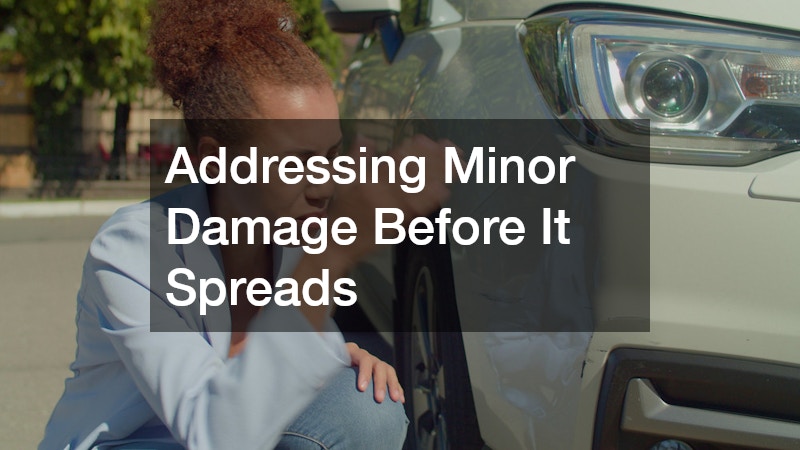
Small dings and scratches might seem harmless, but they can lead to bigger problems if moisture gets into exposed metal and causes rust. Prompt dent repair not only keeps your car looking its best but also helps maintain resale value down the road. Many shops now offer paintless dent repair, which is faster, more affordable, and preserves the original factory paint job.
Ignoring minor cosmetic damage can also affect how insurance adjusters evaluate your vehicle if you file a claim later, since pre-existing damage sometimes complicates the process. Taking care of small issues quickly is generally cheaper than waiting until they multiply.
- Ask about paintless dent repair for minor door dings and hail damage
- Get a quote before assuming a dent is not worth fixing
- Document dents with photos and dates for insurance purposes
- Address dents near seams or edges quickly to prevent rust
Special Considerations for Trucks and Heavy Duty Vehicles
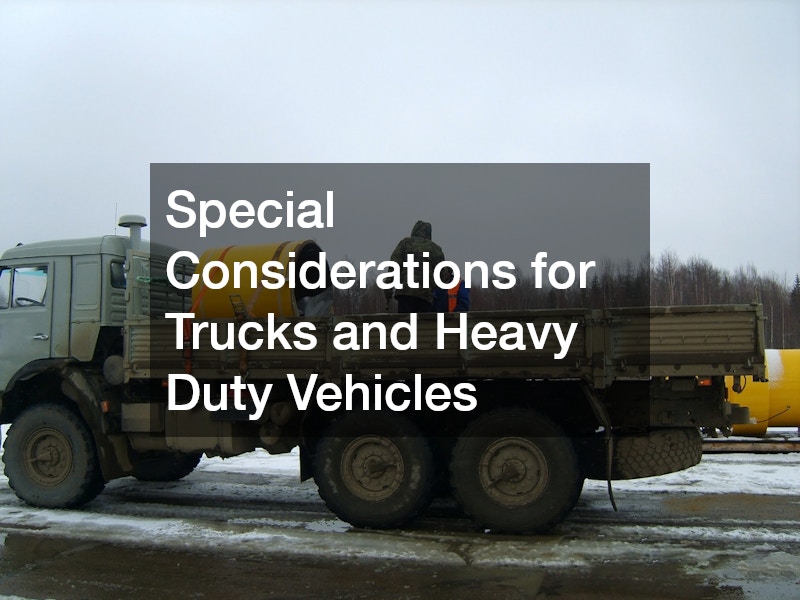
Trucks endure more wear and tear than the average sedan, especially if they are used for towing, hauling, or off-road driving. Truck repair often involves different parts, larger components, and more complex suspension systems, which is why it helps to work with technicians who have specific experience with these vehicles. Skipping regular inspections on a truck can lead to more expensive failures involving transmissions, differentials, or braking systems built for heavier loads.
- Schedule more frequent fluid checks if you tow regularly
- Inspect brakes and suspension components every few months
- Ask about diagnostic scans that catch early signs of drivetrain wear
- Keep towing capacity in mind when loading cargo to avoid unnecessary strain
Why Roadside Support Plans Are Worth Considering

Breakdowns rarely happen at convenient times, and being stranded on the side of the road can be both stressful and unsafe. A reliable roadside assistance service can provide towing, jump starts, tire changes, and lockout help, often for a relatively small annual fee. Many insurance policies offer this as an add-on, while other companies sell it as a standalone membership.
Before assuming you are covered, check what your current plan actually includes, since some only cover a limited number of service calls per year. Knowing exactly what is included before you need it prevents confusion during an already stressful situation.
- Confirm mileage limits for towing under your plan
- Check whether the service covers flat tires and dead batteries
- Ask if rental car coverage is included during longer repairs
- Review response time guarantees, especially in rural areas
Protecting Specialty and Recreational Vehicles
Standard vehicles are not the only ones that need attention and protection. Owners of custom golf carts often overlook the need for proper coverage and maintenance, assuming these vehicles are too small to require the same level of care as a car or truck. In reality, custom builds with upgraded batteries, wheels, or lighting systems can represent a significant investment that deserves the same protective mindset as any other vehicle.
Weatherproofing, battery maintenance, and periodic inspections all help extend the life of these vehicles, especially if they are used frequently on community roads or golf courses. Checking with your insurance provider about specific coverage options for these vehicles is a smart step many owners skip until damage or theft occurs.
- Store batteries properly during colder months to extend their lifespan
- Ask your provider if specialty vehicles need a separate policy
- Keep tires properly inflated to reduce uneven wear
- Clean and inspect electrical components regularly to prevent corrosion
Making Preventive Maintenance Part of Your Routine
Consistent upkeep is one of the simplest ways to avoid expensive repairs and extend the life of your vehicle. Routine auto repair tasks like rotating tires, replacing air filters, and checking belts may seem minor, but they add up to significant savings over time. Vehicles that receive regular attention tend to hold their value better and are less likely to experience sudden, costly breakdowns.
- Follow the manufacturer’s recommended maintenance schedule
- Keep a written log of services performed and mileage at the time
- Replace worn belts and hoses before they fail completely
- Schedule seasonal checkups before extreme heat or cold arrives
Keeping Records and Reviewing Your Protection Plan
Many vehicle owners assume their coverage and maintenance habits are set once and forget to revisit them over time. Keeping organized records of repairs, insurance policies, and warranty documents makes it much easier to catch gaps or overlapping coverage. Set a reminder every six to twelve months to review your protection strategy and confirm it still matches your needs.
- Store digital copies of receipts and insurance documents in one place
- Compare your current coverage against new policy options annually
- Note upcoming warranty expiration dates on a calendar
- Reassess your plan after any major repair or accident
Protecting your vehicle is not a one-time decision but an ongoing process that combines the right insurance, trusted professionals, and consistent maintenance habits. Taking small proactive steps now, from reviewing your policy to addressing minor damage quickly, can prevent much larger expenses and stress later. Start by evaluating your current coverage and building relationships with repair professionals you trust before an emergency forces the decision. Your vehicle is a significant investment, and treating it that way today will pay off for years to come.