The Post-Accident Recovery and Performance Upgrade Guide

An unexpected vehicle collision ranks high among the most stressful events a driver can encounter on modern roads. In the moments immediately following an impact, prioritizing personal safety and clearing the roadway are the top concerns. Drivers should activate hazard lights, remain calm, and move passengers to safe ground far from active traffic lanes. Once everyone is safe, attention naturally shifts to managing the damaged vehicle and getting it off the shoulder. Reliable roadside assistance services play a critical role during these chaotic first minutes by providing fast support when drivers feel overwhelmed. Dispatchers help coordinate quick responses to secure the scene, organize recovery crews, and keep traffic moving smoothly around the incident site.
When a vehicle cannot be driven safely due to broken axles, leaking fluids, or deployed airbags, proper transport is mandatory to prevent further damage. Utilizing professional car towing ensures that the damaged vehicle moves securely from the accident site to a trusted facility. Flatbed transports are especially useful for all-wheel-drive models or cars with severe suspension damage, as dragging a crippled drivetrain behind a traditional hook truck can cause additional gear destruction. Choosing a skilled transport operator protects the vehicle from secondary scrapes, bumper damage, or frame stresses during transit. By handing over transport logistics to trained operators, car owners can focus on filing insurance reports, organizing substitute transport, and taking the first essential steps toward turning a frustrating accident into an unexpected vehicle renewal project.
Drivers who prepare ahead by saving local emergency dispatch numbers can navigate post-collision stress with much greater efficiency and ease.
Conducting a Thorough Post-Impact Inspection
Once the vehicle arrives safely at a modern repair facility, the true evaluation process begins. Initial appearances can often deceive, as a light crease on a bumper cover might hide structural shifting or compromised bumper reinforcement bars underneath. Technicians must conduct systematic tear-down procedures to uncover hidden collision impact damage. A certified mechanic must examine the engine bay, cooling system, exhaust headers, and steering assembly to identify any hidden mechanical harm caused by the kinetic forces of the crash. Fluid leaks, bent control arms, damaged radiator mounts, and misaligned subframes need full documentation before any actual repair work starts.
Proper diagnosis forms the bedrock of effective structural rehabilitation. Modern vehicle frames are engineered with precise crumple zones designed to absorb energy during impact, protecting passengers by sacrificing outer structural components. Standard collision repair procedures focus on measuring the chassis against original factory blueprints using advanced laser measuring systems. If the unibody frame has shifted even a fraction of an inch, wheel alignment will suffer, leading to uneven tire wear and unstable handling at highway speeds. Technicians use hydraulic pulling equipment to restore factory dimensions down to the millimeter. This painstaking measurement process ensures that every suspension point, engine mount, and body panel aligns perfectly, returning the vehicle to its original crash-safety standards before any cosmetic work commences.
Restoring Structural Integrity and Glass Work
After structural alignment checks are complete, technicians turn their focus toward outer panel repair and glass replacement. Skilled technicians at a dedicated body shop handle panel beating, dent pulling, plastic welding, and composite section replacement with meticulous attention to detail. Metal panels that suffered minor creases can often be reshaped using traditional hand tools, while severely crushed panels receive clean spot-weld removals and direct panel replacements. Proper surface preparation, anti-corrosion treatments, corrosion-resistant primers, and multi-layer paint matching processes ensure that replacement panels blend naturally with the remaining original bodywork under direct sunlight.
Impact forces frequently shatter side windows or cause severe stress cracks across front windshields. Performing a professional car window repair or complete glass replacement restores structural strength, as modern windshields contribute up to thirty percent of a vehicle’s structural stiffness during rollover events. Technicians carefully scrape away damaged urethane seals, clean the window channel surfaces, apply specialized primers, and seat fresh automotive safety glass. Correct adhesive curing times must be respected to prevent air whistles, water leaks, or glass displacement during future driving. When structural bodywork and safety glass are restored correctly, the vehicle regains its original quiet cabin atmosphere and weather-tight seal, setting the stage for subsequent cabin tech enhancements.
Restoring glass seals correctly also prevents moisture intrusion from damaging sensitive cabin carpets, floor pans, and interior acoustic insulation.
Upgrading Electronics and Interior Protection
Major collisions often disrupt internal wiring looms, safety sensors, and onboard computer systems. Replacing compromised sensors and damaged interior wiring provides a golden opportunity to upgrade basic security hardware with advanced protective technology. Installing a high-performance car alarm system gives vehicle owners enhanced monitoring capabilities, including dual-stage shock sensors, glass-break detectors, tilt sensors, and direct smartphone connectivity. Modern security packages allow drivers to track vehicle location in real time, monitor cabin temperatures, and receive instant notifications if someone tampers with the vehicle while parked on public streets or inside residential garages.
Beyond basic security devices, rebuilding an impact-damaged vehicle allows owners to select higher quality replacement components rather than settling for standard factory stock units. Ordering upgraded auto parts like heavy-duty wiring harnesses, high-output alternators, silicone radiator hoses, and thermal-resistant engine bay covers ensures that newly added electronic accessories operate smoothly without overtaxing the primary charging system. Premium components also handle elevated electrical loads much better than budget alternatives, effectively preventing future voltage drops or fuse failures. Integrating modern security components alongside robust electrical hardware restores driver peace of mind, ensuring the vehicle stays well protected against both physical theft attempts and environmental stress.
Upgrading basic factory wiring during repairs eliminates potential electrical resistance and provides clean power delivery for high-demand accessories.
Transitioning from Repair to Performance Enhancements
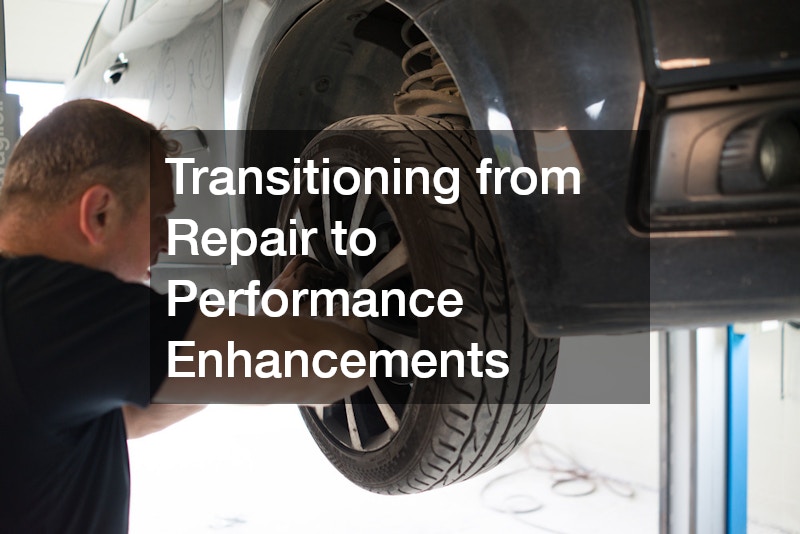
Once the vehicle achieves full structural integrity and passes all safety checks, the recovery journey can shift smoothly toward performance optimization. Many car owners view post-crash rebuilding not merely as a basic repair process, but as a fresh blank canvas for tailored automotive upgrades. Specialized auto tuning allows mechanics to reflash engine control units, optimize fuel-air ratios, adjust ignition timing curve maps, and sharpen throttle response. These precise digital adjustments liberate hidden horsepower and torque that factory programming intentionally holds back for general consumer driving conditions, resulting in an immediate improvement in engine output.
Collaborating with skilled specialists in local auto customization opens up exciting possibilities for tailored vehicle modifications. Enthusiasts can explore bespoke suspension setups, performance exhaust systems, high-flow air intakes, and upgraded multi-piston braking assemblies designed for aggressive road dynamics. Custom tuning software works hand in hand with physical hardware upgrades, creating a harmonious system where every component complements the rest. By taking full advantage of the repair timeframe, vehicle owners turn what started as an unfortunate accident into a rewarding transformation project, building a faster, more responsive machine tailored directly to their personal driving style.
Transforming routine repair downtime into an active performance upgrade phase maximizes garage efficiency and delivers immediate driving satisfaction.
Mechanical Upgrades and Drivetrain Enhancements
Replacing broken engine accessories or bent suspension arms during accident repairs gives drivers a logical reason to upgrade to performance-oriented hardware. Choosing specialized auto parts such as polyurethane suspension bushings, adjustable coilover shocks, heavy-duty sway bars, and slotted brake rotors vastly improves handling stability over factory original equipment. These upgraded mechanical components reduce unwanted body roll during hard cornering, shorten stopping distances, and provide immediate steering feedback through the wheel, making daily commutes and backroad drives significantly more engaging for automotive enthusiasts.
Executing these mechanical transformations requires high technical competence, specialized calibration tools, and accurate installation procedures. An experienced mechanic carefully torques every suspension bolt to exact manufacturer specifications, performs precise four-wheel alignment adjustments, and bleeds hydraulic brake lines to eliminate pedal sponginess. Technicians also test drive the vehicle across varied pavement surfaces to confirm balanced damping performance and eliminate binding. Proper installation prevents premature tire wear, annoying cabin vibrations, and handling quirks that often plague improperly modified vehicles. With professionally fitted performance hardware installed under the chassis, the vehicle handles tight turns with crisp precision, offering a firm, confident connection to the road surface that easily outperforms its original factory setup.
Exterior Aesthetics and Custom Bodywork
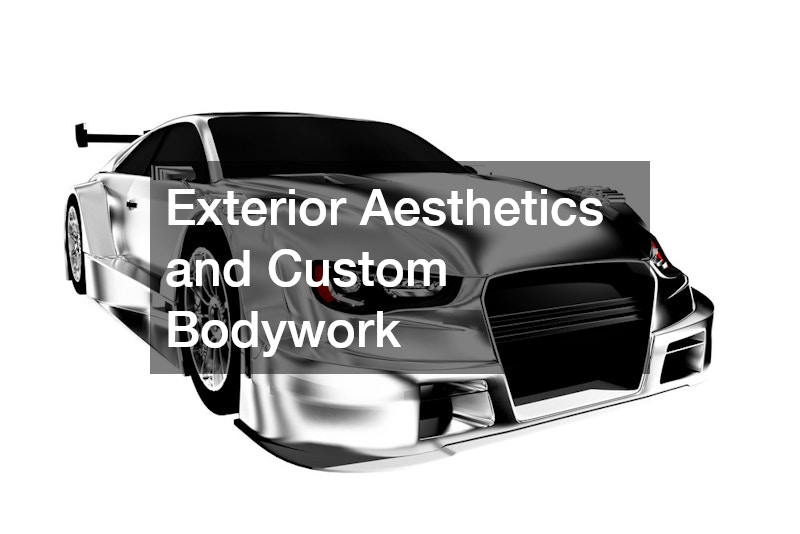
Restoring an exterior after a highway collision naturally leads to creative discussions about custom style improvements. A top-tier body shop does far more than apply standard factory paint over repaired sheet metal; it offers custom paint finishes, aggressive front fascias, aerodynamic rear diffusers, and lightweight carbon fiber hoods. Modern paint booths utilize climate-controlled spraying environments and infrared curing lamps to bake high-gloss clear coats onto panels, creating a deep, mirror-like finish that resists harsh UV rays, road salt, and flying gravel debris encountered on long road trips.
Personalizing vehicle aesthetics allows owners to stand out from identical factory models in everyday traffic. Working with experts in local auto customization provides access to unique aerodynamic packages, lightweight alloy wheels, widebody fender flares, and self-healing paint protection films. These visual enhancements not only elevate aesthetic appeal but can also improve high-speed aerodynamic stability by directing airflow smoothly around the vehicle body. Skilled technicians take time to align custom splitter edges and flare brackets perfectly. Investing in quality exterior styling transforms a once-damaged commuter vehicle into a striking, personalized machine that turns heads everywhere it travels, showcasing high craftsmanship and distinct personality.
Combining high-durability body paint with custom styling accents elevates vehicle presentation while protecting metal panels against premature corrosion and weathering.
Modern Security Additions and Glass Protection
Vehicle safety involves far more than structural impact zones; it also encompasses everyday cabin security and passenger comfort. Following major bodywork, scheduling an expert car window repair or glass replacement ensures that glass surfaces are free from micro-pitting, minor stone chips, or optical distortion. Upgrading to acoustic laminated side glass or adding heavy-duty security window tinting film reinforces glass panels against sudden impacts, making smash-and-grab theft attempts vastly more difficult for opportunist criminals while simultaneously reducing unwanted exterior road noise during long highway trips.
Combining fortified glass with a modern car alarm creates an integrated defense matrix for the entire vehicle structure. Advanced alarm systems include perimeter motion sensors, remote engine kill switches, independent battery backup sirens, and tilt sensors that trigger if an unauthorized party attempts to tow the vehicle away. Drivers can monitor cabin conditions and check security status directly through intuitive mobile phone applications. Integrating these multi-layered protective devices deters potential intruders effectively. This dual approach of physical glass reinforcement and intelligent electronic monitoring ensures that the newly restored and customized vehicle remains thoroughly secure whether parked in a busy downtown parking structure or an unattended residential driveway overnight.
Layering physical window strength with active electronic monitoring ensures that valuable cabin contents remain secure regardless of parking conditions.
Long-Term Vehicle Care and Driving Confidence
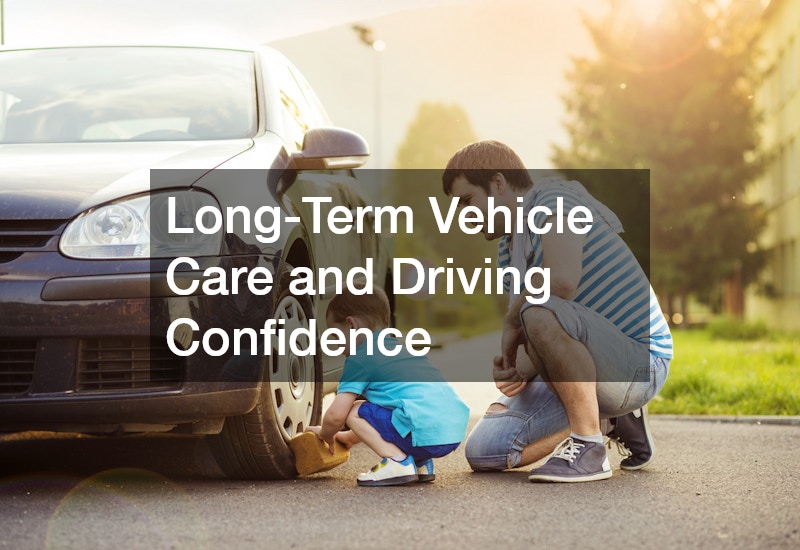
Completing a major rebuild and customization project requires careful post-repair validation and quality assurance testing. Reliable collision repair facilities perform thorough test drives, computerized wheel alignments, frame tolerance verification, and multi-point safety checks before releasing the vehicle back to its owner. Drivers should carefully review detailed repair documentation, double-check paint finish consistency under natural sunlight, test all interior electronics, and verify that dashboard indicator lights function normally without active diagnostic error codes. Taking time for a thorough walk-around inspection ensures complete satisfaction.
Once primary repairs pass inspection, verifying custom performance adjustments ensures seamless long-term operation. Performing routine electronic diagnostic checks after engine auto tuning ensures that engine operating temperatures remain perfectly stable under heavy acceleration and that overall fuel economy matches realistic expectations. Technicians verify boost pressures and air-fuel ratios across the entire powerband to prevent lean conditions under load. Drivers should strictly follow recommended break-in protocols for new brake pads, fresh clutch assemblies, or upgraded engine components during the first few hundred miles of operation. Taking a methodical approach to post-repair maintenance preserves structural integrity, protects custom financial investments, and guarantees exceptional driving enjoyment for many thousands of miles down the road.
Maintaining structured service logs after custom work helps preserve vehicle resale value and proves proper maintenance history to future buyers.
Final Thoughts on Vehicle Transformation
Navigating vehicle damage can initially feel like an overwhelming setback, but with the right strategy, it becomes a distinct opportunity for comprehensive improvement. From the initial moment when professional roadside assistance services arrive to handle emergency logistics, the trajectory of vehicle recovery begins moving toward complete renewal and performance enhancement. Prompt emergency response mitigates immediate roadside hazards, protecting both passengers and mechanical components from secondary harm on busy highways.
When unexpected incidents occur, relying on prompt car towing to transport the vehicle to an expert facility ensures that every subsequent stage of repair and customization proceeds smoothly. By combining essential repairs with performance tuning, high-grade security systems, upgraded components, and personalized aesthetic touches, drivers transform a stressful collision into an inspiring upgrade journey. Establishing strong relationships with local specialty shops also creates a reliable support network for future maintenance, upgrades, and track day preparation. With clear planning and skilled craftsmanship, any vehicle can emerge from recovery stronger, faster, and more secure than ever before.
Investing in quality repairs and performance upgrades turns an unexpected accident into a rewarding ownership experience that lasts for years.