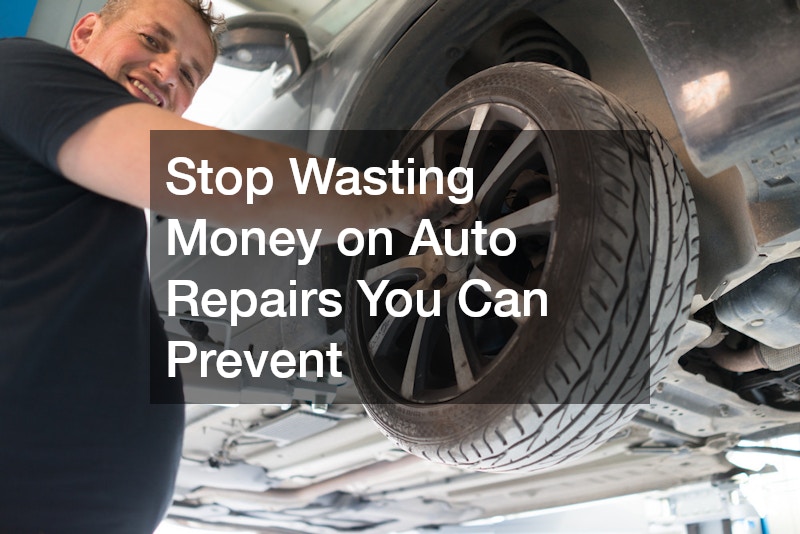
Stop Wasting Money on Auto Repairs You Can Prevent

Small car problems rarely stay small. That faint squeal from your brakes or the tiny chip in your windshield feels easy to ignore today, but left unchecked it can turn into a repair bill that costs ten times more down the road. The good news is that most expensive breakdowns are preventable if you know what to watch for and when to act. This guide walks through the maintenance habits and warning signs that save car owners real money every year.

Listen to Your Brakes Before They Fail Completely
Brakes rarely fail without warning. Squealing, grinding, or a soft pedal are all signs that your braking system needs attention now rather than later. Ignoring these symptoms often means replacing rotors and calipers instead of just pads, turning a routine service into a much bigger expense.
Scheduling brake repair at the first sign of trouble protects both your wallet and your safety. Most auto repair shops can inspect pad thickness in under thirty minutes, and catching wear early usually means a straightforward, affordable fix.
- Squeaking or squealing noises when braking
- A pedal that feels spongy or sinks lower than usual
- Vibration or pulsing through the steering wheel
- Visible metal dust coating your wheels
- Your car pulling to one side when you brake
Protect Your Windshield From Small Chips and Cracks
A chip the size of a coin might not seem urgent, but temperature swings, road vibration, and moisture can turn it into a spreading crack within days. Once a crack reaches a certain length, the entire windshield usually needs replacement instead of a simple patch. Addressing damage quickly is almost always cheaper and faster than waiting.
Many auto glass shops offer windshield repairs that take less than an hour and can be done at your home or office. This kind of quick, mobile service means there is little excuse to keep driving around with a compromised windshield, especially since insurance often covers small repairs at little to no cost to you.
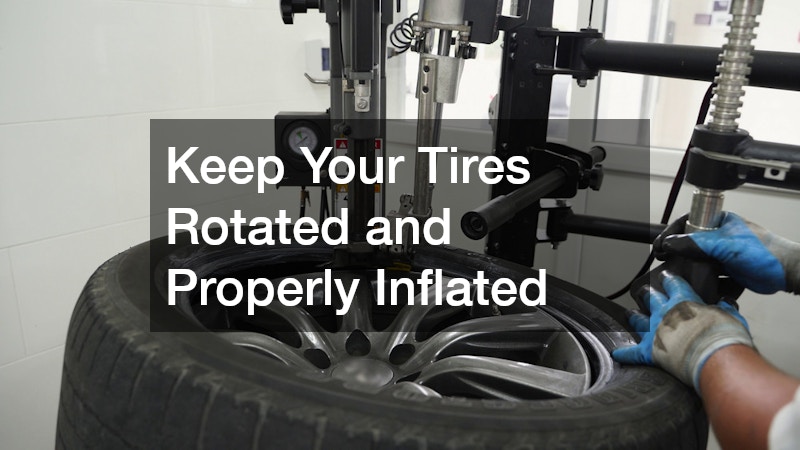
Keep Your Tires Rotated and Properly Inflated
Tires are one of the most overlooked maintenance items, yet uneven wear can lead to poor handling, reduced fuel economy, and even blowouts. Rotating your tires every 5,000 to 7,000 miles helps them wear evenly and extends their lifespan significantly. Checking tire pressure monthly is a two-minute habit that prevents premature wear and improves safety.
- Check pressure when tires are cold for accurate readings
- Rotate front to back on a consistent schedule
- Inspect tread depth with a simple penny test
- Watch for cupping or uneven wear patterns
- Replace tires before they become a blowout risk
Understand When a Breakdown Requires Professional Help
Not every roadside issue can be solved with a spare tire or a jump start. When your engine overheats, your transmission won’t engage, or your car simply won’t start, calling for towing services is often the safest option rather than risking further damage by continuing to drive. Attempting to limp a struggling vehicle to a shop can turn a moderate repair into a total engine or transmission replacement.
Knowing a reliable towing company ahead of time saves stress during an actual emergency. Many providers now offer app-based tracking and flat-rate pricing, so you know what to expect before help even arrives.
Give Your Vehicle Interior and Exterior Regular Attention
Cosmetic neglect leads to real mechanical consequences. Dirt and grime trapped in door seals, tracks, and vents can cause components to wear out faster, while UV exposure fades and cracks dashboards and upholstery over time. Hiring a car detailer periodically to deep clean carpets, seats, and trim helps preserve your car’s interior and prevents mold or odor issues that are far more expensive to fix later.
Routine automotive detailing also protects your paint and undercarriage from corrosion caused by road salt, bird droppings, and tree sap. A protected exterior maintains resale value and prevents small surface issues from becoming rust problems that eat through metal panels.
- Wash the exterior every two weeks to remove corrosive debris
- Vacuum and wipe down interior surfaces monthly
- Apply wax or sealant twice a year for paint protection
- Clean door jambs and window tracks to prevent sticking
- Address spills immediately to avoid staining and odor
Reduce Heat and Glare Damage With Window Treatments
Excessive sun exposure doesn’t just fade your dashboard, it can also crack vinyl, warp interior trim, and cause upholstery to dry out and tear. Installing auto glass tinting reduces UV exposure significantly, which helps preserve the interior and keeps the cabin cooler in hot climates. This is a one-time investment that pays off through reduced wear over years of ownership.
Beyond protection, tinting also reduces glare, which can lower eye strain and improve visibility in bright conditions. Many states have specific legal limits on tint darkness, so it’s worth confirming local regulations before scheduling an installation.
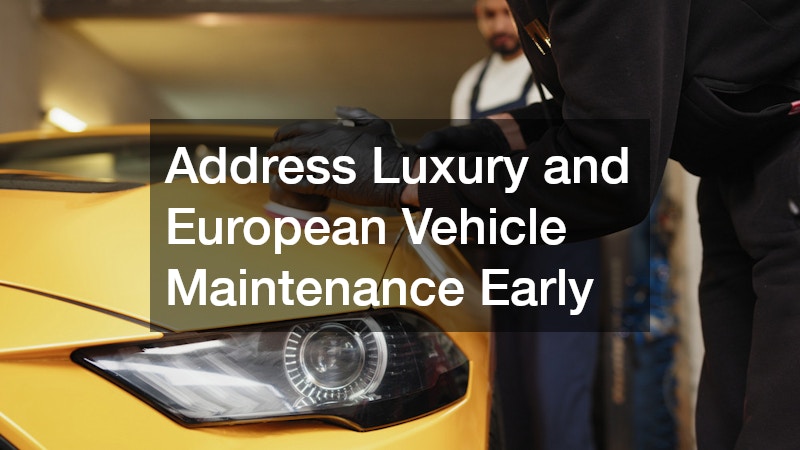
Address Luxury and European Vehicle Maintenance Early
High-performance and luxury vehicles often require more specialized attention than standard models, and putting off service can lead to costly complications down the road. These cars are built with tighter tolerances, advanced electronics, and unique engineering that don’t tolerate neglect the way a basic economy sedan might. A small delay in addressing a warning light or unusual noise can escalate into a five-figure repair bill on these vehicles.
Audi repairs, for example, frequently involve proprietary parts and computer diagnostics that a general shop may not be equipped to handle correctly. Turbocharged engines, air suspension systems, and quattro all-wheel-drive components all require specialized tools and manufacturer-specific software to diagnose properly. A shop without the right equipment might misdiagnose the issue entirely, leading to unnecessary part replacements or repeat visits.
The same holds true for other European brands like BMW, Mercedes-Benz, and Porsche, which often use unique fluids, torque specifications, and electronic modules that differ significantly from mainstream manufacturers. Using the wrong oil viscosity or generic parts can quietly shorten the life of an engine or transmission over time. Choosing a shop experienced with your specific make ensures problems are diagnosed accurately the first time, saving you from paying twice for the same fix.
Beyond diagnostics, technicians familiar with luxury brands are more likely to catch early warning signs, such as minor oil seepage or sensor drift, before they become major failures. Investing in a specialist now, even at a slightly higher hourly rate, is almost always cheaper than untangling a misdiagnosed problem later.
Delaying specialized maintenance on a luxury vehicle often compounds costs because small electrical or sensor issues can trigger multiple related failures. A minor oxygen sensor glitch on a BMW or Audi, for instance, can throw off fuel trims and eventually damage the catalytic converter, turning a $150 fix into a $2,000 one. Air suspension leaks on vehicles like the Mercedes-Benz S-Class or Range Rover follow the same pattern, straining compressors that are far more expensive to replace than the original seals.
Staying current with manufacturer-recommended service intervals is the simplest way to avoid these cascading repair bills. This means sticking to specific mileage and time-based schedules, such as changing synthetic oil every 5,000 to 10,000 miles depending on the model, replacing brake fluid every two years, and servicing timing chains or belts before they stretch or fail.
It also helps to use a technician familiar with your specific make, since European vehicles rely on proprietary diagnostic software and OEM parts that generic shops may not stock or fully understand. A specialist can catch early warning signs, like a slightly inconsistent idle or a dashboard code that seems minor, before they escalate into transmission or electrical system failures that cost thousands to repair.
Don’t Ignore Warning Signs on Trucks and Larger Vehicles
Trucks endure more strain than typical passenger cars, especially if they’re used for towing, hauling, or work purposes. Suspension components, transmissions, and braking systems wear faster under heavy loads, making regular inspections essential. A truck that regularly tows near its rated capacity may need transmission fluid changes twice as often as the owner’s manual suggests for standard use.
Pay attention to specific warning signs: a sagging rear end can signal worn springs or air suspension leaks, grinding noises during braking often mean pads have worn past safe limits, and transmission slipping under load can point to fluid breakdown or clutch wear. Diesel trucks bring their own red flags, too, including excessive smoke, power loss, or fuel efficiency drops that suggest injector or turbocharger problems. Catching these symptoms early typically costs a few hundred dollars in diagnostics and minor repairs, compared to thousands for a full transmission rebuild or drivetrain replacement.
Seeking out local truck repair specialists who understand heavy-duty systems ensures issues are caught before they leave you stranded or cause expensive drivetrain damage. These shops typically have experience with commercial-grade parts, towing setups, and the unique stresses fleet or work vehicles face, which a general auto shop may not fully appreciate. Building a relationship with a trusted local truck repair provider also means faster diagnostics, since they’ll already have a service history and baseline understanding of your vehicle’s quirks.
Because trucks are often relied upon for daily work, postponing maintenance can affect your livelihood as much as your wallet. A dashboard warning light, a burning smell, or a slow leak under the vehicle might seem minor when you’re behind schedule, but ignoring these signs often turns a $150 fix into a $1,500 repair — or a missed workday entirely. Common culprits include worn brake pads, low transmission fluid, and overheating engines, all of which give clear warnings long before they cause a breakdown.
Larger vehicles also carry heavier loads and cover more miles, which means components like suspension parts, tires, and towing equipment wear down faster than on a standard sedan. Checking tire tread and pressure monthly, and having brakes inspected every 10,000 to 15,000 miles, can catch problems while they’re still cheap to fix.
Building a relationship with a trusted shop means faster diagnostics and fewer surprises when something does go wrong. A mechanic who knows your truck’s maintenance history can spot patterns — like a recurring electrical issue or a part that’s about to fail — before they become costly emergencies. That familiarity often translates into priority scheduling too, which matters when your vehicle is central to your business.
Plan Ahead for Mobility During Major Repairs
Even with the best preventive care, there are times when your vehicle needs to stay at the shop for an extended repair — think transmission overhauls, engine replacements, or major bodywork after an accident, which can take anywhere from a few days to a couple of weeks. Arranging a rental car in advance keeps your daily routine running smoothly instead of forcing you to cancel plans or miss work.
Before you’re caught off guard, check whether your auto insurance policy includes rental reimbursement coverage, since this can save you a significant amount if the repair is covered under a claim. It’s also worth asking your mechanic upfront for a realistic repair timeline so you can book a rental car for the right duration rather than paying for extra days or scrambling for an extension.
Many repair facilities partner directly with rental companies, making the transition seamless — some will even arrange for a rental car to be dropped off right at the shop when you drop off your vehicle. If your regular shop doesn’t offer this, call ahead to nearby rental agencies, since availability and rates can vary quite a bit between locations, especially during busy travel seasons.
Planning for this possibility before it happens reduces stress considerably. Major repairs like transmission rebuilds, engine replacements, or extensive collision work can leave your car in the shop for anywhere from three days to two weeks, and finding out you have no way to get to work only after the mechanic delivers the bad news makes an already frustrating situation worse.
Keeping a rental car reservation number or app saved on your phone means you can request a vehicle immediately if your car is unexpectedly out of commission for days rather than hours. Check whether your auto insurance policy includes rental reimbursement coverage, since many policies offer it for a few extra dollars a month and will cover $30-$50 per day toward a rental during a covered repair.
It also helps to know your alternatives before you need them: a family member who can lend a car, a rideshare budget set aside for emergencies, or a coworker willing to carpool for a week. Some dealerships and repair shops offer loaner vehicles for customers with extended service needs, so it’s worth asking about this option when you schedule the repair rather than assuming you’ll have to arrange transportation entirely on your own.
Preventive care is almost always cheaper, faster, and less stressful than reactive repairs. By paying attention to warning signs, sticking to a maintenance schedule, and choosing qualified specialists for your specific vehicle, you can avoid the majority of costly breakdowns altogether. Start by identifying which of these areas you’ve been putting off, then schedule that appointment today rather than waiting for a small issue to become a major expense.