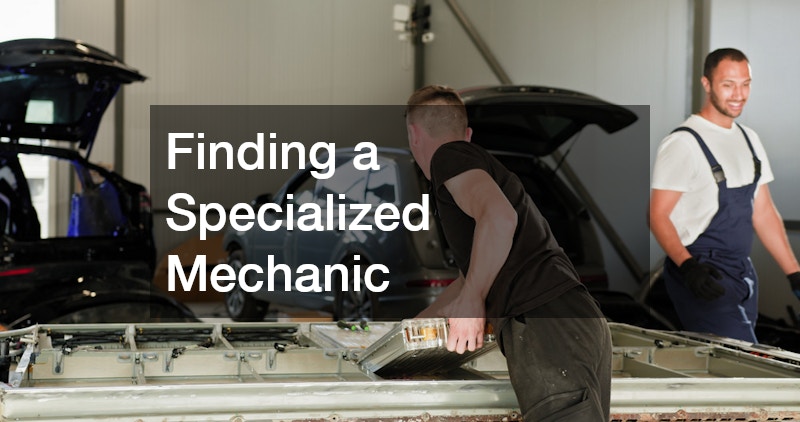
Finding a Specialized Mechanic

Modern automotive engineering has reached a level of immense complexity that completely shatters the old paradigm of the all-knowing neighborhood garage. Decades ago, a single technician could comfortably service a domestic sedan, an imported sports car, a heavy-duty commercial truck, and an air-cooled motorcycle all on the same tool bench using a standard set of hand wrenches. Today, vehicles are no longer purely mechanical assemblies; they are hyper-advanced rolling computer networks wrapped in specialized aluminum, carbon fiber, and multi-layer plastic composites. A single modern vehicle can house over one hundred independent electronic control units coordinating everything from variable valve timing and active safety sensors to high-voltage hybrid batteries and multi-stage planetary drivetrains.
Because the engineering paths of modern automotive brands have diverged so radically, relying on a generalist repair garage or a rapid-turnover strip-mall franchise introduces severe operational and financial risks. When an uncertified shop attempts to troubleshoot a specialized vehicle platform, they often fall back on generic, guesswork-driven troubleshooting protocols. This lack of platform-specific expertise leads to an ongoing cycle of misdiagnoses, unneeded and expensive part replacements, ballooning labor bills, and permanent, irreversible damage to your vehicle’s delicate electrical and mechanical infrastructure. To fully protect your automotive investments and guarantee your personal safety on the road, you must transition away from casual convenience and adopt a highly disciplined, systematic vetting framework. Finding a premier, specialized mechanic who possesses platform-specific factory training, dedicated diagnostic computers, and pristine facility standards is the single most critical step in ensuring your machine operates at its absolute peak performance metrics.
Vetting Technicians for High-Performance Continental Platforms
Owners of premium continental European imports face a unique set of engineering challenges that require an absolute dedication to platform-specific mastery. European manufacturers like BMW, Mercedes-Benz, Audi, and Porsche construct their powertrains, active suspension networks, and fiber-optic communication loops using highly sophisticated, proprietary software architectures and strict mechanical tolerances that are completely alien to standard domestic or Asian vehicle layouts. Attempting to service these high-compression, precision machines with generic universal scanning tools or basic aftermarket fluids is a guaranteed path to electronic module corruption and premature component failure.
To navigate this high-end automotive landscape safely, you must bypass general auto shops entirely and restrict your search exclusively to dedicated European auto mechanics who make continuous financial investments in factory-authorized scanning hardware, brand-specific training modules, and specialized tooling systems. Furthermore, an exceptional import specialist can be instantly identified by the overall architectural discipline and environmental sanitation of their active workshop floor. Because working with high-performance engines requires an immaculate, dust-free cleanroom environment to prevent micro-particulate contamination during assembly, top-tier facilities prioritize exceptional air filtration. When evaluating a potential service center, look closely for an elite environmental safety infrastructure characterized by a dedicated, professional overhead auto exhaust extraction network. This specialized ventilation system attaches directly to a vehicle’s tailpipe, actively scrubbing and routing dangerous carbon monoxide mists, unburned fuel vapors, and volatile chemical particulates directly out of the building envelope, ensuring a pristine breathing environment for technicians and absolute cleanliness for your vehicle’s open internal systems.
- Demand proof of active factory credentials: Verify that the shop’s lead technicians hold current Automotive Service Excellence (ASE) Master Certified credentials along with specific, advanced training badges directly from factory schools like the Porsche Technology Apprenticeship Program or Mercedes-Benz DRIVE.
- Insist on original equipment manufacturer parts and fluids: Confirm that the facility utilizes original equipment manufacturer (OEM) replacement components and brand-certified synthetic fluids that strictly match the demanding factory specifications of your high-compression engine block.
- Evaluate the presence of proprietary software tools: Ask if the garage utilizes authentic, subscription-active factory diagnostic software platforms—such as BMW’s ISTA, Mercedes’ XENTRY, or the Volkswagen Group’s ODIS—rather than relying on basic, limited-function universal code readers.
Navigating Complex Drivetrain and Structural Integrity Overhauls
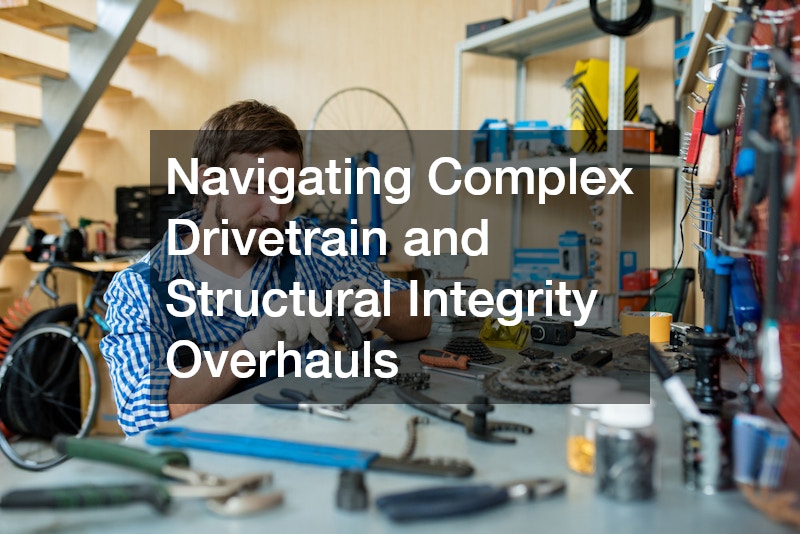
When your vehicle experiences deep drivetrain anomalies or suffers major external structural damage, the need for hyper-focused specialization becomes absolutely critical. The complex engineering behind modern multi-speed automatic transmissions, dual-clutch gearboxes, and continuous-variable systems involves highly intricate hydraulic circuits and sensitive electronic solenoid arrays that require cleanroom re-manufacturing spaces. A standard general repair shop simply does not possess the forensic testing beds or precision tooling required to execute an internal transmission teardown and reconstruction safely.
If your vehicle begins exhibiting slipping gears, erratic shift patterns, or severe fluid discoloration, you must look past general mechanics to partner with a specialized local transmission service center. These dedicated drivetrain laboratories utilize advanced torque-converter flushing equipment, precise digital valve-body testing machinery, and dynamic simulators to run your gearbox through its full operational spectrum under load before it is reinstalled into the chassis. Similarly, if your vehicle experiences a collision, restoring external components requires moving far past cosmetic touch-up paint. Modern vehicle perimeters are loaded with highly delicate radar modules, sonar sensors, and adaptive safety systems. Selecting an elite collision center for complex bumper repairs is vital to ensure that your blind-spot monitoring networks, autonomous emergency braking sensors, and adaptive cruise control modules are flawlessly recalibrated to original factory specs using computerized 3D target alignment fixtures.
- Audit collision frame measurement technology: Ensure that the collision center utilizes advanced, computerized 3D laser frame-measuring systems to verify that the vehicle’s hidden structural safety bars and unibody parameters match factory alignment down to the millimeter.
- Inquire about comprehensive drivetrain warranties: Choose a transmission rebuilder who provides a clear, ironclad, multi-year nationwide warranty covering both internal mechanical parts and the torque converter assembly to protect your financial investment.
- Verify post-repair electronic calibration scans: Mandate that the repair facility execute a comprehensive electronic system scan both before and after any structural body repair to prove that all internal safety modules communicate flawlessly with zero stored fault codes.
Auditing Commercial Fleet Configurations and Heavy-Duty Upkeeps
Managing commercial utility vehicles, heavy-duty diesel transport rigs, and industrial logistics fleets introduces a massive set of physical and operational demands that exist completely outside the world of light passenger vehicles. Commercial assets utilize high-capacity air brake networks, multi-stage turbo-diesel engines, heavy hydraulic systems, and complex electrical routing schemes that require industrial-grade maintenance facilities, massive heavy-duty vehicle lifts, and specialized diesel master technicians.
For businesses looking to maximize fleet uptime and extend the operational life of their work vehicles, finding a shop that understands specialized industrial modifications is paramount. You must target high-capacity facilities that offer elite expertise in automotive upfitting, allowing them to safely modify commercial chassis configurations, install complex heavy-duty hydraulic liftgates, integrate specialized electrical power inverters, and arrange interior utility shelving grids in strict compliance with commercial safety regulations. Furthermore, because a catastrophic roadside mechanical failure on a multi-ton commercial truck can instantly paralyze your corporate logistics chain, your operational framework must include a bulletproof emergency recovery protocol. You should establish an active, pre-vetted corporate partnership with a high-capacity heavy truck towing operator that commands an advanced fleet of integrated under-lift booms, heavy rotators, and specialized air-cushion recovery systems capable of safely retrieving fully loaded commercial assets without causing costly structural or cargo damage.
- Verify active federal DOT inspection capabilities: Confirm that the heavy-duty facility employs technicians who are fully certified to execute mandatory Department of Transportation (DOT) safety inspections, keeping your fleet in perfect legal compliance.
- Evaluate the security of the holding perimeter: Ensure that the commercial service center features an expansive, ultra-secure, and well-lit outdoor storage yard protected by heavy fencing and continuous digital surveillance to safeguard your commercial assets and valuable cargo loads while they await parts.
- Inquire about accelerated commercial fleet priorities: Partner with a specialized commercial repair center that offers dedicated, rapid-turnover fleet scheduling options, ensuring that your revenue-generating work trucks are prioritized to minimize costly operational downtime.
Selecting Specialized Technicians for Custom V-Twin Motorcycles
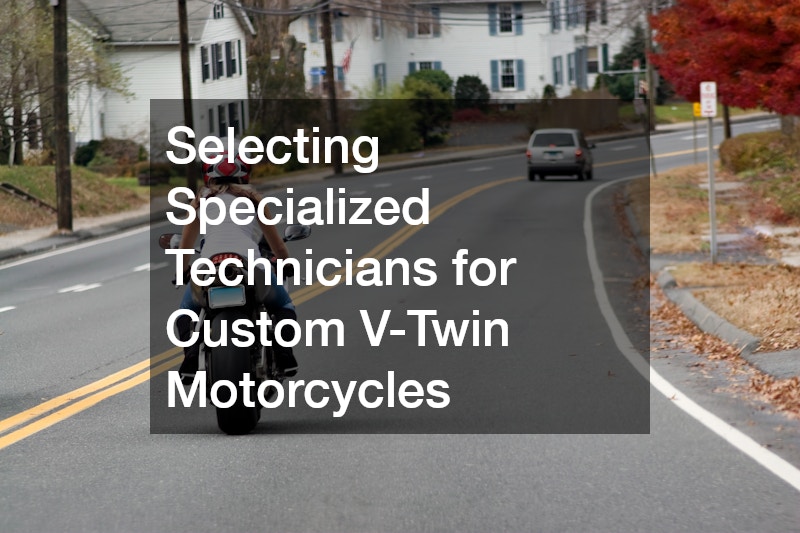
The mechanical physics and assembly tolerances of custom American V-Twin cruisers differ fundamentally from the high-rpm multi-cylinder configurations found in modern sportbikes. Air-cooled large-displacement cruiser engines utilize unique pushrod geometries, separate primary drive fluid chambers, dry-sump oil lubrication schemes, and distinct crankshaft balances that demand a highly focused, specialized touch. Trusting a valuable custom cruiser to a high-volume general motorcycle franchise often leads to improper torque sequences, electrical harness routing damage, and premature engine wear.
To protect the structural health and cultural heritage of your motorcycle, you must bypass multi-brand powersports dealerships and seek out an independent Harley repair specialist who owns brand-specific specialty pullers, cam-bearing installation tools, and dedicated electronic fuel-injection tuning stations. A premier motorcycle technician can be easily spotted by examining how they protect their active vehicle inventory from the elements. Because high-end custom bikes feature expensive chrome finishes, custom paint formulations, and vulnerable open primary drives, an elite specialist will secure their active shop floor behind a heavy-duty, commercial-grade insulated rolling garage door paired with smart biometric security locks and active climate-controlled air systems to completely prevent humidity-induced corrosion during diagnostic blocks.
- Observe the organization of the bike lift bays: A world-class motorcycle workshop will display meticulous cleanliness, utilizing dedicated hydraulic bike lifts, integrated oil-catch basins, and perfectly organized tool chests completely free of floor-level clutter or safety hazards.
- Confirm advanced electronic module flashing capability: Ask if the technician possesses specialized electronic interface tools—such as the TechnoResearch DirectLink or Vance & Hines flash modules—to precisely remap your engine’s electronic control unit (ECU) whenever aftermarket exhaust or intake tracks are installed.
- Seek out an active on-site dynamometer lab: Choose an elite V-Twin specialist who utilizes an on-site chassis dynamometer (dyno) to safely run your motorcycle through its full operational RPM range under real-world load conditions, ensuring absolute precision tuning and power delivery.
Analyzing Industrial Infrastructure Support and Roadside Supply Dynamics
The world of specialized mechanical support extends far beyond the boundaries of traditional paved roadways, encompassing the heavy hydraulic machinery, diesel generators, and earthmoving equipment that drive modern industrial construction sites. Servicing a massive hydraulic excavator, a multi-ton skid steer, or a complex telescopic boom lift requires heavy-duty field service trucks equipped with high-capacity cranes, independent arc-welding rigs, and master industrial mechanics who can troubleshoot high-pressure hydraulic circuits right out in the mud.
When an industrial machinery asset breaks down on a high-stakes jobsite, it can halt entire construction timelines, costing thousands of dollars in wasted labor every hour. To mitigate these catastrophic delays, a premier industrial repair facility will maintain direct commercial priority contracts with a leading regional equipment rental company, allowing them to rapidly source high-capacity backup machinery, heavy structural components, and replacement hydraulic cylinders instantly if a part cannot be repaired immediately on-site. Simultaneously, a highly responsive field-service business must manage the logistical realities of mobile emergency fluid deprivations. You must identify a rapid-response emergency mobile provider that offers fully certified, safe on-demand fuel delivery directly to your remote staging zones, guaranteeing that clean, ultra-low-sulfur diesel or high-octane gasoline is transferred into your stranded machinery using spark-proof grounding lines without introducing water or dust contamination into your engine’s delicate injection lines.
- Verify active OSHA safety field compliance: Ensure that all mobile industrial field mechanics possess active OSHA safety certifications and operate fully equipped field trucks carrying specialized containment mats to prevent accidental environmental oil spills during trailside line changes.
- Demand precision digital hydraulic pressure diagnostic systems: Confirm that your industrial technician utilizes advanced, high-precision digital inline flow meters and hydraulic pressure gauges to diagnose pump efficiency metrics without needing to completely dismantle the vehicle’s valve banks.
- Ensure the use of safety-grounded fuel transfer hardware: Verify that your mobile fluid provider utilizes certified, explosion-proof transfer pumps and high-grade filtration systems during all remote fuel transfers to fully eliminate static combustion risks and preserve fluid purity.
Stepping away from casual convenience to execute a systematic, uncompromising vetting framework when selecting a mechanic is the single most critical decision you can make for the longevity and safety of your machinery. As detailed throughout this comprehensive engineering guide, a truly elite, platform-specific master technician is never discovered by accident or cheap pricing models. It is a calculated partnership achieved exclusively by vehicle owners who critically evaluate advanced diagnostic tool subscriptions, audit facility ventilation safety configurations, verify heavy commercial upfitting capabilities, demand secure climate-controlled motorcycle storage, and establish rapid industrial supply lines. By honoring the highly distinct mechanical and digital requirements of your specific vehicle, fleet, or motorcycle, you effectively protect your capital investments from the extreme risks of uncertified guesswork.
As you prepare to coordinate your next service schedule or establish an emergency recovery protocol, resolve to approach your chosen service center with an assertive, highly analytical eye for detail. Do not settle for universal-fit aftermarket parts, do not overlook unvetted workshop floors or missing ventilation lines, and never trust a high-tech electronic network to a shop lacking factory-authorized scanning interfaces. Take active command of your mechanical landscape this week: verify the factory-specific certifications of your import specialist, audit the calibration frameworks of your collision center, secure direct lines with emergency heavy towing and fluid delivery networks, and ensure your motorcycle mechanic maintains an immaculate, secure environment. By holding your mechanical service providers to these exact institutional benchmarks today, you eliminate repair anxiety, maximize the resale equity of your fleet, and secure a trusted, high-caliber professional partnership that keeps your machine operating in absolute safety and peak performance for many years to come.