Why Emergency Roadside Costs Spike Without Preparation

A breakdown never happens at a convenient time or price. Whether it is a flat tire on the highway shoulder or a dead battery in a grocery store parking lot, the bill for getting back on the road can balloon fast when you have not planned ahead. Understanding why these costs spike, and what steps actually keep them in check, can save you hundreds of dollars and a lot of stress. This guide breaks down the hidden expenses behind common roadside emergencies and how a little preparation changes the outcome.
Late Night Breakdowns Cost More Than Daytime Ones
Time of day plays a bigger role in your final bill than most drivers realize. Companies that dispatch a tow truck service after hours often charge premium rates because they are pulling drivers off personal time or paying overnight shift differentials. A call placed at 2 a.m. can cost significantly more than the same service requested at 2 p.m., even from the same provider. Many providers add flat after-hours surcharges ranging from $25 to $75 on top of the base rate, and some apply this window as early as 6 p.m. or as late as 6 a.m. On top of that, mileage rates can climb since fewer trucks are actively running overnight, forcing dispatchers to pull a tow truck from farther away to reach you. Weekend and holiday breakdowns compound the problem further. A tow truck service that charges $75 for a midday weekday call might quote $150 or more for the same job at midnight on a Saturday, simply because demand is higher and staffing is thinner. Knowing these patterns ahead of time can help you budget for worst-case scenarios or push you toward a roadside assistance plan that locks in flat rates regardless of when trouble strikes.
A tow truck call at 2 p.m. might run $75 to $125, but that same breakdown at 2 a.m. can easily climb to $150 to $250 or more, depending on your location and provider. The difference comes down to labor costs: dispatchers typically pay overnight technicians a shift differential or overtime rate, and that expense gets passed directly to the customer. Add in lower demand during off-peak hours, which means fewer trucks are staffed and available, and you get longer wait times paired with higher rates. This pricing pattern exists across nearly every emergency service industry, not just automotive. Plumbers, locksmiths, and HVAC repair companies all charge similar after-hours premiums, often 50% to 100% above standard daytime rates. Weekends and holidays frequently trigger the same surcharge structure, so a breakdown on a Saturday night or during a holiday weekend can compound the cost even further. Knowing this in advance helps you budget correctly and avoid sticker shock when the invoice arrives. It also makes a strong case for enrolling in a roadside assistance membership before you need one, since most plans charge a flat annual fee regardless of what time your call comes in.
- Overnight calls (typically 10 p.m. to 6 a.m.) often carry a 25 to 75 percent surcharge on top of the base tow or service fee
- Holidays and weekends frequently trigger similar premium pricing, with New Year’s Eve and major holidays sometimes hitting the highest rates
- Rural late-night calls cost more due to longer drive times, since fewer trucks cover wider territories after dark
- Response times in rural areas can stretch to 60-90 minutes overnight, compounding both wait time and cost
- Some providers waive surcharges for members or plan holders, making a $50-100 annual membership pay for itself in one bad night
- Always ask for a total quote upfront, including surcharges, before agreeing to service
Unplanned Vehicle Recovery Requests Trigger Distance and Difficulty Fees
When you need towing without having researched options beforehand, you are at the mercy of whoever answers the phone first. Many towing services calculate charges using a base hookup fee plus a per-mile rate, and that per-mile number can vary wildly between companies — anywhere from $2 to $7 per mile depending on the operator and your location. A driver who hasn’t compared providers in advance has no way of knowing whether the quoted rate is competitive or inflated, and in an emergency, there’s rarely time to shop around. Distance matters more than most people realize. If you break down in a rural area far from a towing company’s base of operations, you may also be billed for the truck’s return trip, effectively doubling the mileage charge even though your vehicle only traveled one way. If your vehicle needs to be pulled from a ditch, median, or tight parking structure, expect an added difficulty charge on top of the standard rate. Winching a car out of a ditch, navigating a low-clearance garage, or extracting a vehicle from mud or snow all require extra equipment, time, and risk — and companies typically charge $50 to $150 more for these situations. Without prior knowledge of how these fees are structured, drivers often have no leverage to question or negotiate the final bill.
Unplanned recovery calls almost never happen on your terms, and towing companies know it. A vehicle stuck on a shoulder, in a ditch, or blocking a driveway isn’t just a tow — it’s a “recovery,” and that word alone can add $75 to $250 to the bill once winching, extra manpower, or specialized equipment gets involved. Drivers who have never compared local pricing tend to accept the first quote they hear, which is often inflated because the company knows there is no time to shop around. Distance compounds the problem quickly. Many providers include a flat base rate for the first 5 to 10 miles, then charge $3 to $7 per mile after that, meaning a breakdown in a rural area or unfamiliar part of town can turn a $75 tow into a $200+ bill before any labor is even factored in. Difficulty fees stack on top of that: a vehicle stuck in mud, snow, or against a guardrail may require a flatbed with a winch instead of a standard hook-and-chain truck, and that upgrade alone often carries its own surcharge. Keeping a couple of trusted contacts saved in your phone before trouble strikes gives you leverage to ask for a fair quote instead of an emergency markup. It also helps to ask upfront whether the quote includes mileage, hookup fees, and after-hours rates, since a price given over the phone doesn’t always match what shows up on the final invoice.
- Base hookup fees typically range from 50 to 125 dollars, often higher for late-night or holiday calls
- Per-mile charges commonly run 3 to 7 dollars beyond a free radius, which is usually just 5 to 10 miles
- Winching from mud, snow, or a ditch adds extra labor charges, often 75 to 150 dollars depending on how stuck the vehicle is
- Steep embankments or rollovers can require a second truck or heavy-duty winch, pushing costs even higher
- Flatbed transport usually costs more than standard hook and chain, since it requires specialized equipment and more setup time
- All-wheel-drive or luxury vehicles often require flatbeds specifically, removing the cheaper towing option entirely
Tire Blowouts Away From Home Inflate Replacement Prices
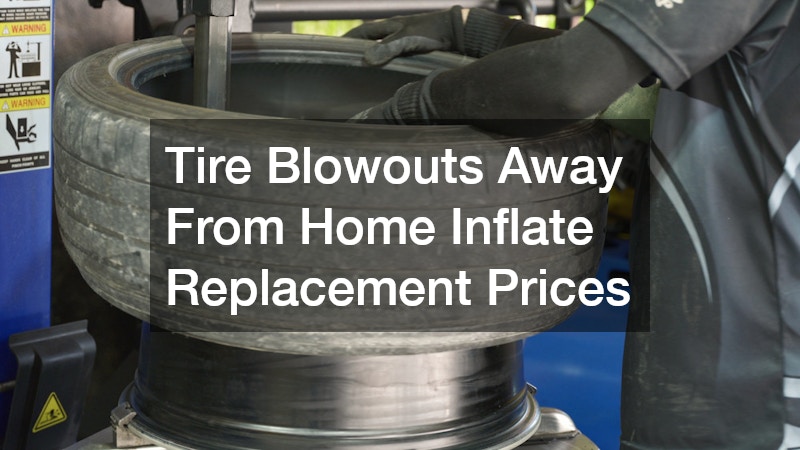
A blown tire on an unfamiliar stretch of highway often means paying whatever the nearest tire shop charges, even if it is well above typical market rates. Shops located near major highways know that stranded travelers rarely have the option to negotiate or drive elsewhere on a shredded rim. This captive-audience pricing can turn a routine tire replacement into a much costlier stop than the same service back in your home city.
Carrying a properly inflated spare and knowing how to change it yourself, or at least knowing your tire’s size and specifications ahead of time, gives you more control if this happens. Calling around before agreeing to service, even under pressure, can still reveal a better price nearby.
- Highway-adjacent shops often charge 20 to 40 percent more than local competitors
- Specialty or run-flat tires cost more to source on short notice
- Mismatched tread depth from a rushed single replacement can affect handling
- Roadside tire changes without a shop visit still require professional inspection soon after
Ignoring Small Mechanical Warnings Leads to Bigger Repair Bills
Many roadside emergencies do not appear out of nowhere. A grinding noise, a dashboard warning light, or a slow coolant leak often precedes a full breakdown by days or weeks. Drivers who put off a visit to auto repair professionals when the problem is small frequently end up paying steep diagnostic fees and a more extensive repair once the issue finally forces the car to stop.
Preventive maintenance is almost always cheaper than emergency repair, both in parts and labor. A mechanic who catches a failing alternator during a routine check charges far less than one who has to diagnose the same car after it has stalled out and stopped running entirely.
- Dashboard warning lights should never be ignored for more than a few days
- Unusual noises often signal a problem that is still cheap to fix
- Fluid leaks left unaddressed can cascade into engine or transmission damage
- Scheduled inspections catch most failures before they strand you
Cracked Windshields Get Worse and Pricier Without Quick Action

A small chip in your windshield might seem harmless, but temperature swings, road vibration, and time all conspire to turn it into a spreading crack. Once that happens, a simple auto windshield repair job that might have cost under a hundred dollars turns into a full windshield replacement costing several times as much. Waiting also increases the odds that the crack spreads at the worst possible moment, sometimes obstructing your view while driving.
Insurance coverage for glass damage varies significantly, and some policies cover chip repair at no cost to encourage early action. Checking your policy details before an emergency happens means you will not be scrambling to understand your coverage while sitting on the shoulder with a spreading crack.
- Chips smaller than a quarter are usually repairable if treated early
- Extreme temperature changes accelerate crack growth
- Many insurers waive the deductible for early chip repair
- Delaying repair risks a full replacement instead of a quick fix
Poor Weather Conditions Multiply Emergency Service Demand
Storms, ice, and flash flooding create a surge in calls to every roadside provider in the region at once. When demand spikes like this, response times slow down and some companies raise prices simply because they can, since stranded drivers have few alternatives during a weather event. A driver who normally waits thirty minutes for help might wait two hours or more during a major storm, all while paying a weather-related surcharge.
Planning for seasonal weather before it arrives, such as swapping tires ahead of winter or checking wiper blades before rainy season, reduces the odds you will be one of the many callers competing for limited help. It also helps to know which providers stay operational during severe weather versus those that pause service entirely.
- Ice storms and flooding routinely double or triple call volume overnight
- Response windows can stretch from under an hour to several hours
- Seasonal tire and fluid checks reduce weather-related breakdown risk
- Some providers add temporary weather surcharges during declared emergencies
Marine and Trailer Recovery Carries Unique Cost Factors
Not every roadside emergency involves a car. Boat owners hauling a trailer sometimes deal with axle failures or blowouts that require specialized recovery equipment different from a standard car hookup. Anyone who has built or repaired a dock, trailer bunk, or boat lift knows that marine lumber and hardware are already a notable expense, and an unexpected trailer breakdown on the way to the water adds another unplanned cost to an already gear-heavy hobby.
Trailer weight and axle configuration matter significantly when arranging help, since not every provider carries equipment rated for heavier loads. Confirming that a company can handle boat and trailer combinations before you are stuck on the shoulder saves time and prevents a wasted dispatch.
- Boat trailers often require higher weight capacity recovery equipment
- Axle and bearing failures are common causes of trailer breakdowns
- Confirming equipment compatibility before dispatch avoids wasted trips
- Regular trailer maintenance reduces the odds of a roadside failure
Special Occasion Transportation Failures Create Added Pressure
Breakdowns do not just interrupt commutes, they can derail weddings, proms, and other events where timing matters enormously. A limo service that experiences a mechanical failure on the way to pick up a wedding party faces intense pressure to resolve the issue immediately, which often means paying premium rates for the fastest available backup vehicle or emergency repair. Event-based transportation companies that maintain their fleets well are far less likely to face this scenario in the first place.
If you are booking transportation for an important event, it is worth asking the company directly about their contingency plan for mechanical issues. A reputable operator will have a backup vehicle and driver ready rather than leaving you to arrange emergency alternatives yourself on the day of the event.
- Ask about backup vehicle availability before booking for a major event
- Confirm recent maintenance records for peace of mind
- Build in extra time buffers for pickup on event days
- Choose companies with multiple vehicles in their fleet over single-car operators
Home Related Auto Comfort Upgrades Reduce Long Term Risk
Some preventive spending happens outside the vehicle entirely but still protects you from future roadside costs. Homeowners who invest in residential window tinting for their garage or carport area reduce heat buildup that can degrade a parked car’s battery, dashboard, and interior components over time. Extreme heat exposure while a vehicle sits idle contributes to battery failure, one of the most common reasons people end up needing emergency help in the first place.
Simple environmental controls around where you store your vehicle add up over years of ownership. Reducing heat and sun exposure protects battery life, tire rubber, and interior plastics, all of which extend the time between unexpected failures.
- Extreme heat shortens battery lifespan significantly
- Shaded or tinted storage areas reduce dashboard and interior wear
- Reduced UV exposure protects tire rubber over time
- Small preventive investments reduce long term breakdown frequency
Emergency roadside costs spike when drivers are forced to make rushed decisions without information, options, or a plan. The good news is that nearly every scenario covered here responds well to a little advance preparation, whether that means saving trusted contacts, watching for early warning signs, or asking the right questions before you book a service. Take a few minutes this week to review your vehicle’s maintenance schedule and identify one gap you can close now. That small step today is what keeps a routine breakdown from turning into an expensive emergency later.